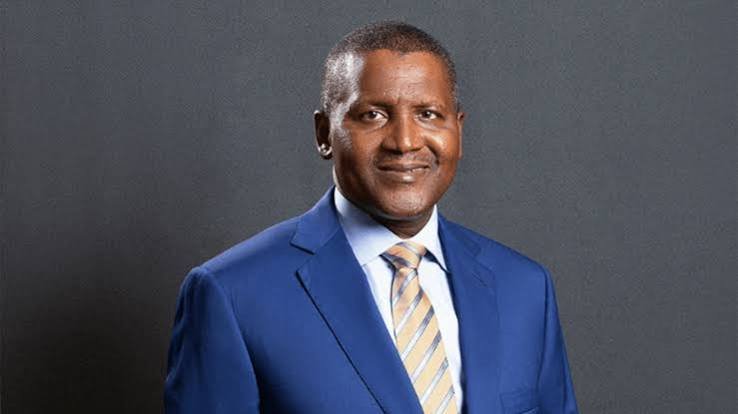
Africa’s richest man and President of Dangote Group, Aliko Dangote, has announced plans to invest more than $10bn in the power sector over the next three to four years, saying reliable electricity is critical to industrialisation and economic growth across the continent.
Dangote disclosed the plan in an interview with Al Jazeera, where he said the conglomerate could redirect funds from some planned businesses, including its steel project, towards electricity generation and other power-related investments.
He said the group expected a major transformation in Africa over the next few years and intended to make power a central part of its investment strategy.




“We want to invest over $10bn alone in power,” Dangote said.
The announcement comes against the backdrop of Africa’s huge electricity-access deficit, with about 600 million people in sub-Saharan Africa lacking access to electricity.
Dangote said the scale of the problem required stronger investment from African businesses and governments.
“We Africans should not really allow over 600 million of our people to remain in darkness,” he said.
The businessman linked dependable electricity to job creation, manufacturing and broader economic growth, arguing that Africa would struggle to industrialise without addressing its power deficit.
“Power is key; we will never create growth without power,” he said.
Dangote also identified inconsistent government policies as another factor discouraging investment in Africa.
According to him, frequent policy changes and inadequate electricity supply have made it difficult for businesses to plan and invest for the long term.

He said his group remained willing to invest despite those challenges because industrialisation was necessary to create jobs and reduce Africa’s dependence on imported products.
“One day we will not have money to import what we are consuming. So how can we remain an import continent? It has to change,” he said.
The proposed power investment would expand Dangote Group’s activities beyond its established interests in cement, fertiliser, oil refining and other industries.
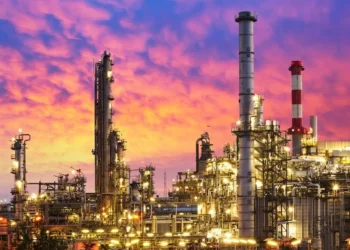
The group’s Dangote Petroleum Refinery has also become a major player in Nigeria’s energy market, with the facility currently operating at about 700,000 barrels per day.
Dangote said some planned ventures could be cancelled or scaled back to provide capital for the power initiative. He specifically mentioned steel as one business that could be affected.
He also rejected criticism that the group’s expansion amounted to monopoly, arguing that the government had not granted Dangote exclusive rights to operate in any sector.
According to him, other investors have the opportunity to enter sectors where Dangote businesses operate, but many have been unwilling or unprepared to commit the required capital.
Beyond electricity, Dangote called for greater processing of African raw materials within the continent.
He said Africa should add value to commodities such as cocoa before exporting them, allowing more economic benefits to remain within African economies.
The proposed investment comes as governments and development institutions seek to mobilise large-scale private capital for electricity access.
The World Bank and African Development Bank’s Mission 300 initiative aims to connect 300 million Africans to electricity by 2030, underscoring the scale of investment required to close the continent’s energy gap.
Dangote said his broader objective was to expand industrial capacity, create employment and encourage more Africans to invest in businesses on the continent.
He acknowledged that criticism of his businesses would continue but said the group would remain focused on its long-term industrial ambitions.
“The distraction will continue. But we have what you call a very thick skin,” he said.