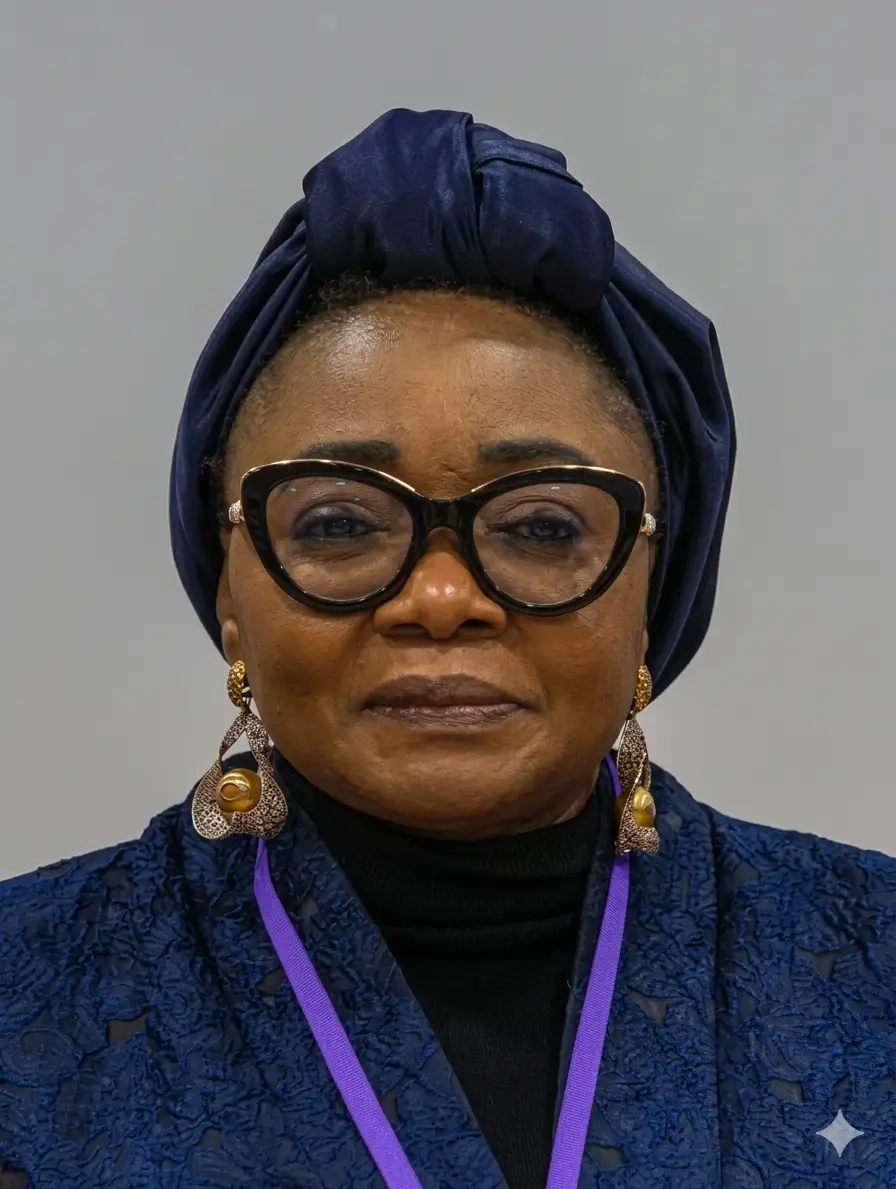
The Federal Government has called for a coordinated national response to tackle conflict-related sexual violence, warning that the crime remains one of the most devastating consequences of insecurity, terrorism, violent extremism and armed conflict.
Minister of Women Affairs and Social Development, Imaan Sulaiman-Ibrahim, made the call on Saturday while commemorating the International Day for the Elimination of Sexual Violence in Conflict.
In a statement issued in Abuja, the minister urged Nigerians to adopt a whole-of-society approach to ending the menace, stressing that prevention, protection and accountability must remain central to national security and development efforts.




According to her, sexual violence linked to conflict leaves lasting physical, emotional and psychological scars on victims while undermining families, weakening communities and complicating recovery efforts in areas affected by violence.
“Conflict-related sexual violence remains one of the gravest consequences of insecurity, terrorism, violent extremism and armed conflict,” she said.
Sulaiman-Ibrahim noted that women and girls continue to bear the heaviest burden of such crimes, although men and boys are also affected and often face stigma and barriers in accessing support services.

She described sexual violence in conflict situations as more than a humanitarian concern, saying it poses a direct threat to national security, social cohesion and sustainable development.
The minister called on security agencies, judicial institutions, healthcare providers, schools and social welfare organisations to strengthen collaboration in preventing abuse and ensuring swift responses when incidents occur.
She also appealed to traditional and religious leaders to play active roles in promoting peace, dignity and mutual respect within communities, while helping to protect vulnerable populations from violence and exploitation.
“Strong families remain the first line of defence against violence, abuse, exploitation and radicalisation,” she said, urging parents and caregivers to instill values of empathy, respect and peaceful coexistence.
The minister further challenged community-based organisations, civil society groups and development partners to expand awareness campaigns and survivor-support programmes across the country.
Recognising the influence of media and entertainment, Sulaiman-Ibrahim urged filmmakers, musicians, broadcasters, content creators and social media influencers to use their platforms to challenge harmful norms and promote positive social values.
She said creative industry stakeholders possess significant power to shape public attitudes, raise awareness and inspire behavioural change capable of reducing violence and discrimination.
The minister reaffirmed the Federal Government’s commitment to supporting survivors through access to justice, healthcare, psychosocial support and rehabilitation services.
She also advocated increased investment in shelters, Sexual Assault Referral Centres, legal aid programmes, research initiatives and institutional coordination mechanisms aimed at strengthening survivor protection nationwide.
Sulaiman-Ibrahim urged Nigerians to stand with survivors and remain vigilant by reporting cases of abuse, trafficking, exploitation and violence, insisting that collective action remains essential to building safer and more inclusive communities.