
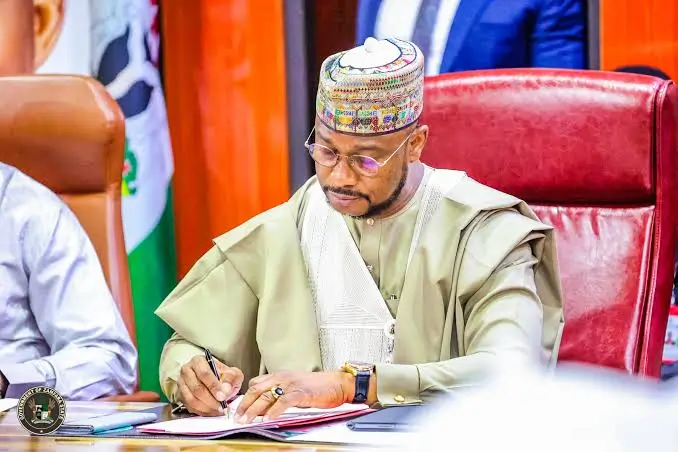
Zamfara State Governor Dauda Lawal has revealed that he refused to pay a ₦300 million ransom when his brothers were kidnapped in 2019, saying he was determined not to encourage the growing culture of ransom payments despite the personal risk involved.
Speaking on Thursday at the ARISE News and THISDAY Town Hall Conference in Abuja, the governor said he took what he described as a principled decision against negotiating with kidnappers after they demanded ₦300 million for his brothers’ release.
According to Lawal, his brothers were eventually freed after spending about three months in captivity without any ransom being paid.
READ ALSO




He argued that paying ransom only strengthens criminal groups and fuels more kidnappings across the country.
Governor Lawal maintained that he would never negotiate with kidnappers or pay ransom under any circumstance.
Lawal made the remarks while advocating the establishment of state police, insisting that governors should have operational control over security agencies if they are to be held accountable for protecting lives and property.
He lamented that governors are often referred to as chief security officers of their states but lack the constitutional authority to direct security agencies operating within their jurisdictions.
The governor also argued that the Nigeria Police Force faces challenges including inadequate funding, poor welfare and insufficient training, which he said affect operational effectiveness.
Highlighting efforts by his administration, Lawal disclosed that Zamfara currently funds more than 30 per cent of security operations in the state.
He said the state government has procured more than 500 operational vehicles for security agencies over the past three years and recently supplied 35 Armoured Personnel Carriers and Mine-Resistant Ambush Protected vehicles to strengthen security operations.
The governor also said Zamfara has invested in surveillance and attack drones to support intelligence gathering and ongoing operations against bandits.
His remarks come amid renewed national conversations on state police and broader security reforms aimed at tackling kidnapping, banditry and violent crime.