



Plans by Nigeria’s opposition parties to present a single presidential candidate against President Bola Tinubu in the 2027 general election appear increasingly uncertain as major political parties and influential figures adopt divergent positions on the proposal.
The disagreement follows the April opposition summit in Ibadan, where party leaders resolved to explore a common platform capable of challenging the ruling All Progressives Congress.
Since then, however, several of the leaders who attended the meeting have secured presidential or vice-presidential tickets on different party platforms following the conclusion of party primaries.



Former Vice-President Atiku Abubakar and Rotimi Amaechi emerged as the presidential and vice-presidential candidates of the African Democratic Congress, while Governor Seyi Makinde clinched the presidential ticket of the Allied People’s Movement.
Peter Obi and Rabiu Kwankwaso also emerged as the presidential and vice-presidential candidates of the Nigeria Democratic Congress.
The Tanimu Turaki-led faction of the Peoples Democratic Party maintained that discussions on a possible consensus candidate remain open, arguing that opposition parties must continue exploring strategies capable of defeating the APC.

Its spokesman, Ini Ememobong, said consultations with other opposition parties were ongoing and that no option had been ruled out.
However, the Nyesom Wike-backed faction rejected any coalition, insisting the PDP would contest the election independently with its own candidates.
Atiku’s camp also acknowledged that although opposition leaders remain committed to working together, each party has already produced its candidates in line with the Electoral Act.
The Labour Party, Accord, the Nigeria Democratic Congress and a faction of the African Democratic Congress also distanced themselves from reports suggesting they had agreed to field a single presidential candidate.
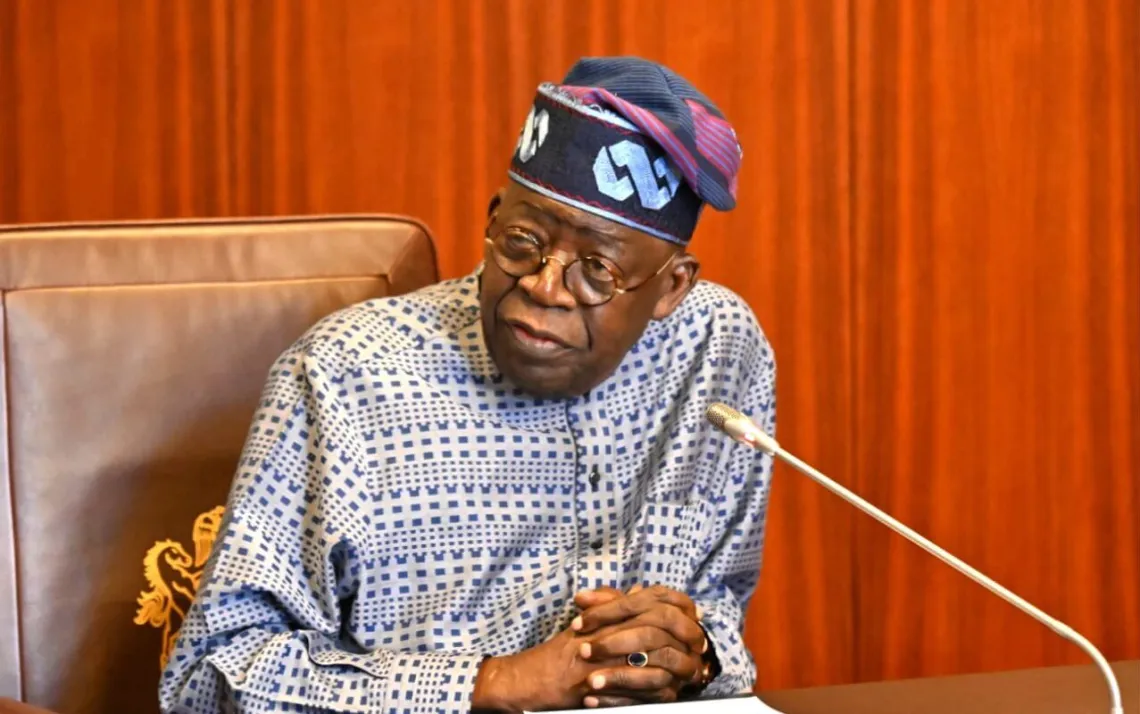
Reacting, APC Director of Publicity Bala Ibrahim dismissed the opposition’s strategy, expressing confidence that President Tinubu would secure re-election regardless of whether opposition parties contest separately or unite behind one candidate.
He argued that the administration’s reforms were beginning to produce results and that Nigerians were increasingly recognising their long-term benefits.
The differing positions underscore the challenges facing opposition parties as they seek to build a united political front ahead of what is expected to be a fiercely contested 2027 presidential election.