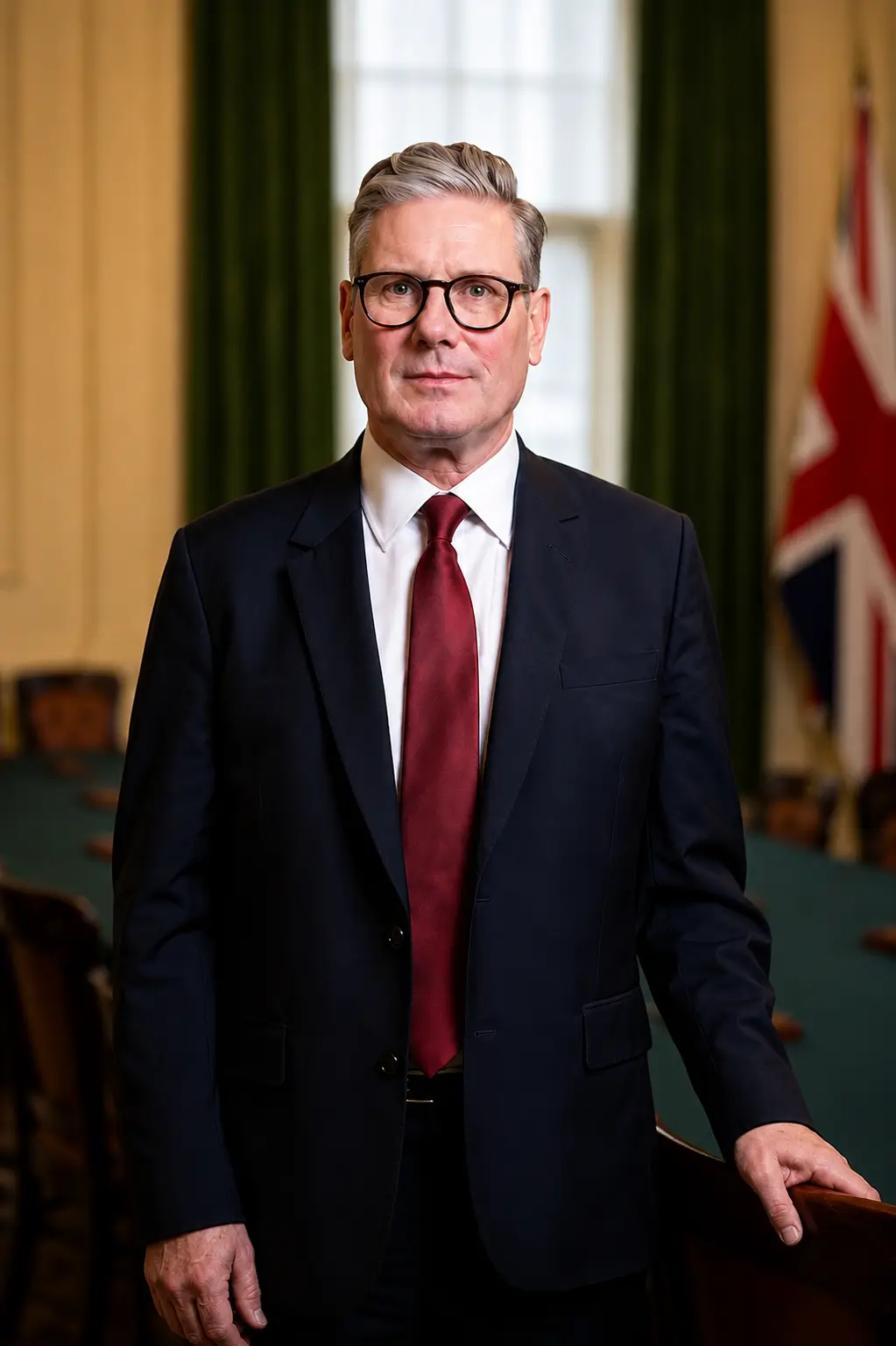
British Prime Minister Keir Starmer has announced his resignation after weeks of mounting pressure from within the governing Labour Party, triggering a leadership contest that could pave the way for rival Andy Burnham to take over Britain’s top political office.
Starmer’s departure comes less than two years after he led Labour to a historic general election victory in 2024, ending more than a decade of Conservative rule. However, a string of political setbacks, internal divisions and declining public support steadily weakened his grip on power.
In a statement on Monday, Starmer confirmed he would remain in office until a successor is chosen, with the Labour leadership contest expected to begin in July and conclude before Parliament returns from its summer recess in September.




The resignation follows a decisive by-election victory by Burnham in the Makerfield constituency, a result widely viewed as the catalyst for the latest wave of pressure on the prime minister. Burnham, who has served as Greater Manchester mayor since 2017, returned to Parliament after winning the seat last week and is now regarded as the leading contender to replace Starmer.
Labour insiders say support for Burnham grew rapidly after Labour suffered major setbacks in local and regional elections across England, Scotland and Wales earlier this year. Several ministers and dozens of MPs publicly questioned Starmer’s leadership following the defeats.
Reports from British media indicated that senior cabinet figures, including Foreign Secretary Yvette Cooper, had urged Starmer to step aside in order to prevent further damage to Labour’s electoral prospects.

Business Secretary Peter Kyle had earlier acknowledged that Starmer was reflecting on the political realities facing his government after holding discussions with party figures and allies.
The crisis deepened after months of criticism over policy reversals, cabinet resignations and controversies surrounding key appointments. One issue that repeatedly resurfaced involved the appointment of Peter Mandelson as Britain’s ambassador to Washington, a decision that drew significant backlash and intensified scrutiny of Starmer’s judgment.
Polling also painted a bleak picture for the prime minister. Surveys showed his approval ratings had fallen sharply, while Burnham increasingly emerged as Labour’s most popular national figure.
Burnham has positioned himself as the candidate capable of rebuilding Labour’s fortunes ahead of the next general election. In his by-election victory speech, he warned that Labour had a “final chance to change” course and reconnect with voters who have drifted away from the party.
The leadership transition now opens a new chapter in British politics. If Burnham succeeds, Britain will witness yet another change at the top of government, continuing a period of political volatility that has seen multiple prime ministers come and go since the Brexit era.
Analysts say the coming weeks will be closely watched by investors, opposition parties and Labour members eager to determine whether a new leader can restore stability and public confidence.