



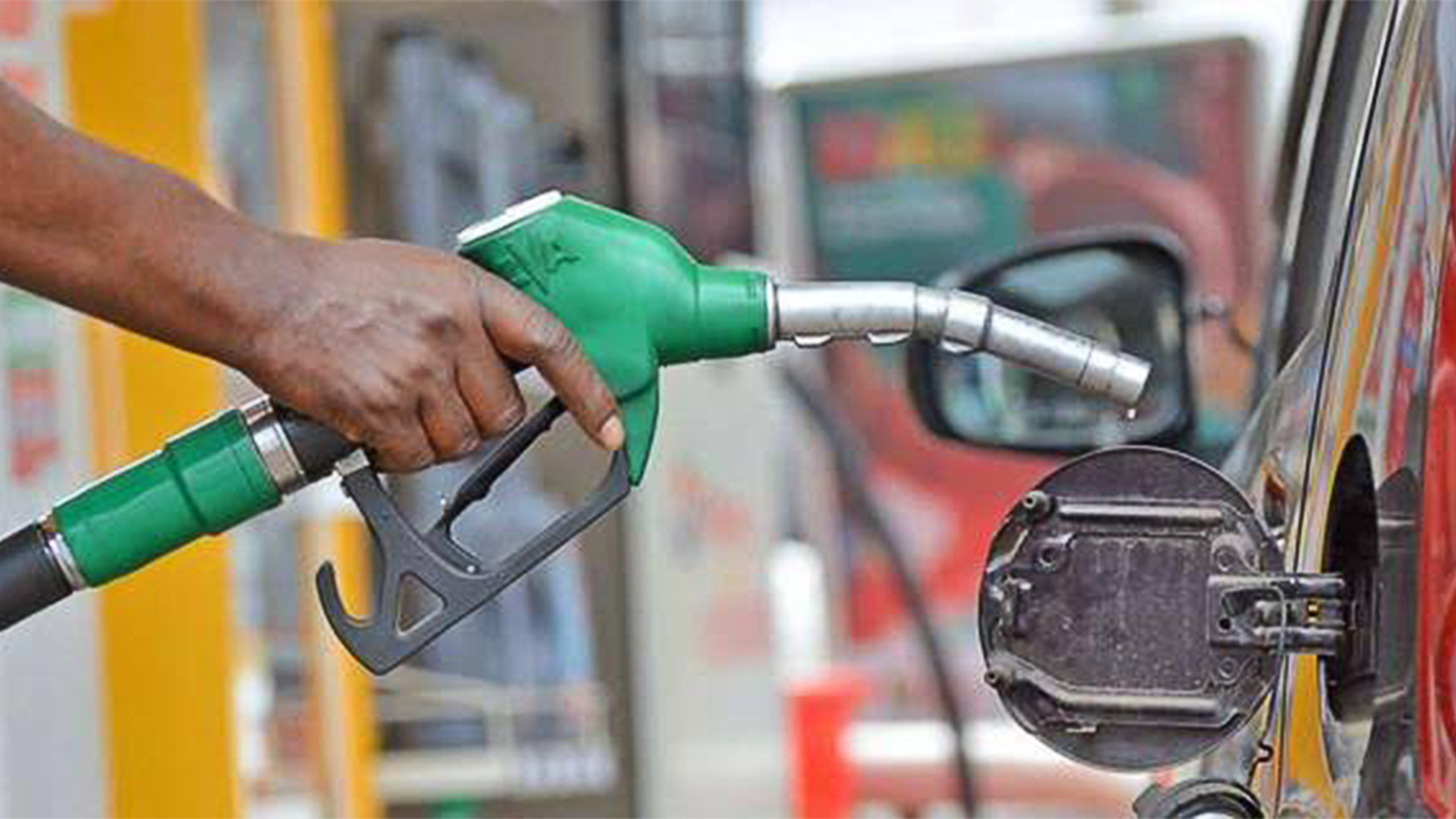
Nigeria’s petrol imports surged by 207 per cent in June 2026 as domestic Premium Motor Spirit (PMS) supply dropped sharply despite increased crude oil deliveries to local refineries, according to the latest figures released by the Nigerian Midstream and Downstream Petroleum Regulatory Authority.
The regulator’s June fact sheet showed that average daily petrol imports rose from 5.9 million litres in May to 18.1 million litres in June, while domestic PMS receipts declined from 41.5 million litres to 32.5 million litres per day.
Despite the drop in local supply, total petrol receipts increased from 47.4 million litres to 50.6 million litres daily, largely because of higher import volumes.





The figures mark a significant shift from the pattern recorded earlier in the year, when domestic refining supplied the bulk of Nigeria’s petrol requirements.
The report also showed that domestic refineries received more crude oil during the month, with average daily crude deliveries increasing from 578,000 barrels to 632,000 barrels. However, the higher crude supply did not translate into increased domestic petrol availability.
Nigeria’s average daily petrol consumption edged up from 46.3 million litres to 47.4 million litres, while petrol stock sufficiency improved from 16.2 days to 19.7 days, indicating stronger inventory levels.
Beyond petrol, the report revealed that cooking gas imports jumped by 1,400 per cent, helping offset weaker domestic LPG supply.
Diesel supply declined but remained entirely domestically produced, while aviation fuel receipts also fell during the period. Domestic natural gas supply recorded a modest increase.
The latest figures highlight the evolving structure of Nigeria’s downstream petroleum market, where domestic refining remains central to supply but imports continue to fill temporary shortfalls whenever local production weakens.