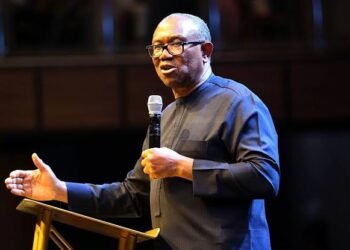




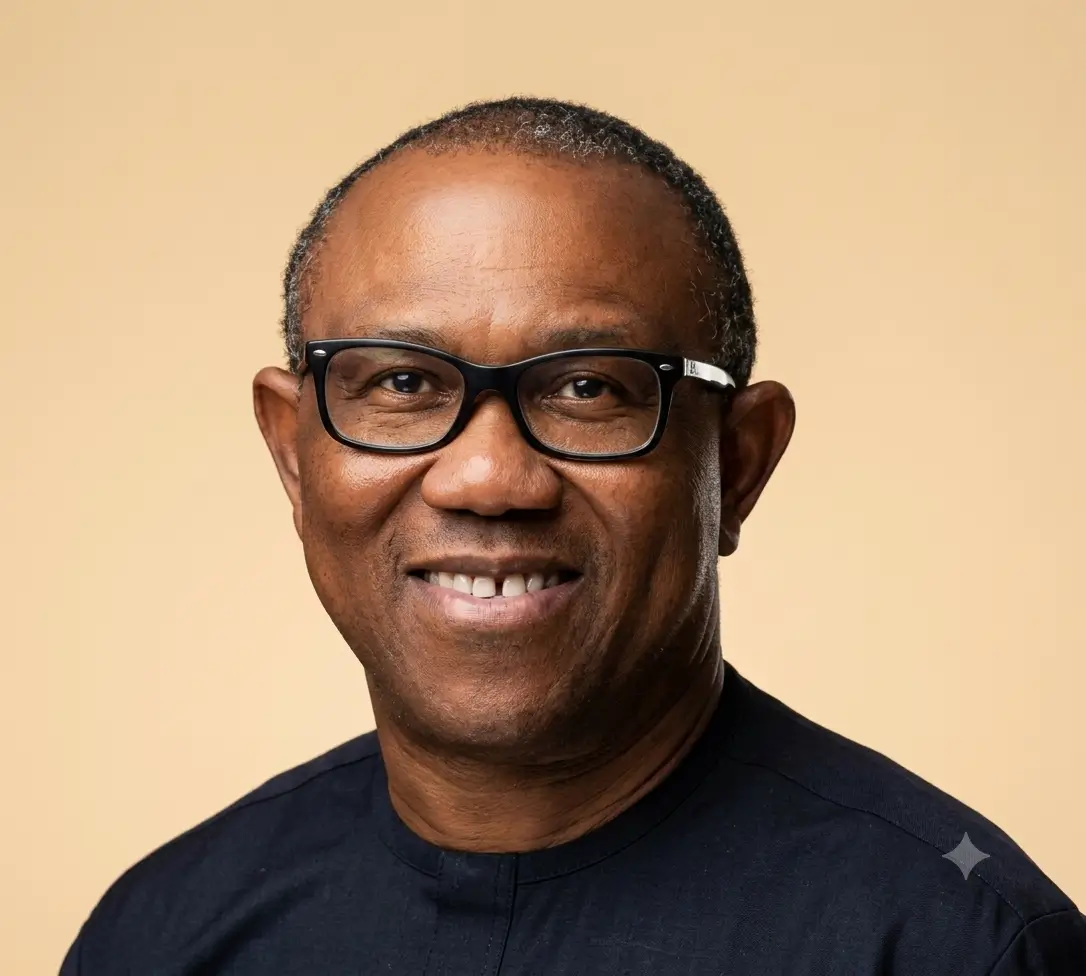
Former Anambra State governor and presidential hopeful, Peter Obi, has cautioned Nigerians against the growing trend of associating criminal activities with entire ethnic groups, warning that such narratives threaten national unity and deepen divisions across the country.
In a statement shared via his verified X account on Monday, Obi said criminality should never be linked to ethnicity, stressing that individuals who commit crimes must bear responsibility for their actions rather than entire communities.
The former presidential candidate said many Nigerians have experienced prejudice because of their ethnic origins, adding that stereotyping remains one of the country’s most persistent social challenges.



“As an Igbo man, I have endured stereotypes, judgment, and labelling solely based on my ethnic origins,” Obi said.
“This is not an isolated Igbo experience. Most Nigerians have, at some point, been reduced to their ethnicity rather than recognised for their true character.”
Obi specifically referenced the experiences of ordinary Fulani citizens, many of whom, according to him, have become victims of broad generalisations arising from the activities of criminal groups operating in parts of the country.
He argued that law-abiding citizens should not be subjected to suspicion or discrimination because of the actions of individuals who neither represent nor speak for their communities.
“Crime has no ethnicity. A thief is a thief. A terrorist is a terrorist. A kidnapper is a kidnapper. They are bad actors, not representatives of any people,” he stated.
The remarks come at a time when insecurity, banditry, kidnapping and violent attacks continue to fuel tensions across several regions of Nigeria. Public debates on social media have increasingly featured ethnic narratives, with various groups blaming entire communities for crimes committed by individuals.
Political analysts say such rhetoric has intensified ahead of the 2027 elections, raising concerns about national cohesion and peaceful coexistence.
Obi urged security agencies to focus on identifying, arresting and prosecuting criminals without attaching their actions to ethnic identities.
According to him, collective blame not only fuels hatred but also distracts from the real task of combating insecurity through effective law enforcement and intelligence gathering.
“We must decisively abandon the dangerous practice of blaming entire ethnic groups for the actions of a few criminals. It is unjust, it breeds hatred, and it damages our national unity,” he said.

The former governor also called on Nigerians to celebrate the country’s diversity rather than allow ethnic sentiments to be manipulated for political gain.
Drawing attention to Nigeria’s multicultural identity, he noted that every ethnic group has contributed significantly to the country’s development through entrepreneurship, culture, education and public service.
He concluded by calling for a Nigeria where citizens are judged by their character, actions and contributions rather than their tribe, religion or place of birth.
“A new Nigeria must emerge—one where no citizen is condemned because of tribe, religion, or birthplace. We can cherish our cultural roots while standing united by justice, mutual respect, and hope for a better future.”