



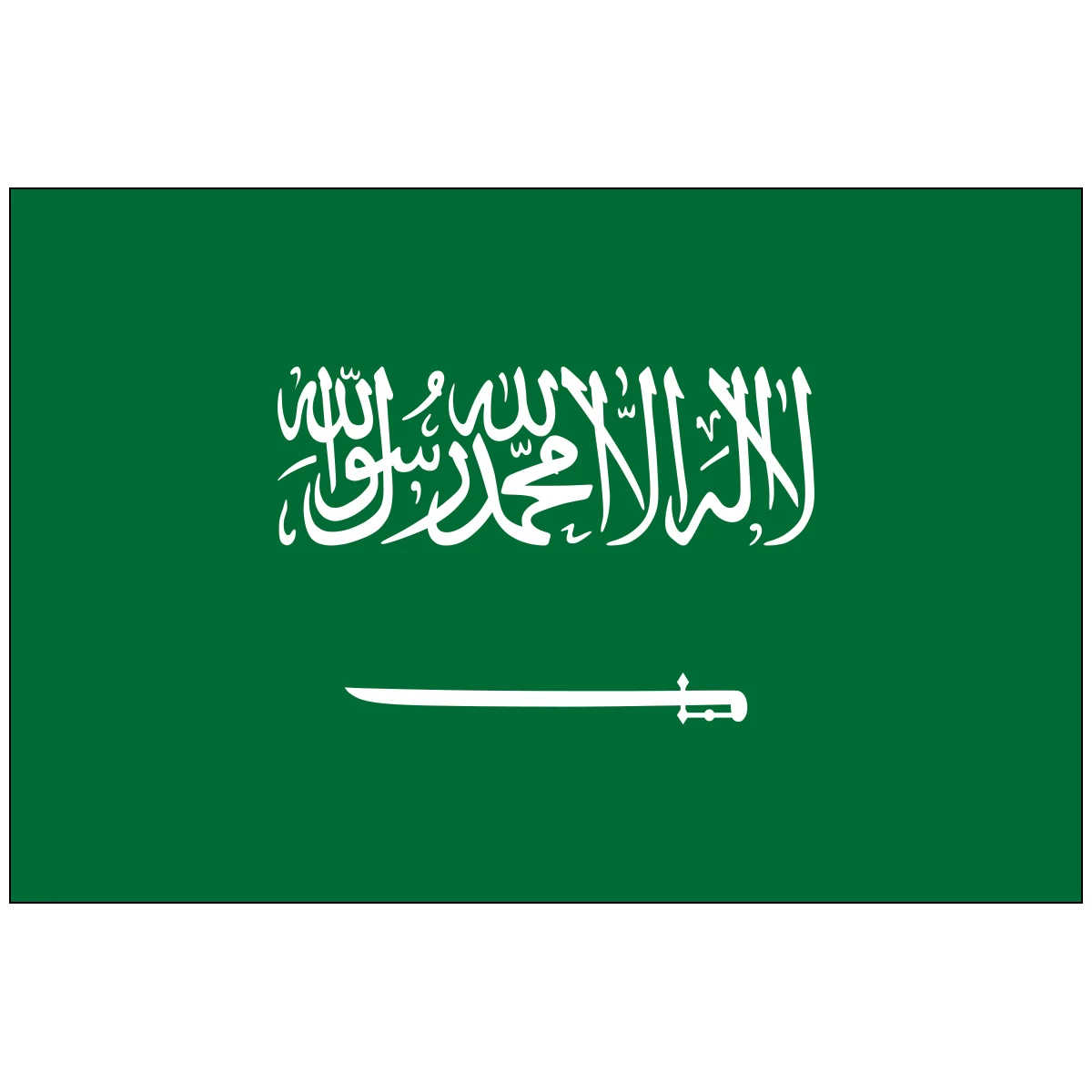
Saudi Arabia has executed five nationals convicted of terrorism-related offences, bringing the number of executions carried out in the kingdom this year to 188, according to an AFP tally based on official announcements.
The executions were announced by the Saudi Ministry of Interior on Saturday, October 17, 2026.
The five men were convicted of joining a foreign terrorist organisation, opening fire on security forces and providing support for what authorities described as terrorist operations within the kingdom.




The executions were carried out in the Eastern Province, a region that is home to a large proportion of Saudi Arabia’s Shia Muslim minority. Members of the community have long raised concerns about discrimination and marginalisation in the Sunni-majority country.

Terrorism-related executions
According to AFP, 15 people have been executed in Saudi Arabia this year following terrorism convictions, most of them in the Eastern Province. The figure compares with 40 executions for terrorism-related offences reported for the whole of 2025.
The five latest executions form part of a wider pattern of capital punishment in the kingdom.
Amnesty International reported that Saudi Arabia executed at least 356 people in 2025, the highest annual figure the organisation had recorded for the country. Drug-related offences accounted for 240 of those executions, representing approximately 67 per cent of the total.
The rights organisation has repeatedly called on Saudi authorities to halt executions and move towards abolishing the death penalty. The Saudi government, however, maintains that capital punishment is necessary to preserve public order and says executions are carried out after the appeals process has been exhausted.
Eastern Province and minority concerns
The Eastern Province has particular significance in discussions about Saudi Arabia’s Shia population, which has historically reported restrictions and unequal treatment.
The location of the latest executions is likely to draw attention from rights advocates monitoring the kingdom’s use of capital punishment and its treatment of minority communities.
However, the available details of the ministry’s announcement do not independently establish whether the convictions were connected to the defendants’ religious identity or wider political disputes in the region.
Executions amid regional security tensions
The executions come amid renewed security tensions involving Saudi Arabia and Yemen’s Houthi movement.
The Houthis have intensified missile and drone attacks against Saudi targets in recent days, including strikes affecting critical infrastructure. The group has also threatened further attacks on Saudi airports and oil facilities following a strike on the headquarters of state oil company Saudi Aramco in Dhahran.
Saudi Arabia has supported Yemen’s internationally recognised government in its prolonged conflict with the Iran-aligned Houthis. The latest attacks have added to regional security concerns as the kingdom faces pressure to protect strategic facilities and infrastructure.
The timing of the executions does not, by itself, establish a direct connection between the death sentences and the current security situation.
Saudi Arabia among leading executioners
Saudi Arabia remains one of the countries carrying out the highest numbers of executions globally.
Amnesty International’s 2025 review recorded at least 2,707 executions worldwide across 17 countries, excluding thousands believed to have been carried out in China, where reliable figures are unavailable. Saudi Arabia accounted for at least 356 of the recorded executions.
The latest executions bring the kingdom’s reported total for 2026 to 188, according to AFP’s count of official statements. The figure is a running tally and may differ from totals compiled by rights organisations using their own verification methods.