



Six Nigerian governors have pledged to apply lessons from the Glo-Djigbé Industrial Zone in the Republic of Benin to revive Nigeria’s textile industry, strengthen domestic manufacturing and promote agro-industrial development.
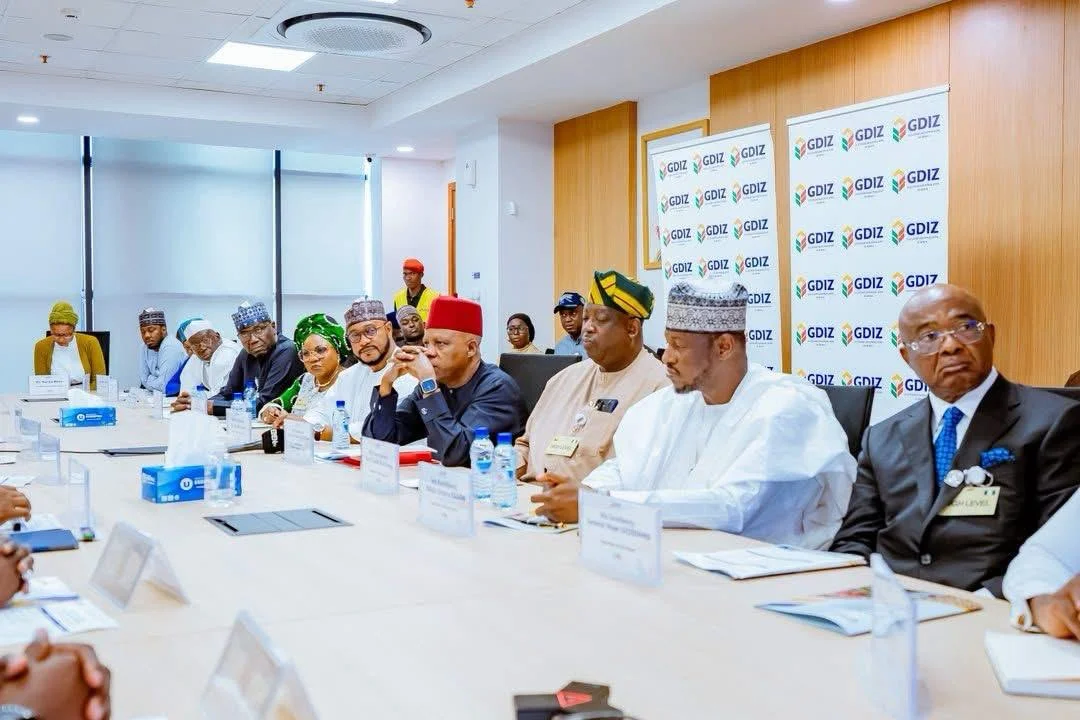
The commitment followed an inspection tour of the integrated industrial zone near Cotonou led by Vice President Kashim Shettima as part of the Federal Government’s efforts to establish Special Agro-Industrial Processing Zones across the country.
The delegation included Imo State Governor Hope Uzodimma, Zamfara Governor Dauda Lawal, Plateau Governor Caleb Mutfwang, Kwara Governor AbdulRahman AbdulRazaq, Katsina Governor Dikko Radda and Jigawa Governor Umar Namadi.



The governors said the Benin model demonstrated how government policies, reliable infrastructure and private-sector investment could transform agricultural commodities into finished products, generate employment and reduce exports of raw materials.
AbdulRazaq, who also chairs the Nigeria Governors’ Forum, said the visit was designed to help Nigerian states learn from successful industrialisation models in Africa and avoid costly mistakes.
He noted that the delegation examined cotton, cashew and soybean value chains and expressed confidence that similar projects could succeed in Nigeria with adequate infrastructure and policy support.
Namadi said the experience would support Jigawa’s efforts to industrialise its agricultural sector and create sustainable jobs for young people through value addition.
Lawal recalled Zamfara’s once-thriving textile industry, saying the visit had strengthened his determination to restore cotton production and textile manufacturing in the state.
Uzodimma urged African countries to deepen peer learning and develop industries around their comparative advantages, while Radda said the model could be replicated in major cotton-producing states such as Katsina.
Mutfwang described the industrial zone as proof that political will, strategic planning and effective leadership are essential to successful industrialisation.
The governors expressed optimism that adopting similar models would help Nigeria expand local manufacturing, strengthen agricultural value chains and contribute to the Federal Government’s industrialisation agenda.