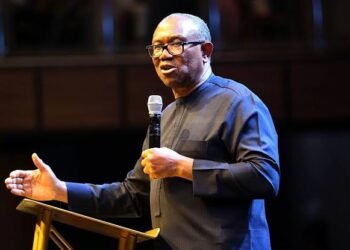




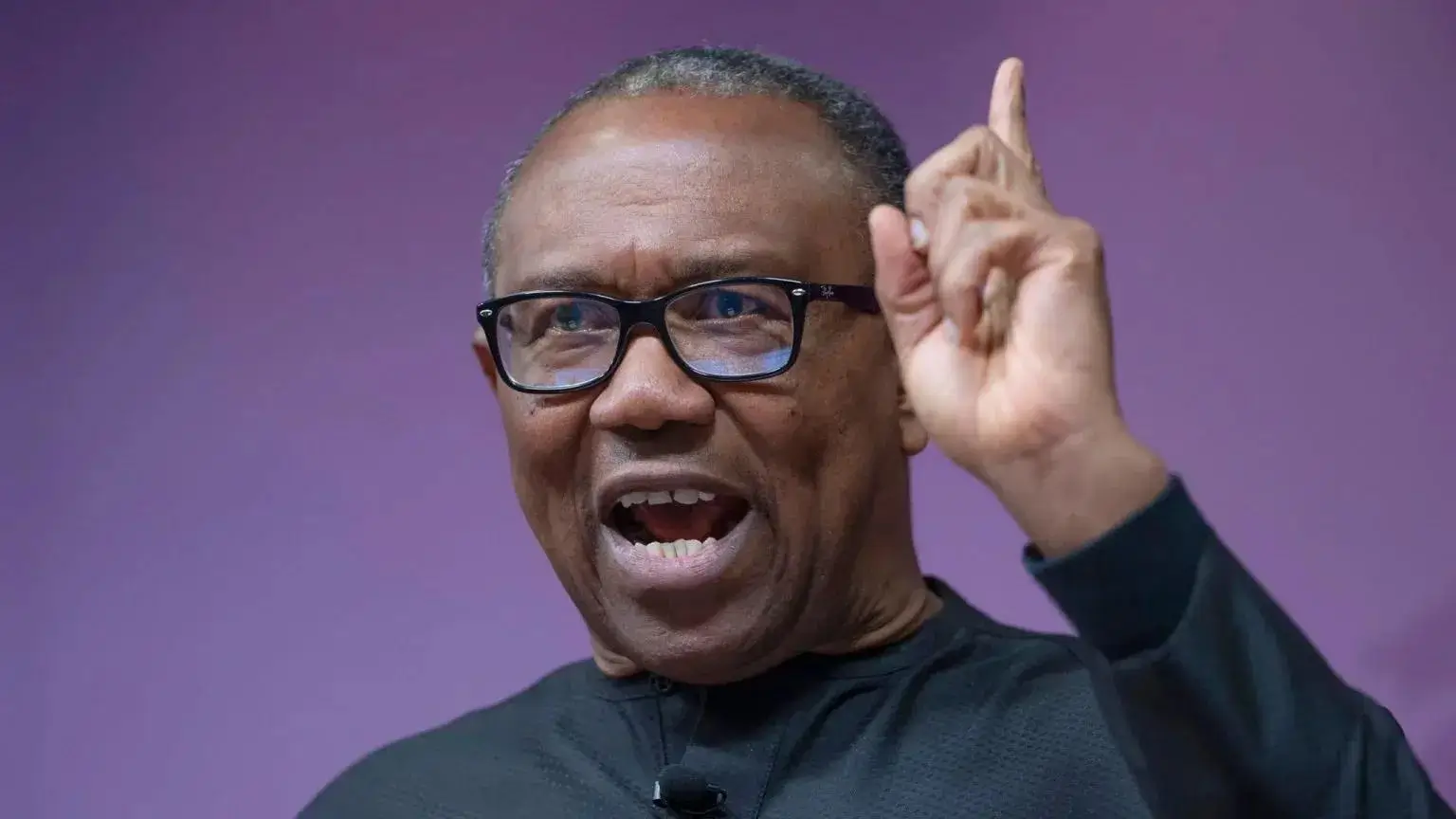
Former Labour Party presidential candidate, Peter Obi, has criticised the recent directive issued by the National Broadcasting Commission (NBC), warning that it could signal a growing threat to press freedom and democratic accountability in Nigeria.
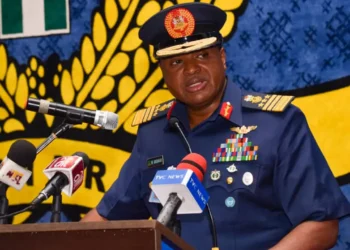
The NBC had earlier cautioned broadcast stations across the country against ethical violations, including bullying guests, denying fair hearing, and presenting personal opinions as facts, citing a rise in breaches of the Nigeria Broadcasting Code in political and current affairs programmes.
But reacting in a strongly worded statement shared via his verified social media platform, Obi described the timing and tone of the directive as “very troubling,” particularly as Nigeria approaches another electoral cycle.


“Yesterday’s advocates of democracy, today’s oppressors of the press — Nigeria is drifting dangerously,” he wrote, warning that actions perceived as restrictive could erode public trust in democratic institutions.
Peter Obi argued that while professionalism in broadcasting is necessary, regulatory measures must not be used as tools to suppress dissenting voices or critical journalism.
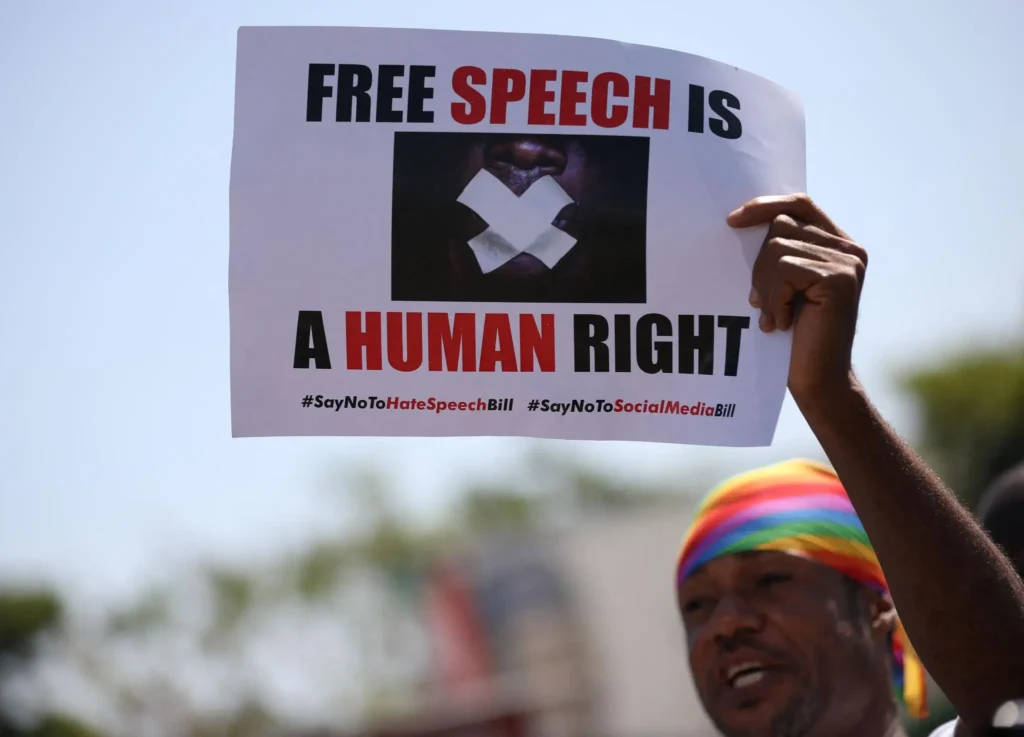
“A free and responsible media should not be an enemy to any administration,” he said. “Attempting to stifle voices, moderate opinions, or intimidate journalists under the guise of regulation only weakens our already fragile democracy.”
He stressed that institutions exist to serve the public interest rather than the government of the day, adding that democratic consolidation depends on transparency and accountability.
The NBC has maintained that broadcasters must uphold fairness and balance, especially as political activities intensify ahead of the 2027 general elections. It also warned that stations remain responsible for all content aired, including live programmes, and could face penalties for violations involving hate speech or misinformation.
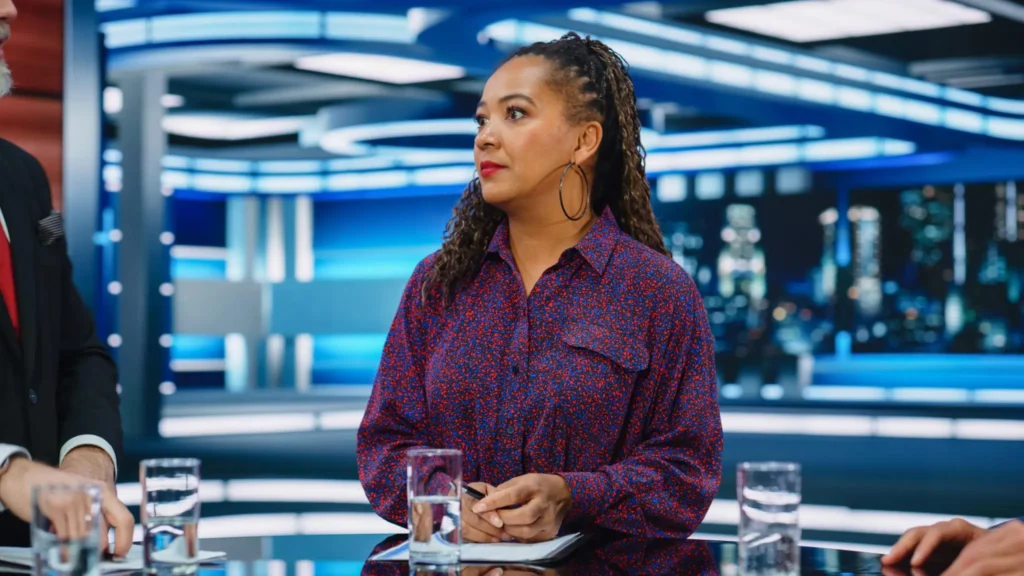
However, peter Obi cautioned that stricter regulation at a politically sensitive period could be interpreted as an attempt to control public discourse.
“At a time when insecurity is on the rise, young Nigerians are losing faith in the country, and the economy continues to fail the average citizen, our focus should not be on controlling media narratives, but on delivering results,” he said.
He also expressed solidarity with media organisations, describing them as critical pillars of democracy and national conscience.
Observers say the development reflects ongoing tension between regulatory oversight and freedom of expression in Nigeria’s evolving political space, especially as preparations for the next general elections gather momentum.