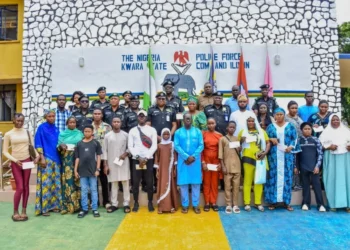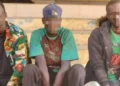




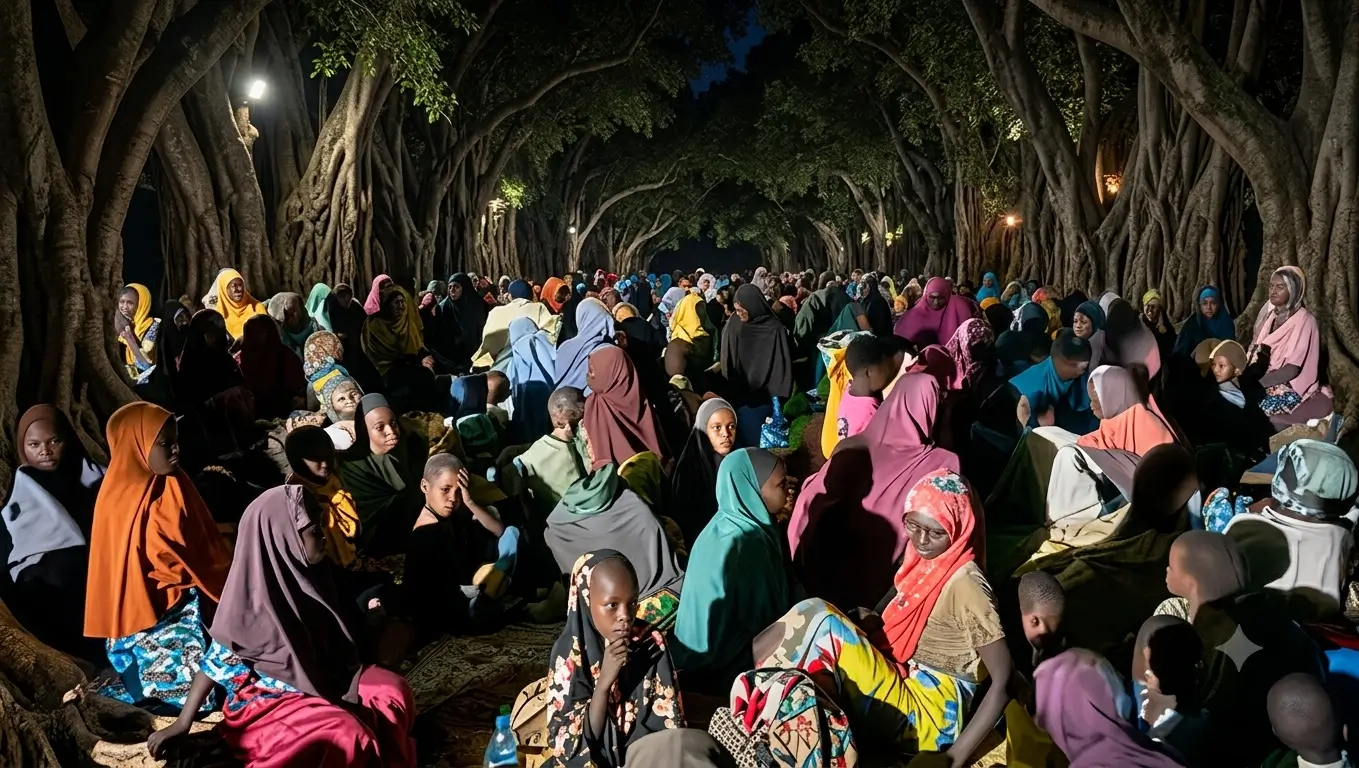
Hundreds of residents of Ngoshe community in Gwoza Local Government Area of Borno State have regained their freedom after spending months in Boko Haram captivity, bringing relief to families and communities that had endured uncertainty since the mass abduction earlier this year.
The release of 416 captives, largely women and children, is one of the biggest reported civilian releases linked to the insurgency in recent months and has renewed attention on security and humanitarian challenges in Nigeria’s North-East.
President of the Borno South Youth Alliance, Samaila Kaigama, confirmed on Sunday that all the abducted victims were released on Saturday.



“BOSYA has secured the release of all the Ngoshe 416 women and children. They were released on the 6th of June,” he said.
Kaigama expressed gratitude over the development and said sustained advocacy and engagement contributed to the successful outcome.
The captives were abducted during violent attacks that affected Ngoshe earlier this year, leaving many families devastated and uncertain about the fate of their loved ones.
Although details surrounding the release remain unclear, local sources said the freed residents include women, children and other community members who spent months in captivity.
Authorities are yet to provide full details on the circumstances surrounding their release.

Kaigama urged the Federal Government, Borno State Government and local authorities to ensure proper screening, documentation and support for the released victims.
Experts say many of the returnees may require medical attention, trauma counselling and rehabilitation to aid their reintegration into society.
Ngoshe, located near Nigeria’s border with Cameroon, has remained one of the communities most affected by insurgent violence in Borno State.
Despite sustained military operations in the region, communities continue to face periodic attacks and abductions.
The return of the 416 captives has sparked celebrations across Ngoshe and neighbouring communities, offering hope to families who had feared the worst.