
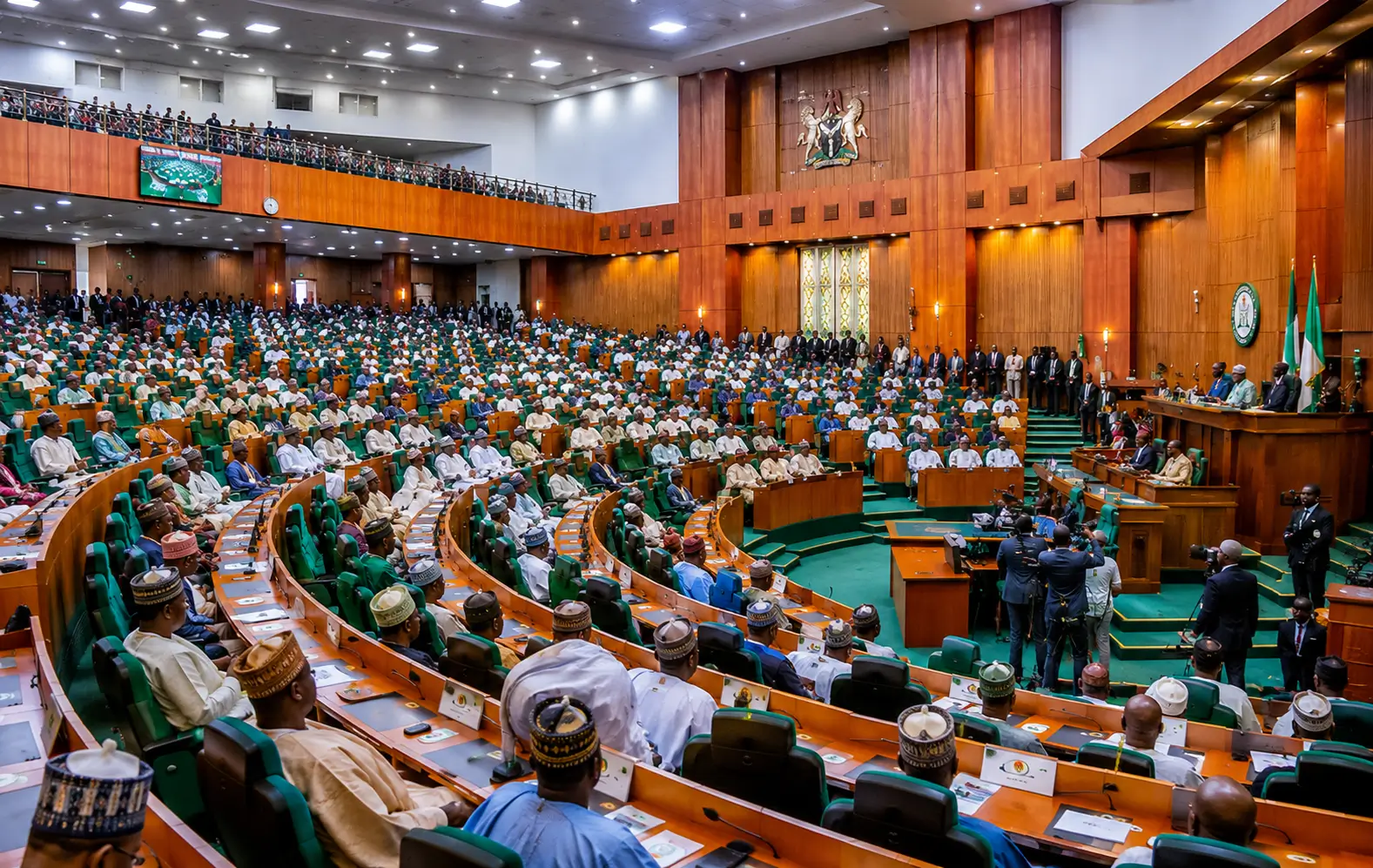
The House of Representatives on Thursday recorded a major milestone in Nigeria’s long-running debate on security sector reform after overwhelmingly approving a constitutional amendment bill seeking the establishment of state police across the federation.
The proposal, which forms part of the ongoing Constitution Review process, received overwhelming support from lawmakers during plenary presided over by Speaker Tajudeen Abbas.
The development comes against the backdrop of growing calls for the decentralisation of Nigeria’s policing structure as insecurity continues to affect several parts of the country, with incidents of terrorism, banditry, kidnapping and communal violence stretching security agencies.
READ ALSO





The bill, listed as HB 617, seeks to amend relevant sections of the Constitution to allow states establish and manage their own police formations while working alongside federal security institutions.
Proceedings were not without controversy.
Shortly before debate commenced, Kaduna lawmaker Bashir Zubairu raised a point of order, arguing that members had only received copies of the Constitution Review Committee’s report on the state police proposal shortly before plenary.
“Mr Speaker, this document was only made available to lawmakers in the chambers, and we are yet to go through it. We cannot do justice to it because we have not gone through it,” Zubairu said.
His objection was overruled by the Speaker, who directed proceedings to continue.
As deliberations progressed, Abbas announced that the electronic voting system was not functioning, forcing lawmakers to adopt a manual voting process.
Presenting the proposal, Deputy Speaker Benjamin Kalu described state policing as one of the most significant security reforms currently before the National Assembly.
According to Kalu, the existing centralised policing framework has struggled to effectively respond to Nigeria’s complex security challenges due to operational limitations and distance between decision-making centres and local communities.
He argued that state police would improve intelligence gathering, response times and community engagement because officers would possess better knowledge of local languages, terrain and social dynamics.
Kalu urged lawmakers to support what he described as a historic reform capable of strengthening internal security and complementing existing federal efforts.
Following deliberations, the Speaker ruled that the bill would be considered through its long title before members proceeded to vote.
A manual count showed overwhelming support for the proposal, with 289 lawmakers voting in favour.
The passage marks another important stage in the constitutional amendment process. However, the proposal must still secure approval from the Senate and endorsement from at least two-thirds of state Houses of Assembly before becoming law.
State police remains one of the most debated governance issues in Nigeria. Supporters argue that decentralised policing will improve security and accountability, while critics fear it could be abused by state governments for political purposes.
Several governors, traditional rulers, security experts and policy groups have repeatedly advocated the reform, insisting that Nigeria’s growing security challenges require a more localised approach to law enforcement.
Following the vote, the House adjourned plenary until July 7, giving lawmakers time to review other constitutional amendment proposals.