



The Federal Government has declared Friday, June 12, 2026, a public holiday to commemorate this year’s Democracy Day, reaffirming its commitment to democratic governance and the preservation of Nigeria’s constitutional institutions.
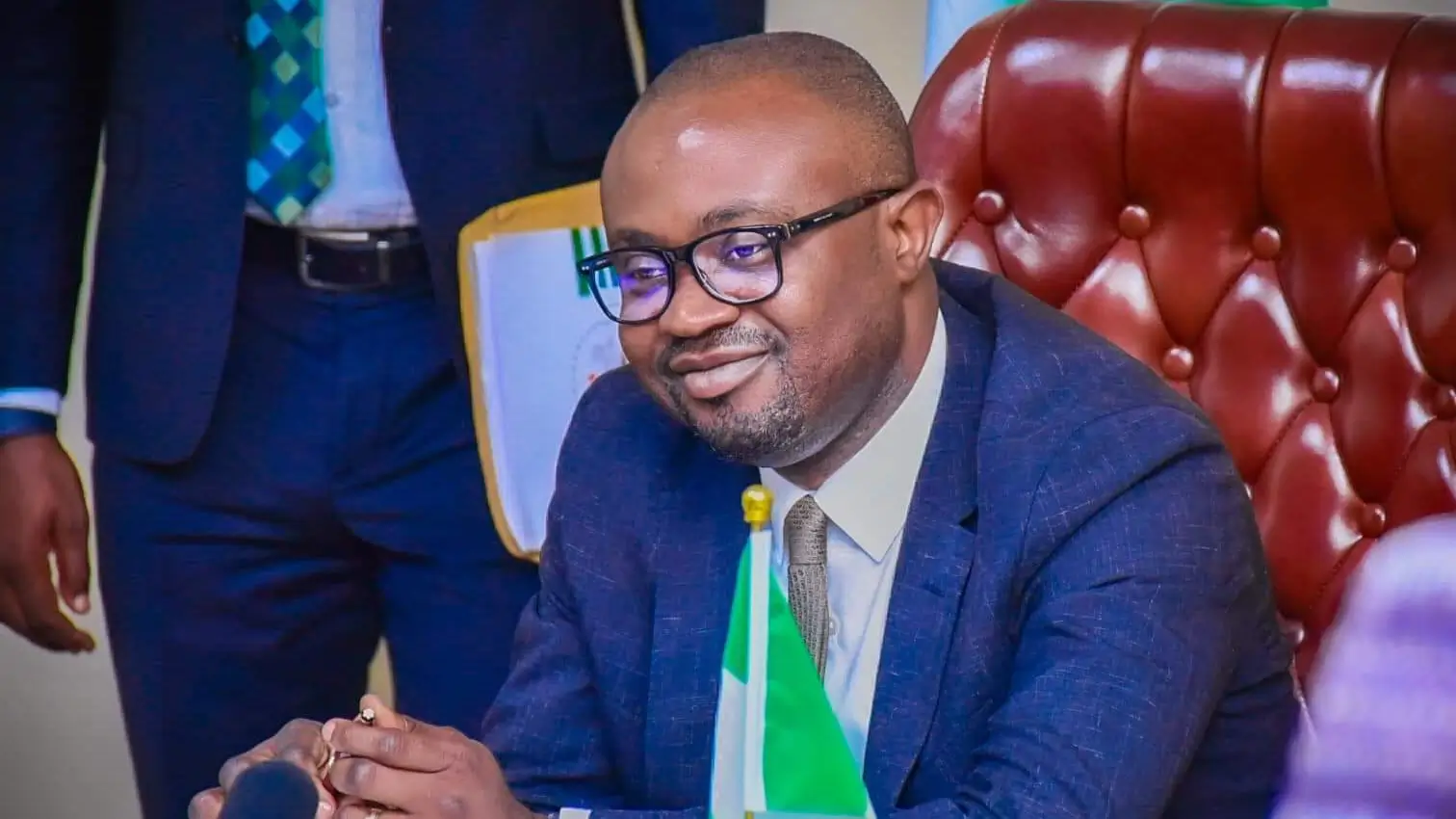
The announcement was made by the Minister of Interior, Dr. Olubunmi Tunji-Ojo, through a statement issued by the Permanent Secretary of the Ministry of Interior, Magdalene Ajani, on Thursday.
According to the minister, June 12 remains one of the most significant dates in Nigeria’s political history because it symbolises the struggle, sacrifice and resilience of Nigerians who fought for the restoration and sustenance of democratic rule.



“June 12 remains a significant day in Nigeria’s history in honour of the courage, resilience and sacrifices of Nigerians whose efforts made democratic governance possible in this country. Their legacy continues to inform the values and responsibilities of the Nigerian state,” Tunji-Ojo stated.
The minister said the administration remains committed to strengthening democratic institutions and upholding principles such as the rule of law, transparency, accountability and inclusive governance.
He stressed that democratic stability can only thrive when institutions are respected and citizens actively participate in nation-building.

Tunji-Ojo also assured Nigerians that the Ministry of Interior, working alongside security agencies, would continue to improve internal security across the country to protect lives and property.
According to him, ensuring a secure environment remains critical to democratic growth, economic development and social stability.
“As we mark this historic day, every Nigerian is encouraged to remain law-abiding, uphold the institutions that sustain our democracy, and remember that the strength of any democracy lies ultimately in the character of its citizens,” the minister added.
He urged citizens to use the occasion to reflect on Nigeria’s democratic journey and recommit themselves to national unity, civic responsibility and peaceful coexistence.
The annual observance of Democracy Day honours the late Chief Moshood Kashimawo Olawale (MKO) Abiola, widely regarded as the winner of the June 12, 1993 presidential election, an election many observers continue to describe as the freest and fairest in Nigeria’s history.
For years, June 12 remained a powerful symbol of democratic resistance following the annulment of the election by the military government. In 2018, the Federal Government officially moved Democracy Day celebrations from May 29 to June 12 in recognition of the significance of the 1993 poll and the sacrifices made by pro-democracy activists.
Political analysts say the annual celebration serves as a reminder of the country’s democratic progress since the return to civilian rule in 1999, while also highlighting the need for stronger institutions, electoral reforms and citizen participation.
The declaration of the public holiday is expected to pave the way for commemorative activities across the country, including official ceremonies, public reflections and tributes to individuals who played key roles in Nigeria’s democratic struggle.
As Nigerians prepare to mark Democracy Day 2026, attention is expected to focus on the country’s democratic record, governance reforms, electoral integrity and efforts to deepen public trust in democratic institutions.