



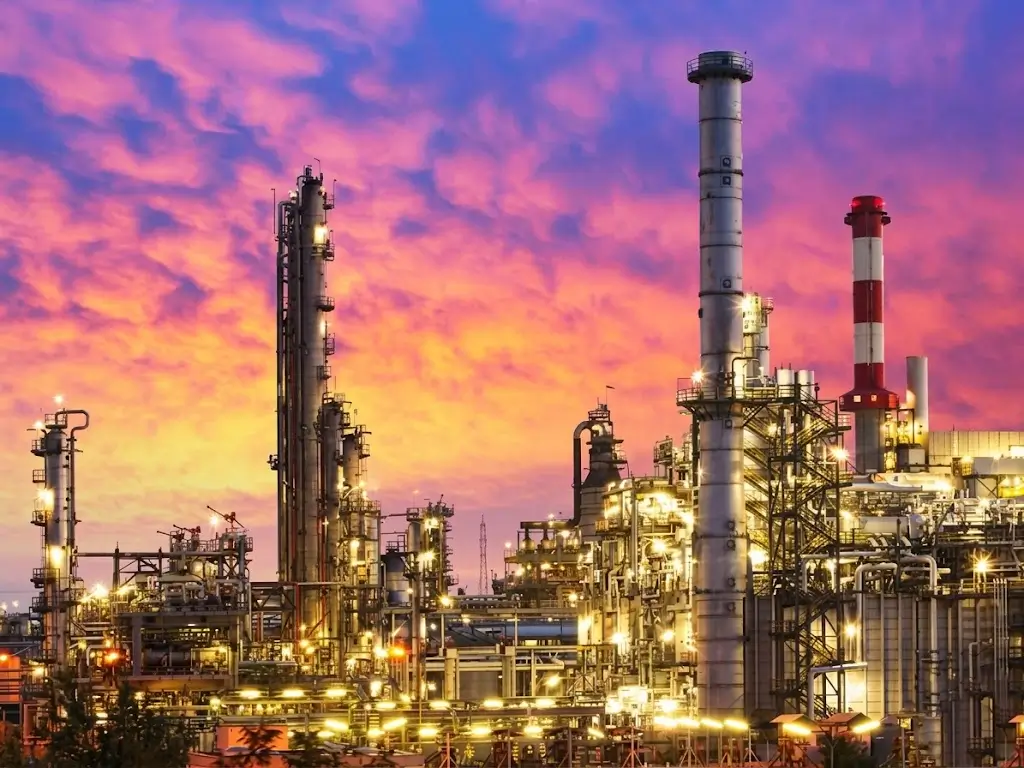
Nigeria’s economy faces renewed inflationary pressure following the Dangote Petroleum Refinery‘s decision to adjust its petrol pricing after briefly introducing dollar-denominated ex-depot sales.
Although the refinery later withdrew the direct dollar pricing for petrol after public criticism, pump prices still rose sharply, with petrol now selling between ₦1,250 and ₦1,400 per litre in many parts of the country.
The change followed the suspension of the naira-for-crude arrangement, under which local refiners purchased crude oil in naira. Dangote Refinery explained that because it buys crude in US dollars, aligning refined product sales with production costs would eliminate exchange-rate losses.




While commercially reasonable, economists warn that greater dependence on dollar-linked pricing could expose Nigerians to international oil price fluctuations and foreign exchange volatility.
Higher fuel prices are expected to raise transportation costs, increase food prices, push up business operating expenses and worsen inflation at a time when many households are already struggling with the rising cost of living.
The development has also renewed debate over the legal status of foreign-currency pricing in Nigeria. Although the Central Bank of Nigeria Act recognises the naira as the country’s legal tender, specific exemptions allow foreign-currency transactions in sectors such as oil and gas under approved regulatory frameworks.
The latest increase also comes as organised labour continues to push for a review of the national minimum wage, arguing that inflation has significantly reduced workers’ purchasing power.
Many analysts believe Nigeria must ensure that the gains expected from domestic refining are not eroded by policies that increase pressure on foreign exchange demand.
They have urged the Federal Government to work with refiners, regulators and marketers to develop a sustainable pricing framework that preserves commercial viability while protecting consumers from excessive fuel price shocks.

Industry experts also advocate greater investment in domestic refining, higher crude oil production and stronger fiscal reserves to shield the economy from future global energy market disruptions.