



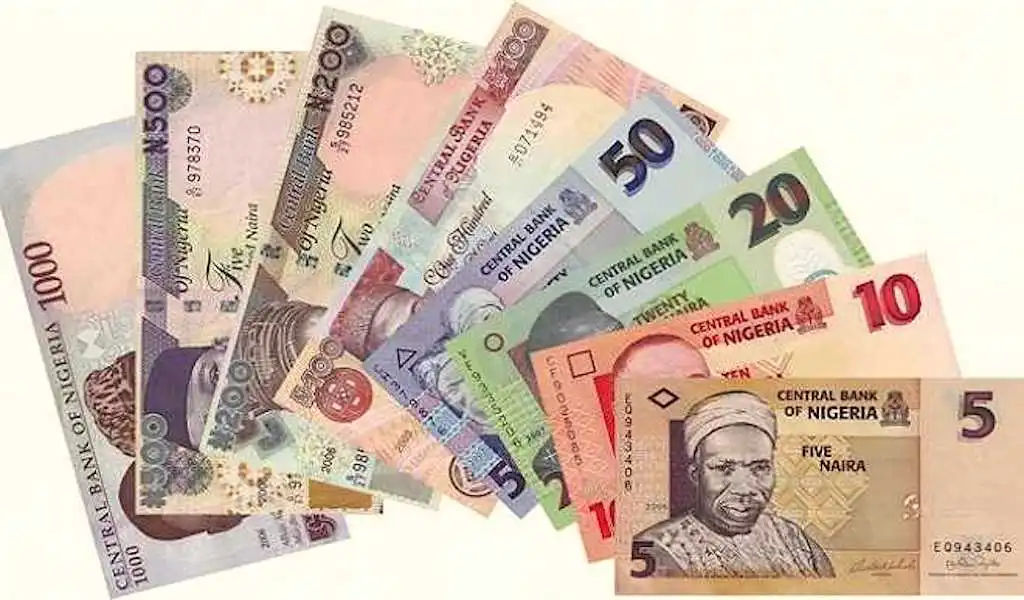
Nigeria’s currency, the naira, closed the month of July on a weaker footing at the official foreign exchange market, settling at N1,368.22 per United States dollar on Friday after recording a marginal depreciation from the previous trading day.
Figures published by the Central Bank of Nigeria showed that the local currency lost N1.50, representing about 0.1 per cent, compared with Thursday’s closing rate of N1,366.72/$, extending a gradual decline that persisted throughout the final trading week of the month.
Although the naira remained relatively stable for much of July, the latest figures indicate that it surrendered modest gains during the closing days of the month despite continued foreign exchange reforms introduced by the apex bank to improve liquidity and price discovery in the market.




Trading data showed that the local currency opened the week on Monday at N1,362.20/$, slipping slightly from the previous session before weakening further to N1,365.53/$ on Tuesday.
The downward movement continued on Wednesday when the exchange rate closed at N1,366.71/$, followed by a nearly unchanged close of N1,366.72/$ on Thursday. Friday’s closing rate of N1,368.22/$ marked the fifth consecutive trading session of depreciation.
The latest performance underscores the persistent pressure on Nigeria’s foreign exchange market despite policy measures implemented by the Central Bank of Nigeria over the past year to stabilise the naira, improve transparency and attract foreign capital.
Since embarking on wide-ranging reforms, the apex bank has maintained a market-driven exchange rate framework, cleared a significant portion of verified foreign exchange obligations and tightened oversight of the banking sector’s foreign exchange activities. The reforms have also been accompanied by periodic interventions aimed at improving liquidity in the official market.
Analysts say short-term fluctuations remain expected as demand for foreign exchange continues to compete with available supply, even as inflows from foreign portfolio investors and other market participants gradually improve.

The official market has experienced relative stability in recent months compared with earlier periods of heightened volatility, though the naira continues to face intermittent pressure from external factors, including global dollar strength, import demand and domestic foreign exchange requirements.
Market observers note that sustaining exchange rate stability will depend largely on continued growth in foreign exchange inflows, stronger oil production and exports, improved investor confidence and the Central Bank’s ability to maintain adequate liquidity in the official market.
Economic stakeholders are also watching upcoming inflation data, external reserve movements and monetary policy decisions for indications of the currency’s direction in the coming weeks.
The naira’s July close reflects a market that remains considerably more orderly than during previous periods of sharp volatility, even as gradual depreciation persists amid evolving macroeconomic conditions.