



Hamas on Friday announced that it had agreed to a new roadmap requiring the group to hand over its weapons to a Palestinian governing body as part of the next phase of a ceasefire plan aimed at ending months of fighting in the Gaza Strip.
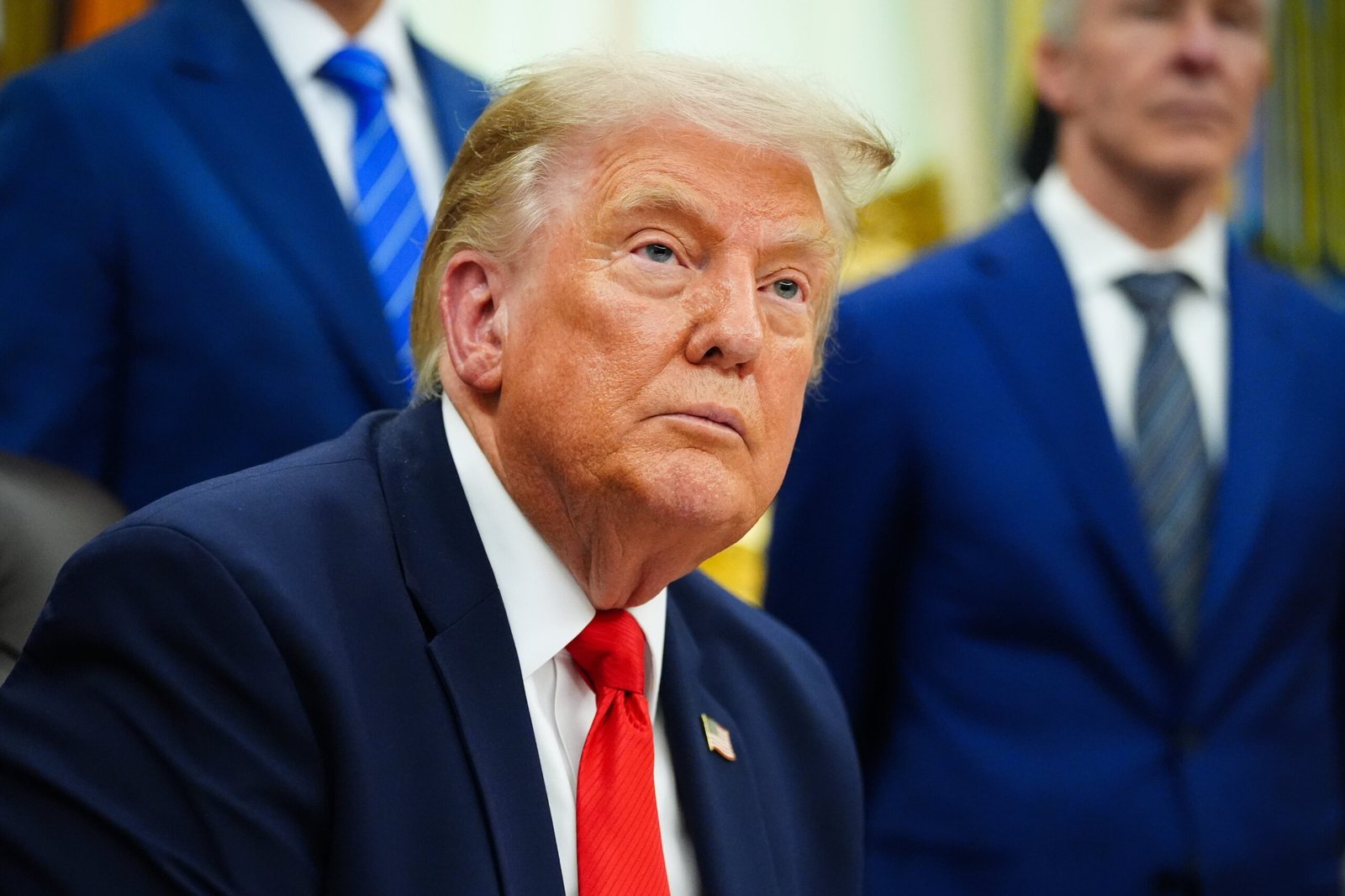
The agreement, promoted by US President Donald Trump, would see Hamas gradually relinquish its military arsenal while Israeli forces withdraw from parts of Gaza under a phased implementation process supervised by an international verification mechanism.
Trump, who unveiled the latest breakthrough on Thursday, described Hamas’s commitment to “complete disarmament” as a major step toward ending the conflict. Speaking to reporters at Camp David on Friday, he said Israel was satisfied with the understanding reached.



“We do have an understanding with Israel. Israel’s very happy about it,” Trump said.
Despite the announcement, Israel has yet to formally endorse the agreement. Israeli officials insist that troop withdrawals will only proceed after verified disarmament by Hamas.
The proposal has also drawn criticism from within Israel’s coalition government, with National Security Minister Itamar Ben Gvir opposing the plan.
Hamas said the agreement represents a difficult compromise aimed at easing the humanitarian crisis in Gaza.
Negotiator Ghazi Hamad said responsibility for collecting the group’s weapons would be handled by the National Committee for Administration of Gaza, the civilian authority established under the peace framework.
The roadmap provides for the phased decommissioning of heavy weapons, military facilities, arms depots and tunnel networks, while an international verification system oversees compliance.
The Board of Peace confirmed that Hamas had accepted the roadmap and said implementation would now become the central focus.
European Union foreign policy chief Kaja Kallas welcomed the breakthrough but cautioned that significant challenges remain before the agreement can be fully implemented.

United Nations Secretary-General Antonio Guterres also described the announcement as a rare positive development amid ongoing instability across the Middle East.
Egypt is expected to host another round of talks involving the United States, Qatar and Turkey to coordinate implementation of the agreement.
Despite the ceasefire remaining in place, hostilities have continued, highlighting the fragile security situation as negotiators work toward a lasting settlement.