


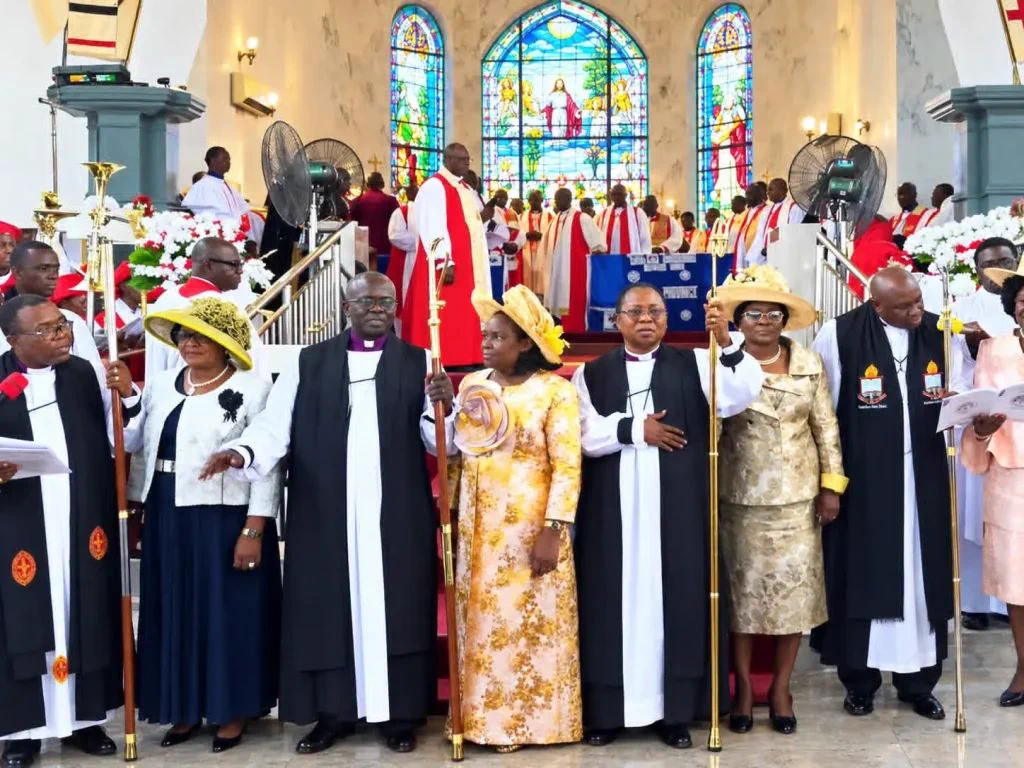
Retired Bishop of the Ibadan Diocese of the Church of Nigeria, Anglican Communion, Most Rev Joseph Akinfenwa, has urged church leaders to speak out against bad governance and hold political leaders accountable amid growing hardship in Nigeria.
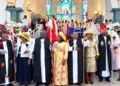
Akinfenwa made the call on Tuesday while speaking at the ongoing 15th General Synod of the Church of Nigeria and the consecration of four new bishops at Our Saviour’s Anglican Church, Ikenne Remo, Ogun State.
The retired bishop charged the newly consecrated bishops to protect the dignity of the episcopate and ensure that their lives reflect the teachings of the gospel.



He also expressed concern over hunger, insecurity, unemployment and other challenges confronting Nigerians, saying the church should not remain silent in the face of widespread hardship.
According to him, praying for the country should go hand in hand with responsible citizenship and speaking truth to those in authority.
“Prayer does not mean abandoning our responsibility as citizens. The church must pray, the church must think, and when necessary, the church must speak truth to power,” Akinfenwa said.
He urged church leaders across the country to draw the attention of government officials and citizens to issues affecting society, stressing that freedom of speech, association, religion and thought remained important to democracy.
“The church must not become zombie or be afraid. God has not given us the spirit of fear, but of power, love, and a sound mind,” he said.
Akinfenwa said church leaders should be prepared to tell those in authority when they were doing well and when their actions were wrong.
He described this responsibility as part of the church’s “prophetic calling”, arguing that Nigeria’s resilience should not become an excuse for ignoring the suffering of citizens.
“There’s hardship in the land. There’s hunger in the land. There’s unemployment in the land, and talk about insecurity; there is so much in the land,” he said.
The cleric said many Nigerian families were struggling to meet basic needs and urged the church to listen to their concerns and speak on their behalf.
He also cautioned against reducing the church’s response to social problems to prayers alone.
“When the people cry, the church must not merely say, ‘Let us pray.’ Yes, let us pray, but after we pray, let us ask, ‘Lord, what do You want us to do?’ Prayers must lead to action. Faith must produce works,” he said.
Akinfenwa further advised political leaders to surround themselves with people who would tell them the truth rather than individuals who would only praise them or shield them from uncomfortable realities.
He expressed concern that some government officials might not be sufficiently exposed to reports about the difficulties facing Nigerians in the media.
“My mind tells me that it seems that with what is happening in our nation, most of our leaders may, or are not allowed to read the national dailies,” he said.
He urged Christians to continue praying for those in authority but also asked God to surround political leaders with “truth-tellers” rather than merely loyal supporters.
Charge to new bishops
Turning to the newly consecrated bishops, Akinfenwa said their elevation should be regarded as a call to greater service, responsibility and stewardship rather than a reward or status symbol.
Quoting John 9:4, he urged the bishops to remain focused on their responsibilities and the future of the church.
“Thank God for yesterday. We celebrate what God has done, but we must press forward into what God wants to do next. The church must march on with renewed vigour and enthusiasm,” he said.
The four newly consecrated bishops are Ven Godwin Terso Yakela of Makurdi Diocese, Ven Kingsley Ogbonda of Uyo Diocese, Ven Julius Oyediran of Ekiti-Oke Diocese and Ven Oluyemi Fatusi of Awori Diocese, Ogun State.
Akinfenwa said their journey to the episcopate, which began with their election at the Episcopal Synod at the University of Port Harcourt in July, had culminated in their consecration.
He reminded them that becoming bishops was not primarily about personal honour or ecclesiastical status but about serving God and His church.
“Consecration means that something has been set apart for God. You are not being consecrated for personal honour. You are not being consecrated for ecclesiastical status,” he said.
“You are being consecrated for the service of God and His church.”