



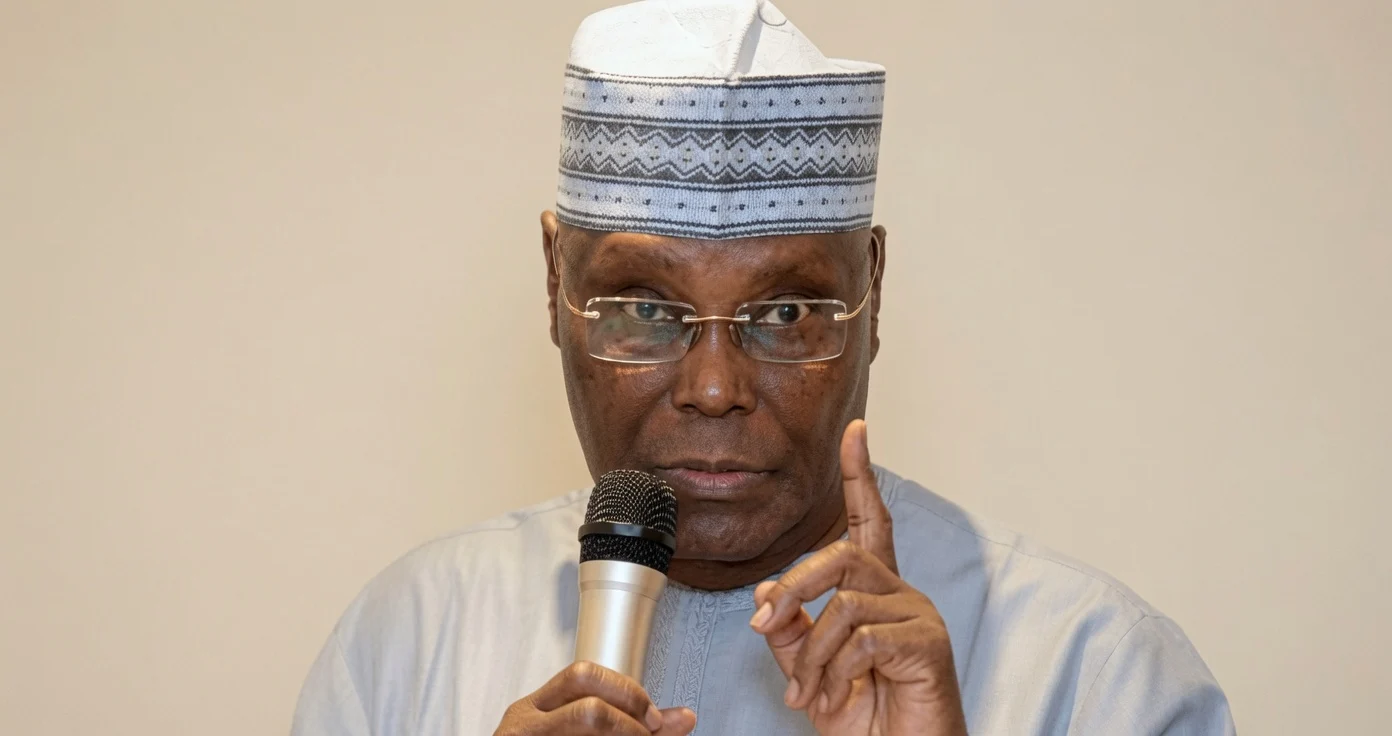
Former Vice President and African Democratic Congress (ADC) presidential candidate, Atiku Abubakar, has questioned the Federal Government over what he described as an estimated ₦7.98 trillion oil revenue windfall, asking why the Tinubu administration continues to borrow heavily despite higher global crude oil prices.
In a statement issued on Sunday by his Senior Special Assistant on Public Communication, Phrank Shaibu, Atiku accused the government of failing to provide transparency on revenues generated from crude oil sales above the 2026 budget benchmark.
According to him, the Federal Government has already raised about ₦5 trillion from the domestic bond market in the first half of 2026, despite benefiting from stronger oil prices.




He argued that while the 2026 budget benchmarked crude oil at $64.84 per barrel, international prices averaged about $92 per barrel between March 1 and July 14, creating what he described as significant excess revenue.

Atiku estimated the additional earnings at approximately $5.76 billion, or ₦7.98 trillion, and challenged the government to explain how the funds had been utilised.
He also criticised what he described as a lack of transparency in the management of excess crude earnings, insisting that Nigerians deserved regular public disclosure of revenues generated above budget projections.
The former vice president further argued that the benefits of higher oil prices and the removal of petrol subsidy had not translated into improved living standards, citing persistent economic hardship and rising poverty.
As part of the ADC’s economic agenda for the 2027 elections, Atiku pledged to establish a rules-based fiscal framework that would require public reporting of excess oil revenues and ensure that such funds are used to reduce debt, strengthen fiscal reserves and finance investments in infrastructure, healthcare, education and agriculture.
He also promised to reduce the cost of governance, eliminate waste and ensure that future borrowing is undertaken only for projects capable of generating measurable economic returns.
The Tinubu administration has maintained that its borrowing programme is necessary to finance budget deficits, infrastructure development and ongoing economic reforms following the removal of petrol subsidy and the liberalisation of the foreign exchange market.