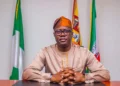



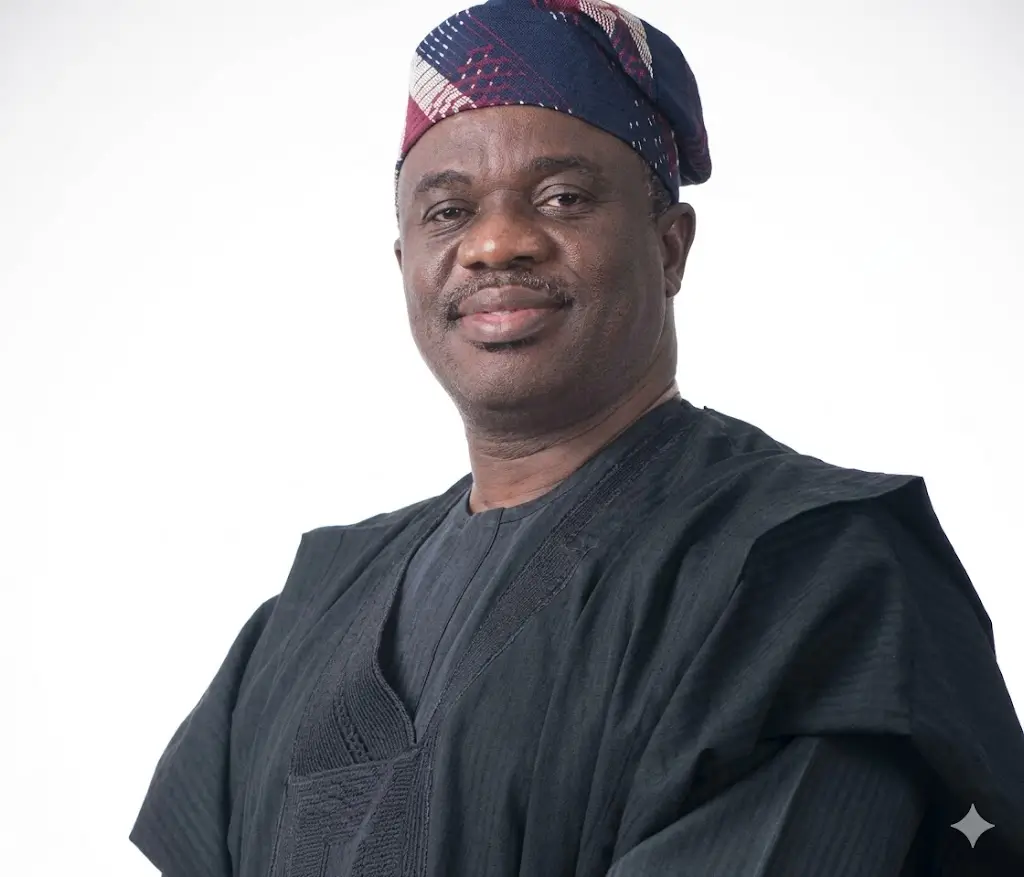
The governorship candidate of the Peoples Democratic Party(PDP) in Ekiti State, Dr Wole Oluyede, has unveiled a sweeping 10-point development agenda ahead of the June 20, 2026 governorship election, promising economic reforms, infrastructure renewal and a productivity-driven economy if elected.
Oluyede presented the policy framework, titled “My Contract with Ekiti,” as political campaigns intensify across the state ahead of the off-cycle election expected to shape the next phase of Ekiti politics.
According to a statement released in Ado Ekiti on Friday, the PDP candidate described the manifesto as a comprehensive blueprint designed to reposition the state through institutional reforms, human capital development and inclusive governance.


The document focuses on key sectors including agriculture, healthcare, education, youth empowerment, infrastructure, digital economy, taxation reform, women inclusion and local government autonomy.
Oluyede said the programme was aimed at creating a more productive and economically competitive Ekiti capable of attracting investment and improving living standards across urban and rural communities.
“At the core of the agenda is agriculture, which is the backbone of Ekiti’s economy. We propose a shift from traditional farming practices to mechanised and technology-driven agriculture to improve output and efficiency,” he stated.
The PDP candidate said his administration would introduce modern farm equipment, strengthen extension services and establish structured training programmes for farmers across the state.
He also pledged to tackle post-harvest losses and poor market access through the construction of storage facilities, including silos, and the expansion of export opportunities for agricultural products.
According to him, cooperative societies would also be revived to improve access to rural financing and strengthen local productivity.
Oluyede said his economic agenda would prioritise production and industrial growth instead of overdependence on taxation.
“Economic growth must be driven by production rather than excessive taxation. Our administration will focus on attracting investment, supporting small businesses and promoting entrepreneurship across the state,” he said.
The PDP flagbearer further promised to expand Ekiti’s digital economy by integrating technology and digital literacy into the education system to prepare young people for opportunities in the global economy.
He disclosed plans to establish modern vocational training centres and certification programmes aimed at equipping youths with employable and entrepreneurial skills.
The manifesto also places strong emphasis on infrastructure development, particularly road rehabilitation, electricity supply and water projects.
Oluyede identified poor road networks, unstable power supply and inadequate water systems as major obstacles slowing economic growth and investment in the state.
On healthcare, the PDP candidate proposed a broad reform programme based on the World Health Organisation’s framework for universal health coverage.
He said his administration would establish a contributory health insurance scheme to reduce the burden of out-of-pocket medical expenses on residents.
The plan also includes strengthening primary healthcare centres, improving drug availability through a revolving drug fund and introducing performance-based incentives for health workers.
Oluyede stressed that youth empowerment and women inclusion would remain central pillars of his administration if elected governor.
He pledged to integrate entrepreneurship education into secondary and tertiary institutions while creating programmes targeted at expanding women’s access to governance, healthcare, education and economic opportunities.
Political activities have intensified in Ekiti State ahead of the June 2026 election, with major parties unveiling candidates, policy proposals and campaign structures in what analysts expect to become a fiercely contested race.
The PDP is seeking to regain political control of the state by focusing its campaign on governance reforms, economic recovery and social development amid growing voter concerns over unemployment, infrastructure deficits and rising living costs.