



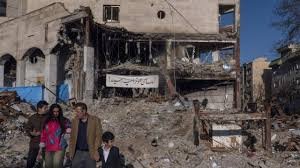
The Iran energy infrastructure has come under severe strain following a series of military strikes attributed to the United States and Israel. The attacks have not only damaged power systems but also disrupted critical water supply networks, raising concerns about the humanitarian and economic impact across the country.
According to Iranian officials, key water and electricity facilities have been heavily affected by recent military and cyber operations. The damage spans multiple regions, with infrastructure essential for daily life reportedly compromised.
Iran authorities say the strikes have targeted vital components of their energy and water systems, creating widespread disruption. The situation has further intensified tensions in an already volatile Middle East landscape.



The developments follow a major escalation in hostilities involving United States and Israel, which have both been linked to the strikes.
Iran’s energy ministry reports that dozens of water treatment and transmission facilities have been hit. Portions of the country’s electricity infrastructure have also been affected, leading to interruptions in essential services.
The attacks reportedly include both physical strikes and cyber operations, indicating a multi-layered approach aimed at weakening critical systems.
Officials say restoration work has already begun, with teams working to rebuild damaged infrastructure and restore supply. However, the scale of destruction suggests recovery could take time.
The conflict has also disrupted activity in the Strait of Hormuz, one of the world’s most important energy transit routes.

Shipping traffic through the strait has slowed significantly, with Iran restricting access to certain vessels while allowing limited passage for others. The waterway typically handles a large portion of global oil and gas shipments, making the disruption a major concern for international markets.
Donald Trump has warned of further strikes, including potential attacks on Iranian power facilities if specific conditions are not met.
In response, Iran has indicated it could retaliate by targeting energy and water infrastructure across the wider region, raising fears of a broader conflictWhy Iran Energy Infrastructure Is Critical
The Iran energy infrastructure plays a central role in both domestic stability and global energy supply.
Electricity and water systems are essential for everyday life, from powering homes and hospitals to supporting agriculture and industry. Damage to these systems can disrupt economic activity and affect millions of people.
Iran sits in a strategically important region for oil and gas production. Any disruption to its infrastructure or nearby shipping routes can have ripple effects on global energy prices and supply chains.
Control over infrastructure and key transit routes like the Strait of Hormuz gives Iran significant influence in regional geopolitics. This makes such facilities prime targets during conflicts.
The consequences of the attacks are being felt both within Iran and internationally.
Disruptions to water supply systems could lead to shortages, especially in urban areas. This raises concerns about public health and access to basic necessities.
Damage to infrastructure increases repair costs and reduces economic output. At the same time, instability in the region can drive up global oil prices, affecting economies worldwide.
The ongoing exchange of threats between Iran and its adversaries increases the risk of further escalation. Neighboring countries may also be drawn into the conflict, either directly or indirectly.
The situation surrounding the Iran energy infrastructure remains uncertain.
If hostilities continue, further damage to critical systems is possible, which could deepen the humanitarian and economic impact. At the same time, efforts to repair infrastructure may help mitigate some of the immediate effects.
Diplomatic efforts, if initiated, could play a key role in de-escalating tensions and restoring stability. However, the current trajectory suggests that the region may face continued volatility in the near term.
For global markets, the disruption of key energy routes and facilities will remain a major concern, particularly if shipping through the Strait of Hormuz does not return to normal levels.
The damage to Iran’s infrastructure highlights the broader consequences of modern conflict, where essential services become targets. As the situation evolves, the focus will be on both immediate recovery efforts and the potential for further escalation in the region.
The impact of these developments extends far beyond national borders, underscoring the interconnected nature of global energy systems.