


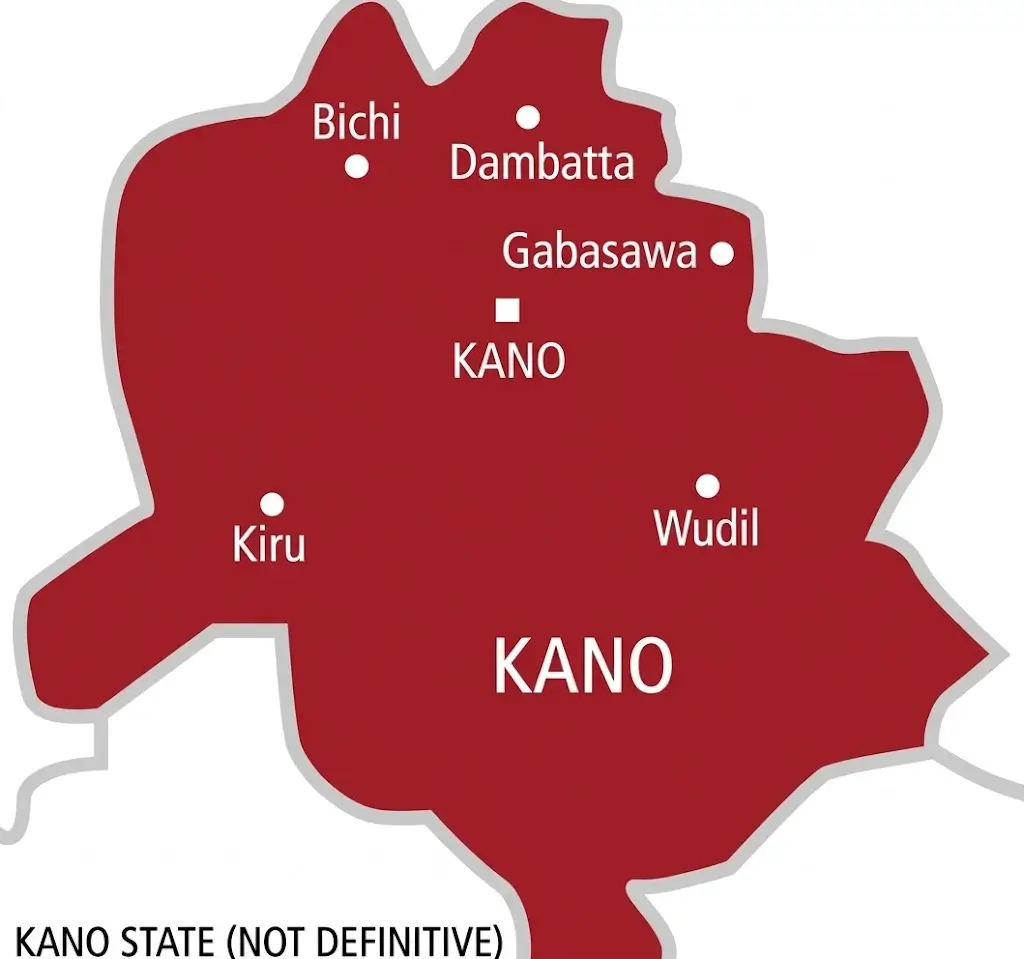
Kano State Government has allocated 75 shops to traders affected by the June 2023 demolition at the Kofar Mata Eid prayer ground, but many of the beneficiaries say they lack the financial resources to rebuild their businesses.
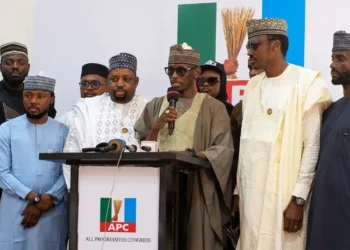
The chairman of the Association of Shop Owners at the ground, Auwal Sa’id Umar, disclosed this on Saturday during a prayer gathering organised to appreciate Governor Abba Kabir Yusuf and the Emir of Kano, Muhammadu Sanusi II, for their interventions.
Umar said the allocated shops represented 25 per cent of the land earmarked for the affected traders, expressing gratitude to both leaders for their efforts to address the losses suffered by the victims.




He, however, appealed to the governor to provide additional financial assistance, explaining that the allocation of land alone would not enable many of the traders to resume commercial activities.
“We are deeply grateful for what has been done for us. We thank His Royal Highness the Emir and His Excellency the Governor for showing us compassion,” Umar said.
He added that many of the affected traders depended entirely on their businesses to provide for their families but had been unable to recover from the demolition.
Umar also disclosed that some traders had died since the incident, leaving their families facing financial difficulties and uncertainty over their means of livelihood.

The association chairman said the gathering included prayers marking the completion of 111 recitations of the Holy Quran. The prayers were also offered for the emir and the governor in recognition of their interventions.
Demolition sparked legal battle
The development follows the demolition of shops at the Kofar Mata Eid prayer ground on June 5, 2023, during the early days of Yusuf’s administration.
The exercise formed part of a wider campaign against structures the government described as illegal. The demolition sparked controversy, with reports documenting the destruction of commercial properties and the subsequent looting of shops by hoodlums.
The affected traders subsequently pursued legal action against the state government and other authorities over the destruction of their properties.
On September 29, 2023, a Federal High Court in Kano ordered the state government and relevant respondents to pay ₦30bn in damages to the shop owners. The court awarded ₦10bn in general damages and an additional ₦20bn in punitive and exemplary damages.
The state government challenged the judgment. In December 2023, a Federal High Court in Abuja issued a garnishee order nisi attaching funds in 24 bank accounts linked to the Kano State Government and other respondents in connection with the judgment.
The legal proceedings added another dimension to the dispute, which has left affected traders seeking a way to recover their investments and return to business.
Traders seek financial support
Despite the allocation of 75 shops, Umar’s remarks indicate that access to land remains only part of the challenge confronting the affected business owners.
Without sufficient funds to construct shops, purchase goods and reopen their businesses, some beneficiaries may struggle to take advantage of the government’s intervention.
The association chairman appealed to Yusuf to consider the circumstances of traders who had lost their investments and could not independently finance their return to business.
He also expressed confidence that the association and people connected to the traders’ businesses could contribute significantly to the governor’s support base ahead of the 2027 governorship election.
Umar pledged the association’s support for Yusuf, claiming that the traders and their networks could mobilise at least 500,000 votes for the governor.
“I give His Excellency the Governor the good news that from the people of the Eid ground alone, at a minimum, we will give him 500,000 votes. That is the minimum,” he said.
The pledge signals the political dimension of the government’s engagement with the affected traders, although the projected votes remain the association chairman’s estimate.
For the beneficiaries, the immediate challenge is turning the allocation into functioning businesses capable of supporting their families. Their appeal for financial assistance underscores the difficulties that can remain long after commercial properties have been demolished and replacement land has been allocated.