



Nigeria’s crude oil production rose above its OPEC quota in May 2026, marking a 15-month high and pointing to improved stability in the country’s upstream oil operations, according to fresh data from the Nigerian Upstream Petroleum Regulatory Commission (NUPRC).
The regulator said average daily crude output stood at 1,530,354 barrels per day in May, slightly above Nigeria’s 1.5 million barrels per day OPEC allocation.
When condensates are added, total national liquid hydrocarbon production climbs to 1,700,800 barrels per day, reinforcing Nigeria’s position as Africa’s largest oil producer.




In a statement issued by NUPRC spokesperson Eniola Akinkuotu, the commission said the performance reflects stronger operational stability across oil-producing assets, with production remaining largely uninterrupted during the month.
It added that output fluctuated between 1.51 million barrels per day and 1.86 million barrels per day, indicating improved reliability across key production streams.
The May figure represents the strongest output level since mid-2025 and continues a steady recovery trend that began earlier in the year.
Month-on-month, crude production rose by 2.77 percent from April 2026, when output averaged about 1.49 million barrels per day.
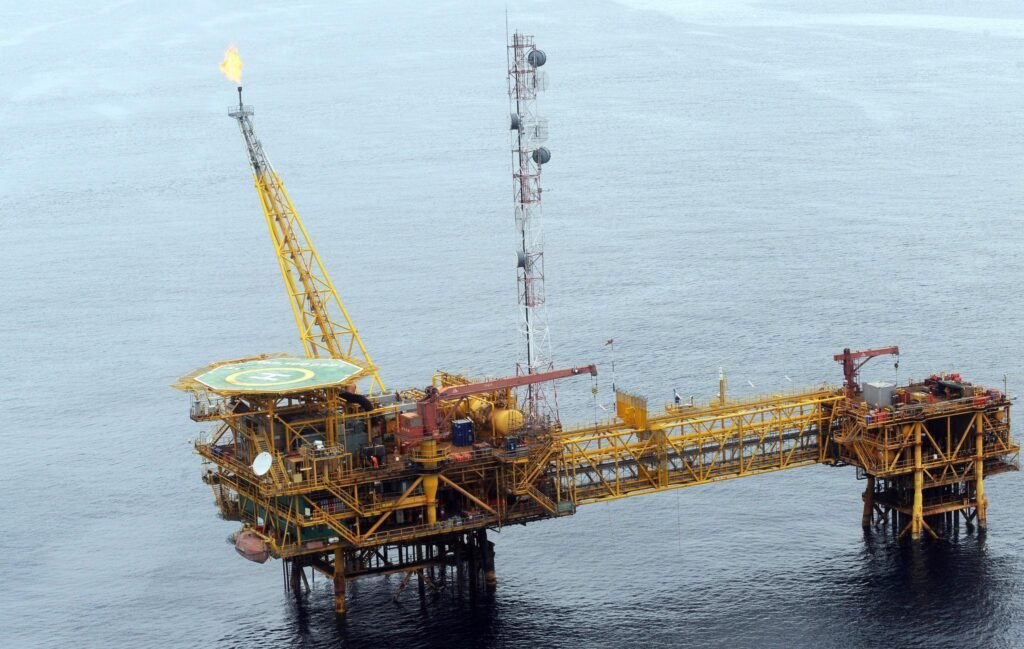
Production has maintained an upward trajectory over the past four months, rising from 1.48 million barrels per day in February to 1.54 million in March, 1.66 million in April, and 1.70 million barrels per day in May when condensates are included.
Across export terminals, Bonny remained the highest contributor with 293,870 barrels per day, followed by Forcados at 289,900 barrels per day. Qua Iboe recorded 173,360 barrels per day, while Escravos and Odudu contributed 135,470 barrels per day and 63,250 barrels per day, respectively.

The commission attributed the improvement to stable upstream operations during the period, noting that there were no major pipeline breaches or facility shutdowns.
Nigeria’s oil industry has long struggled with crude theft, pipeline vandalism, and aging infrastructure, which have repeatedly constrained output.
However, the latest production data suggests a gradual improvement in operational conditions, even as analysts warn that sustaining output above quota will depend on continued investment and security around critical oil assets.