


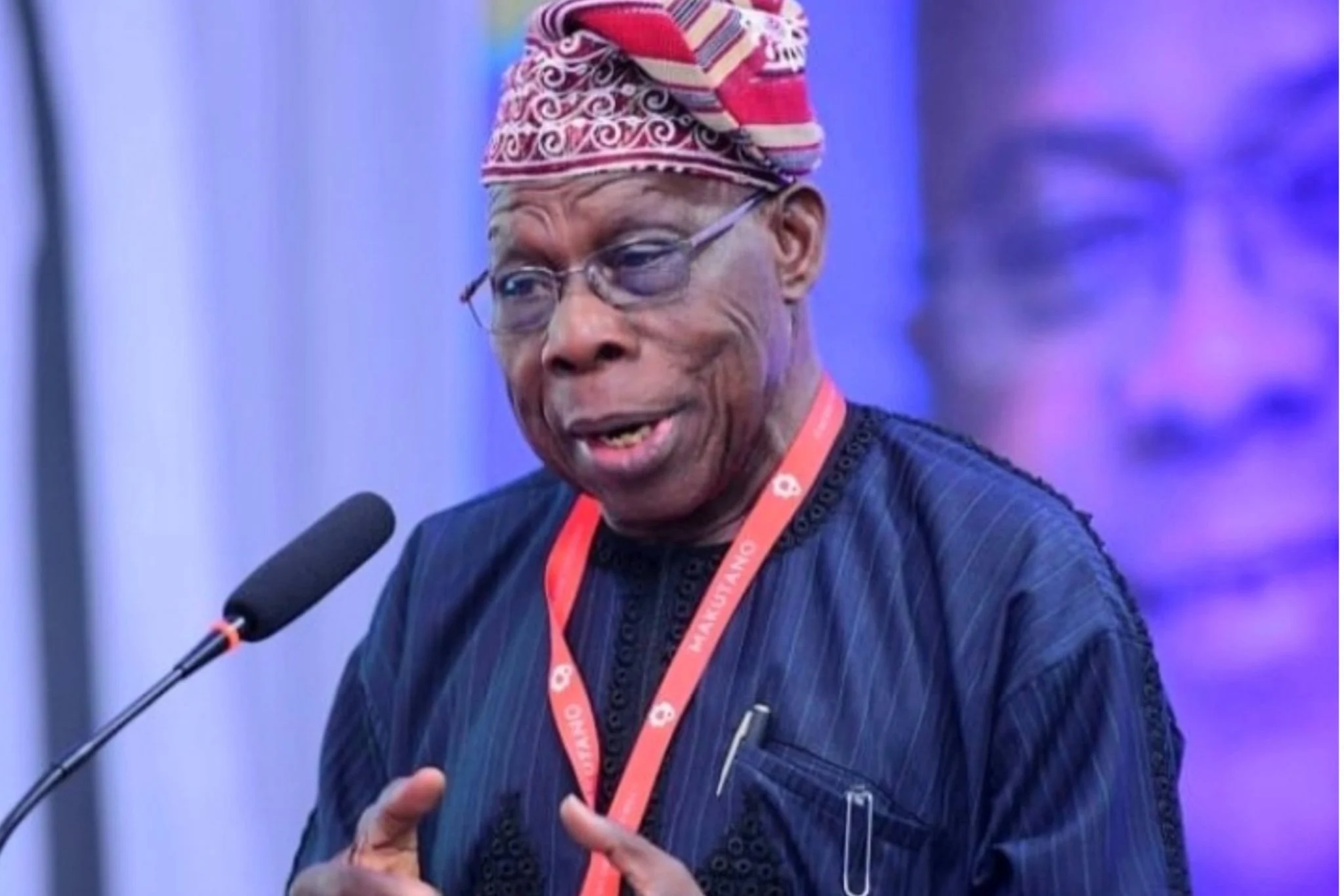
Fresh controversy has emerged over former President Olusegun Obasanjo’s political positioning ahead of the 2027 general election, following conflicting claims over his alleged involvement in the emerging opposition alliance centred on Peter Obi and Rabiu Musa Kwankwaso.
The Yoruba Ronu Leadership Forum accused the former president of secretly working to secure President Bola Tinubu’s re-election, while Obasanjo’s former Political Adviser, Dr. Akin Osuntokun, insisted that the former leader personally brokered the Obi-Kwankwaso presidential ticket on the platform of the Nigeria Democratic Congress (NDC).
The disagreement comes as opposition politicians intensify consultations aimed at forming a united coalition to challenge the ruling APC in the 2027 presidential election.




In a statement signed by its President, Akin Malaolu, the Yoruba Ronu Leadership Forum alleged that Obasanjo’s recent political interventions were designed to weaken the opposition.
The group cited Obasanjo’s recent public letter to former Ogun State Governor Segun Osoba, in which he accused former Vice President Atiku Abubakar of supporting attempts to impeach him while he was president.
According to the forum, the letter formed part of a broader political strategy to destabilise opposition parties ahead of the next general election.

The group also alleged that Obasanjo’s public support for Obi and Kwankwaso was intended to conceal support for Tinubu’s second-term ambition.
However, speaking during an interview on ARISE Television, Osuntokun rejected the allegation, insisting that Obasanjo remains one of the principal architects of the emerging opposition alliance.
He said the former president personally brought Obi and Kwankwaso together and continues to support their joint presidential bid.
Osuntokun added that discussions about an Obi-Kwankwaso partnership had begun years before the current political realignments.
The renewed debate comes shortly after Obasanjo reignited his long-running political disagreement with Atiku Abubakar through a public letter detailing events during his presidency.
Atiku, through his media aide Phrank Shaibu, dismissed the allegations, maintaining that his opposition to Obasanjo’s failed third-term agenda remains a defining chapter in Nigeria’s democratic history.
As political consultations intensify ahead of the 2027 elections, the contrasting claims surrounding Obasanjo’s role highlight the growing manoeuvring among major political actors seeking to reshape Nigeria’s opposition landscape.