The death toll from Venezuela’s devastating twin earthquakes has climbed to 2,954, authorities said on Saturday, as international rescue teams begin winding down operations nearly two weeks after one of Latin America’s deadliest natural disasters in recent years.
Officials confirmed that fatalities rose by more than 300 compared to figures released on Friday, while more than 16,000 people have been injured and thousands remain unaccounted for following the June 24 disaster.
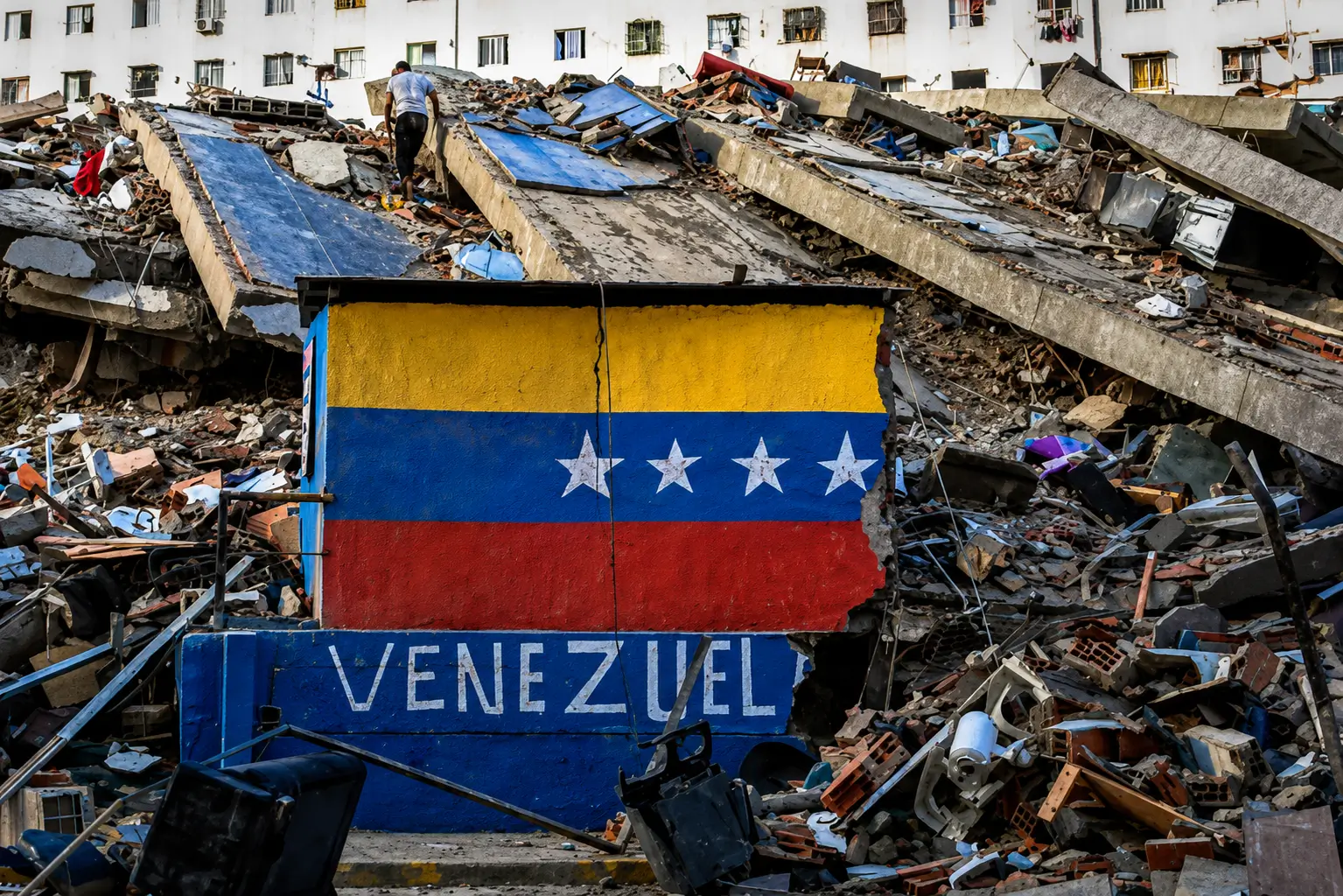
The powerful earthquakes, measured at magnitudes 7.2 and 7.5, struck within hours of each other and caused widespread destruction, particularly in the coastal state of La Guaira, north of the capital, Caracas.
READ ALSO



Authorities estimate that at least 190 buildings collapsed during the disaster, leaving more than 16,000 residents homeless and forcing thousands of families into temporary shelters and makeshift camps.
Ten days after the catastrophic tremors, hopes of finding additional survivors are fading as rescue workers transition toward recovery efforts and debris removal.
Disaster experts note that the critical survival period following major earthquakes typically lasts about 72 hours, although several individuals have reportedly been rescued alive in recent days, offering moments of hope amid the tragedy.
In a symbolic gesture marking the gradual conclusion of emergency search efforts, interim President Delcy Rodriguez presided over a ceremony honouring international rescue teams, including specialised canine units deployed from various countries.
Venezuela is experiencing “a profound grief gripping our people, where families still hold out hope of finding loved ones alive, people who have lost everything,” Rodriguez said.
Several foreign rescue contingents have begun preparing to leave the country after exhaustive searches yielded no signs of life.
The Los Angeles County Fire Department rescue team announced it was concluding its operations, while teams from Florida and Virginia were also expected to depart over the weekend.
International emergency responders from neighbouring South American countries have similarly started scaling back activities as the mission shifts from rescue to recovery.
The disaster has also sparked criticism from some Venezuelans, who accused authorities of responding too slowly during the crucial first hours after the earthquakes struck.
Residents in the worst-hit communities said families and neighbours were forced to dig through rubble with their bare hands before international assistance arrived.
Rodriguez has defended the government’s response, saying thousands of troops, emergency officials and public workers were deployed immediately after the disaster.
Across La Guaira, excavators and heavy machinery have begun clearing dangerous structures, while families continue efforts to recover the bodies of relatives trapped beneath collapsed buildings.
Volunteer rescuer Francisco Sasquia said search teams remain active despite diminishing hopes of finding survivors.
“We’re still working, still searching for bodies. We’re still going. It hasn’t been easy,” he said.
Hospitals remain under pressure as health experts warn of potential disease outbreaks in overcrowded shelters housing displaced residents.
For many families, the focus has shifted from rescue to mourning.
Víctor Colivert, whose nephew’s body was recently retrieved from a collapsed building, said his family has stayed close to the remains amid concerns about losing track of them during the recovery process.
“If I have to go to China, to wherever, but I’m not leaving him alone,” he said. “I’m going with him.”