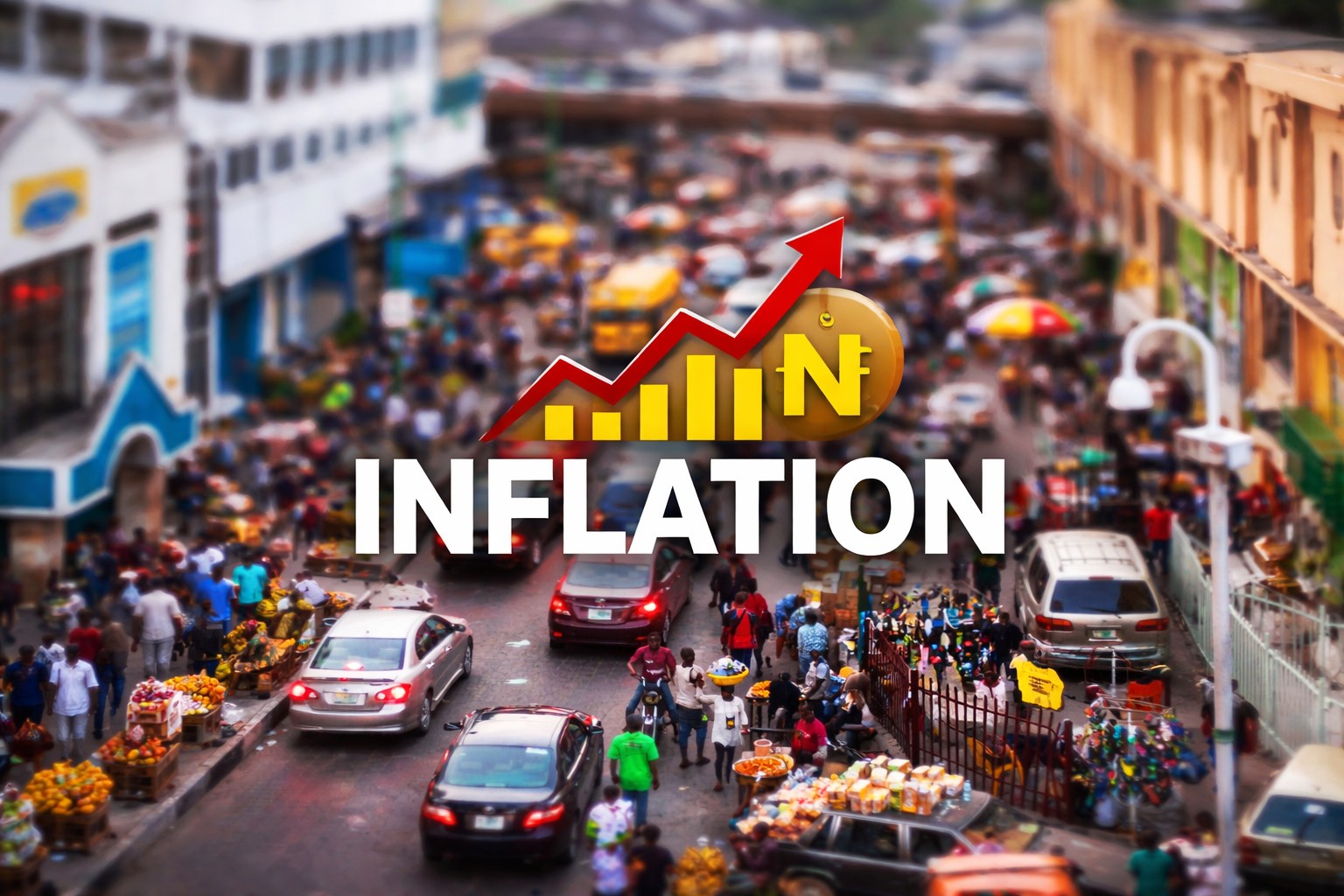
Nigeria’s headline inflation rate rose to 15.38 per cent in March 2026, marking the first uptick in 12 months and signalling renewed pressure on household spending as food, transport and accommodation costs climbed across the country.
Fresh data released on Wednesday by the National Bureau of Statistics showed that inflation increased from 15.06 per cent in February, reversing the easing trend that had lasted for 11 consecutive months.
The latest Consumer Price Index report showed that the CPI rose to 135.4 points in March, up from 130.0 in February, reflecting a 5.4-point increase within one month.
READ ALSO



On a month-on-month basis, price growth accelerated sharply to 4.18 per cent, compared with 2.01 per cent in February, highlighting the speed at which costs rose within a short period.
Although the annual rate remains significantly below the 27.35 per cent recorded in March 2025, the latest figures point to fresh underlying price pressures building across key sectors of the economy.
A breakdown of the inflation drivers showed that food and non-alcoholic beverages remained the biggest contributor, accounting for 5.55 percentage points of the headline figure.
This was followed by restaurants and accommodation services, which contributed 3.26 percentage points, while transport costs accounted for 1.80 percentage points.
Food inflation continued to exert significant pressure on household budgets.
According to the NBS, food inflation rose to 14.31 per cent year-on-year in March, up from 12.12 per cent in February, driven largely by higher prices of staple items including yams, cassava, tomatoes, potatoes and groundnuts.
On a month-on-month basis, food inflation stood at 4.17 per cent, underscoring sustained increases in everyday essentials.
The bureau also reported a sharp divergence between urban and rural price movements.
While urban inflation stood at 14.64 per cent, rural inflation was significantly higher at 17.22 per cent, suggesting stronger cost pressures in rural communities.
Rural month-on-month inflation surged to 6.73 per cent, up sharply from 0.71 per cent in February.
Core inflation, which excludes volatile agricultural produce and energy, also rose to 16.21 per cent year-on-year, while monthly core inflation climbed to 4.03 per cent, indicating broader price increases beyond food.
At the state level, Bayelsa posted the highest year-on-year inflation rate at 27.37 per cent, followed by Sokoto (26.03 per cent) and Bauchi (23.67 per cent).
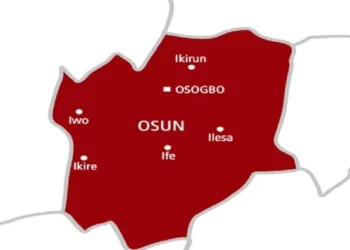
In contrast, Osun recorded the slowest rise at 5.25 per cent, with Kano and Kaduna posting 9.85 per cent and 10.38 per cent respectively.

The renewed inflation pressure comes amid rising domestic fuel costs linked to the global oil market and Middle East tensions, with analysts warning that higher transport and logistics costs may continue to feed into food prices.