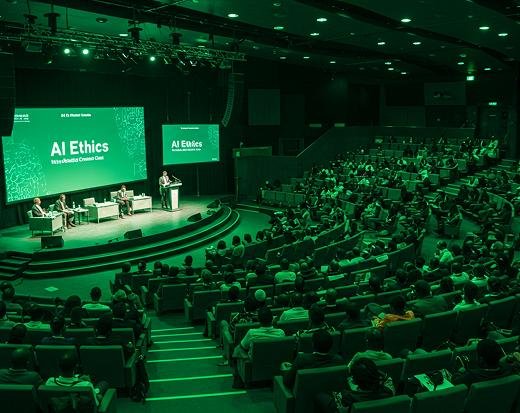
African policymakers, technology experts, and civil society leaders have launched a new continent-wide fellowship aimed at strengthening ethical oversight and governance of artificial intelligence as African governments and businesses deepen the adoption of emerging technologies across key sectors of the economy.
The initiative, known as the AI Ethics and Governance Fellowship, was unveiled by the Policy Innovation Centre in partnership with Africa Hub for Innovation & Development, with support from Luminate.
Organisers said the programme is designed to equip African institutions and professionals with practical tools to build safer, inclusive and accountable AI systems across the continent.
READ ALSO




The fellowship comes at a time when AI technologies are gaining traction across healthcare, agriculture, education, financial services and public administration in several African countries, intensifying conversations around governance, accountability, misinformation, surveillance and data protection.
According to programme details released by the organisers, the fellowship will run virtually for 12 weeks and bring together policy professionals, regulators, researchers, technology practitioners and civil society actors from across Africa.
Participants are expected to undergo expert-led sessions, mentorship programmes and collaborative policy labs focused on developing governance frameworks suited to African realities.
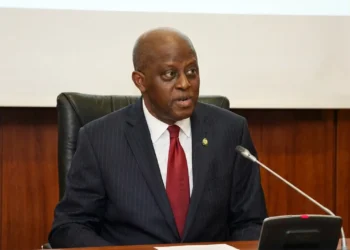
Speaking during the launch, the Executive Director of the Policy Innovation Centre, Dr. Osasuyi Dirisu, said the programme was created to ensure Africa plays a more active role in shaping the global AI governance conversation rather than depending entirely on foreign regulatory models.
“This Fellowship is designed to move beyond conversations on AI and focus on building practical governance capacity across African institutions,” Dirisu said.
“We are raising the next generation of African leaders who will sit at the intersection of AI system development in Africa and ensure that these systems are inclusive, ethical, and serve the public good.”
Organisers said the initiative was developed against the backdrop of rising concerns over algorithmic bias, misuse of personal data, weak regulatory oversight and the possibility of vulnerable communities being excluded from the benefits of AI-driven innovation.
The Chief Executive Officer of the Africa Hub for Innovation & Development, Dr. Kunle Kakanfo, said the fellowship would also encourage cross-border collaboration among African professionals confronting similar regulatory and policy challenges.
“The fellowship for us is not just about leadership development in AI ethics and governance; it’s also about making significant connections, cross-country networks, and being able to cross-breed experiences,” Kakanfo said.
“This fellowship would be a catalytic platform that is able to help us drive the needed change that we need within AI ethics and governance on the continent.”
The launch further highlights Nigeria’s growing role in conversations around AI regulation and digital policy across Africa as countries increasingly seek frameworks capable of balancing innovation with citizen protection.
National Director of the National Centre for Artificial Intelligence and Robotics, Dr. Olubunmi Ajala, described the initiative as part of Africa’s response to the rapidly expanding influence of AI technologies globally.
“This is a deliberate, organized, and urgent response of Africa to one of the most consequential technological revolutions in human history,” Ajala said.
“If we don’t do what we need to do in terms of governance and ethics, the problems will go beyond technology failures, and some of the damages could be colossal.”
The debate around AI governance has intensified globally in recent years amid concerns over generative AI systems, automated decision-making, misinformation, labour displacement and concentration of technological power among a few global firms.
Across Africa, several countries have announced national AI strategies and digital transformation policies, while regional institutions and research hubs continue pushing for governance systems tailored to African realities rather than imported frameworks.
The fellowship organisers said the programme is expected to help build a long-term network of African AI governance practitioners capable of influencing policy reforms, strengthening institutional oversight and promoting more equitable AI systems across the continent.
The Policy Innovation Centre, an initiative of the Nigeria Economic Summit Group, said the fellowship aligns with its broader mission of promoting evidence-based policymaking and behavioural innovation across Africa’s public and private sectors.