Global oil prices fell sharply on Wednesday after United States President Donald Trump said negotiations with Iran were in their “final stages,” raising hopes of easing tensions in the Middle East and a possible recovery in disrupted crude supply routes.
Brent crude dropped to about $105 per barrel from $111 recorded a day earlier, while US West Texas Intermediate crude slipped below the $100 mark to around $98.
The decline followed renewed diplomatic signals from Washington as investors reacted to the possibility of a breakthrough in talks aimed at ending months of conflict involving Iran, Israel, and the United States.




Trump said negotiations with Tehran were nearing completion but warned that military attacks could resume if Iran failed to accept a proposed deal.
Iranian Foreign Ministry spokesperson Esmaeil Baghaei said Tehran was willing to cooperate with neighboring coastal states to establish protocols for safe maritime movement in the Gulf, although he provided no further details.
Despite the market optimism, analysts warned that oil traders may still be underestimating the risk of prolonged supply disruption in the region, particularly around the Strait of Hormuz, one of the world’s most strategic energy corridors.
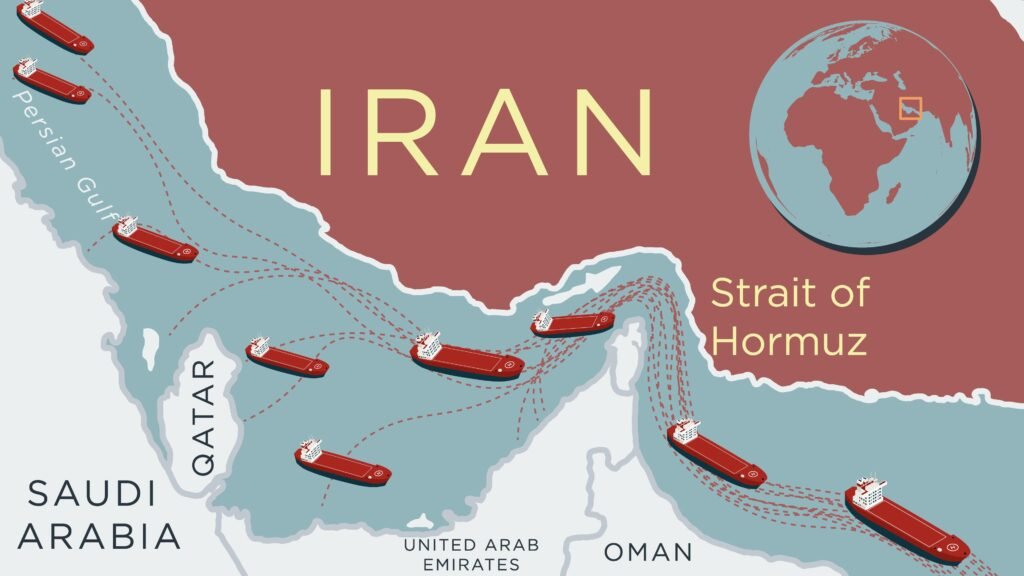
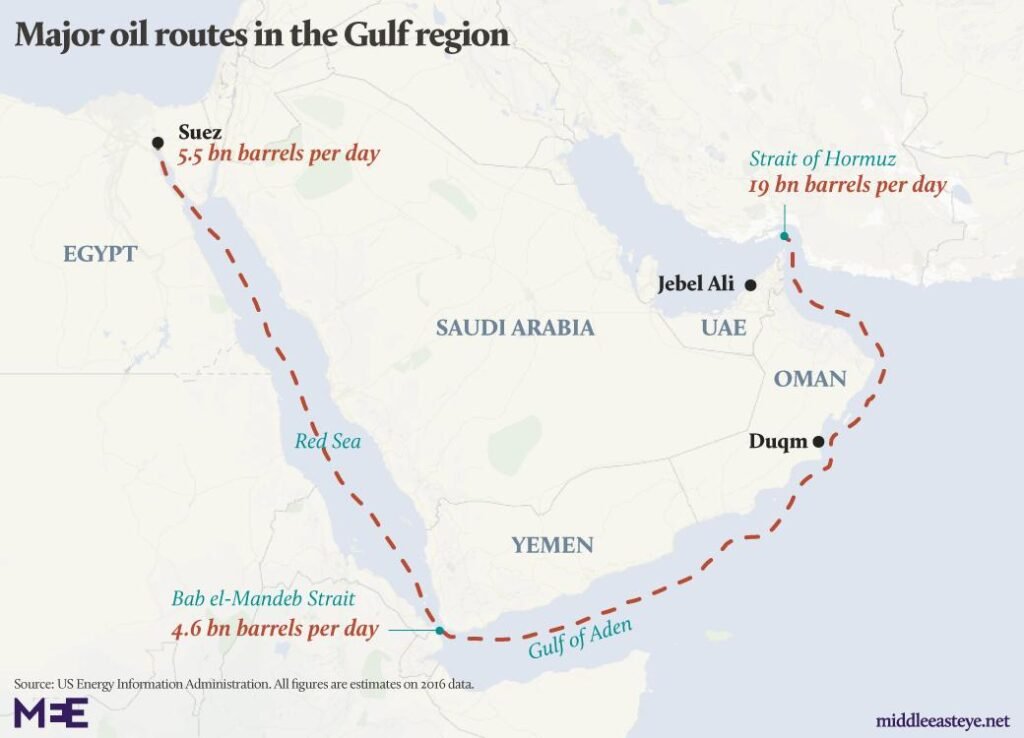
The Strait of Hormuz handles roughly one-fifth of global oil and energy supply, making any disruption in the waterway capable of triggering sharp swings in international crude prices.
Shipping activity through the route remains far below normal levels months after conflict in the region escalated.
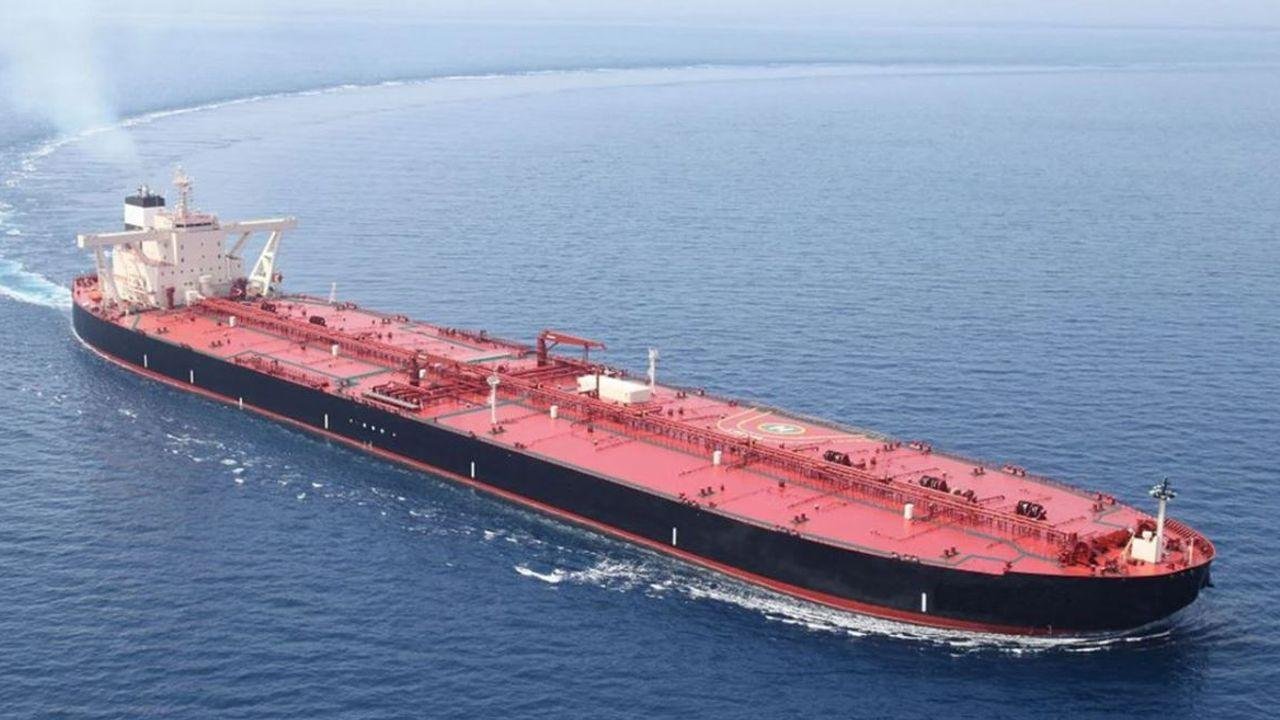
Ship-tracking data from LSEG and Kpler showed that three supertankers carrying about six million barrels of Middle East crude crossed the Strait on Wednesday after remaining stranded in the Gulf for more than two months.
One of the vessels, the South Korean-flagged Very Large Crude Carrier Universal Winner, was transporting two million barrels of Kuwaiti crude to Ulsan, home to SK Energy, South Korea’s largest oil refiner.

Before the conflict intensified earlier this year, daily traffic through the Strait averaged between 125 and 140 vessels. Recent shipping data, however, shows traffic has dropped to roughly 10 vessels entering and leaving the corridor daily.
Some market analysts believe oil prices could rebound quickly if negotiations collapse or maritime disruptions persist.
Energy consultancy Wood Mackenzie warned that crude prices could approach $200 per barrel if the Strait of Hormuz remains heavily restricted until the end of the year, reflecting growing fears over global supply tightness.
Recent market volatility has highlighted how heavily oil prices remain tied to geopolitical developments in the Middle East, with every signal from Washington or Tehran continuing to trigger major swings across global energy markets.