




The Edo drug seizure recorded in the first quarter of the year has highlighted intensified enforcement efforts against illicit substances in southern Nigeria. Authorities say drugs valued at N1.8 billion were confiscated between January and March following multiple intelligence-led operations across the state.
Officials from the National Drug Law Enforcement Agency disclosed that the seizures were made during coordinated raids targeting suspected traffickers and illegal drug farms. The operations also resulted in several arrests, convictions, and rehabilitation efforts, demonstrating a broader strategy beyond enforcement.
Overview of Edo Drug Seizure Operations




According to the agency’s Edo State Command, a total of 18,380 kilograms of illicit drugs were recovered during the three months. The seizures followed targeted operations across different parts of the state.
The commander, Mitchell Ofoyeju, presented the operational scorecard in Benin City, explaining that 104 suspected drug traffickers were apprehended during the raids. The suspects included 71 men and 33 women, indicating the diverse network involved in drug distribution.
Authorities also reported that 12,556 kilograms of cannabis were destroyed directly from 10 illegal farms spanning over 5.02 hectares. Meanwhile, 5,825 kilograms were seized during separate operations.
The scale of the Edo drug seizure signals an ongoing crackdown on illicit drug production and trafficking in the region.
Breakdown of Seized Drugs
Officials provided a detailed breakdown of the recovered substances. The majority of the seized drugs were cannabis, but other dangerous substances were also intercepted.
The confiscated items included:
- Cannabis — 18,293 kilograms
- Psychotropic substances — 6.01 kilograms
- Methamphetamine — 0.1888 kilograms
- Cocaine — 0.023 kilograms
- Heroin — 0.0151 kilograms
- Codeine cough syrup — 81.4 litres
Authorities emphasised that these substances pose serious threats to public health and community safety. The presence of hard drugs like methamphetamine and heroin also indicates expanding drug trafficking networks.
Beyond seizures, enforcement actions led to legal consequences for several suspects. The agency confirmed that 36 convictions were secured at the Federal High Court.
Among those convicted were 32 men and four women, reflecting the results of sustained prosecution efforts. Officials said these convictions send a strong message to drug traffickers operating within the state.

The Edo drug seizure operations also highlight the importance of intelligence-driven policing, which helped identify suspects and dismantle distribution networks.
Rehabilitation and Public Awareness Efforts
Authorities stressed that enforcement alone is not enough to tackle drug abuse. As part of a broader strategy, the command conducted 26 anti-drug awareness programmes during the quarter.
These initiatives targeted schools, communities, and public institutions. The aim was to educate residents on the dangers of drug abuse and trafficking.
Additionally:
- 28 individuals struggling with drug dependence were rehabilitated
- 66 others received counselling
- Several clients were reunited with their families
Officials described these interventions as critical to reducing drug demand and supporting recovery.
Recognition for Officers and Partners
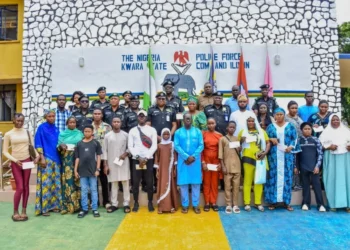
During the presentation, the command also recognised officers and partners who contributed to the anti-drug campaign. The awards were part of an initiative introduced by NDLEA Chairman, Mohamed Buba Marwa, to encourage performance and collaboration.
Ten officers received awards in categories such as:
- Best Area Commander
- Best Prosecutor
- Most Productive Officer
- Most Resourceful Officer
- Most Dedicated Officer
- Most Disciplined Officer
Four journalists were also recognised as outstanding media partners, alongside a legal practitioner who assisted suspects without legal representation.
Officials said the recognition programme aims to strengthen partnerships and boost morale within the agency.
The Edo drug seizure is significant for several reasons. First, it demonstrates the scale of illicit drug activity in the region. Second, it reflects the government’s commitment to combating narcotics.
Drug trafficking remains a major concern in Nigeria, with links to crime, insecurity, and public health challenges. Authorities believe that reducing drug supply can help lower crime rates and improve community safety.
Experts also note that public education and rehabilitation programmes are essential to addressing the root causes of drug abuse.
The crackdown is expected to have multiple benefits:
- Reduced drug availability
- Improved public safety
- Increased awareness about drug dangers
- Support for recovering addicts
- Stronger law enforcement presence
Community leaders have welcomed the efforts, urging authorities to sustain momentum.
Officials say enforcement operations will continue in the coming months. The agency plans to strengthen intelligence gathering and expand community outreach.
Authorities also intend to:
- Intensify raids on drug hotspots
- Increase public awareness campaigns
- Expand rehabilitation services
- Strengthen prosecution processes
The Edo drug seizure operations are expected to remain a key part of efforts to build safer communities.
The seizure of drugs worth N1.8 billion in just three months highlights the scale of the anti-drug campaign in Edo State. With arrests, convictions, rehabilitation efforts, and public education programmes, authorities are adopting a comprehensive strategy to combat narcotics.
Officials believe that sustained collaboration between law enforcement, communities, and stakeholders will be critical in achieving long-term success.