BEIRUT, Lebanon — The humanitarian and security situation in Lebanon reached a breaking point this Sunday, March 15, as United Nations peacekeepers (UNIFIL) came under fire and Israel officially dismissed the possibility of immediate ceasefire negotiations.
Despite earlier signals from Beirut regarding a potential diplomatic delegation, Israeli Foreign Minister Gideon Saar delivered a blunt “no” when questioned about direct talks. This diplomatic deadlock comes exactly two weeks into a high-intensity conflict that has already claimed 850 lives and displaced nearly a million people.
Blue Helmets in the Line of Fire
UNIFIL reported that its positions in southern Lebanon were targeted three separate times on Sunday. The mission attributed the attacks to “non-state armed groups,” marking a dangerous escalation in the risks faced by international observers. This follows a previous incident just two days prior, where Lebanese state media accused Israeli forces of striking a different UN outpost.
READ ALSO




Major Developments on the Ground:
- Targeted Assassination: A strike in the coastal city of Sidon reportedly killed Wissam Taha, a high-ranking official within Hamas, according to sources within the militant group.
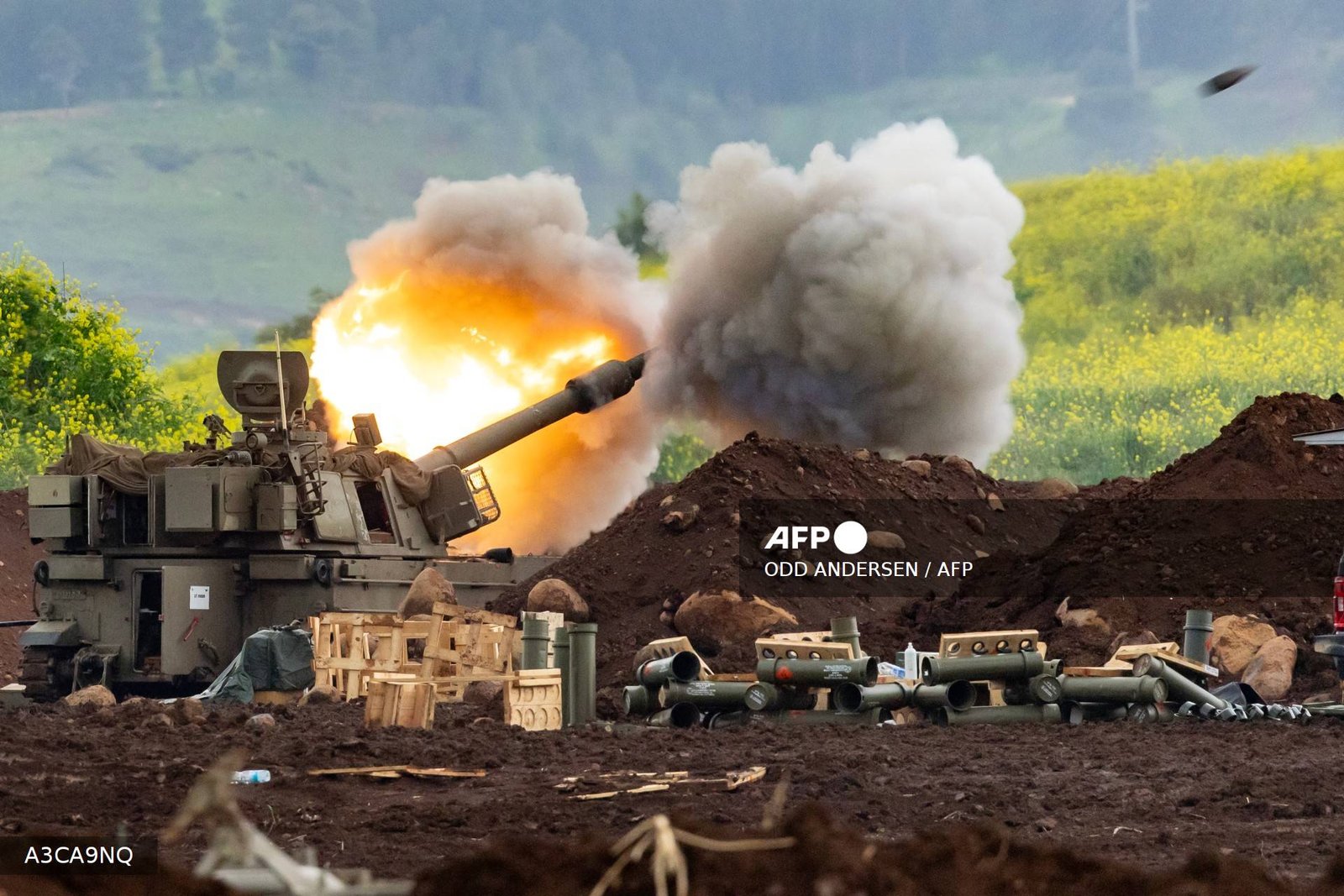
- Aerial Warfare: Hezbollah claimed responsibility for launching an “advanced missile” at the Palmachim air base near Tel Aviv, while Israel’s military reported the destruction of several command centers belonging to Hezbollah’s elite Radwan Force in Beirut.
- Diplomatic Friction: Amid the violence, Israeli Energy Minister Eli Cohen called for the termination of the 2022 maritime border agreement with Lebanon, arguing the U.S.-brokered deal failed to provide the promised security.
A Humanitarian Disaster Unfolding
The conflict, which ignited on March 2 following a cycle of retaliatory strikes involving Iran, Hezbollah, and Israel, has triggered a massive internal migration. Over 830,000 Lebanese citizens are now registered as displaced.
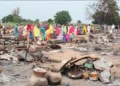
The crisis was exacerbated on Sunday by torrential rains and plummeting temperatures. In Beirut, hundreds of families are sleeping in makeshift tents or in the open air. “We have nothing left,” said Nader, a 42-year-old coffee shop owner who fled the capital’s suburbs. “The cold is making the babies sick, and there is nowhere to hide from the wind.”

As Israel issues fresh evacuation orders for southern Beirut, the prospects for a French-mediated peace remain dim, leaving millions caught between stalled diplomacy and an expanding war zone.