




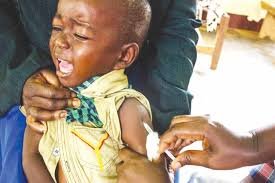
The Gombe Polio Campaign has officially commenced for 2026, marking a renewed push to eradicate polio in Nigeria. With the support of UNICEF and strong collaboration from the Gombe State Government, this campaign aims to reach every child across the state, including those who have never received any vaccination. The initiative highlights a comprehensive approach involving government authorities, community leaders, and health workers, all united to eliminate this preventable disease.
Overview of the 2026 Polio Drive
Dr. Nuzhat Rafique, head of UNICEF’s Bauchi Field Office, emphasized that this is the first polio campaign of 2026 in Gombe State. She described it as rigorous and strategic, underlining the importance of Nigeria achieving a polio-free status. The campaign follows thorough planning, flag-off activities at both state and local government levels, and continuous engagement with communities to ensure maximum coverage.
The initiative targets approximately 771,000 children, including over 50,000 “zero-dose” children who have never been vaccinated. With such ambitious goals, UNICEF and government partners are providing logistical, technical, and social mobilization support to reach every settlement.




Key Developments During the Campaign
Several key components have shaped the early days of the campaign:
Community Engagement: Traditional leaders, emirs, and local chiefs actively participated in flag-off ceremonies, reinforcing public trust and advocacy.
Vaccinator Training: All vaccination teams received detailed orientation, with daily refresher sessions to maintain high standards.
Logistical Support: Over 965,000 polio vaccine doses have been distributed across all local government areas, ensuring sufficient supply for the five-day drive.
Coverage of Hard-to-Reach Areas: Teams have already made inroads into remote communities, steadily increasing the completion rate of settlements visited.
Dr. Rafique highlighted that regular monitoring and field observations help improve the quality and efficiency of the immunisation drive. Adjustments are made as necessary to ensure no child is missed.
Why the Gombe Polio Campaign Matters
The campaign is critical for several reasons:
Public Health: Polio remains a highly infectious disease that can cause permanent paralysis. Eradicating it protects children and strengthens Nigeria’s health system.
Zero-Dose Focus: By targeting children who have never received vaccines, the campaign addresses long-standing gaps in immunisation coverage.
Community Trust: Engaging local and religious leaders builds confidence in vaccines, reducing resistance in areas historically hesitant to participate.
Capacity Building: The campaign enhances skills of local health workers, ensuring sustained benefits beyond the immediate drive.
Dr. Abdulrahman Shuaibu noted that community-based selection of vaccinators helps foster trust, as these teams are familiar with local dynamics and cultural contexts.
Impact and Progress Achieved
Early reports indicate the campaign is on track to meet its objectives. Extensive advocacy at the state, local government, and ward levels has bolstered awareness and participation. Media outlets, women groups, youth organizations, and religious institutions have been actively involved in educating communities about the safety and importance of vaccines.
Despite some pockets of resistance, the overall acceptance of polio vaccination has improved, contributing to increased routine immunisation coverage throughout Gombe State. The campaign also reinforces Nigeria’s broader national goal of eradicating polio once and for all.
Future Outlook
The Gombe Polio Campaign sets a precedent for continued public health interventions in Nigeria. With strong government commitment and robust partnerships, including UNICEF and other stakeholders, the state aims to achieve over 95% vaccination coverage by the end of the exercise. Continuous engagement with community leaders, monitoring, and adaptive strategies will be key to maintaining momentum and ensuring sustainable outcomes.
This campaign is a vital milestone not just for Gombe, but for Nigeria’s national polio eradication efforts, symbolizing a collaborative approach to child health and disease prevention.