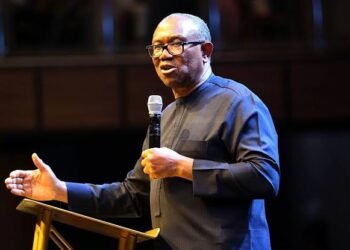




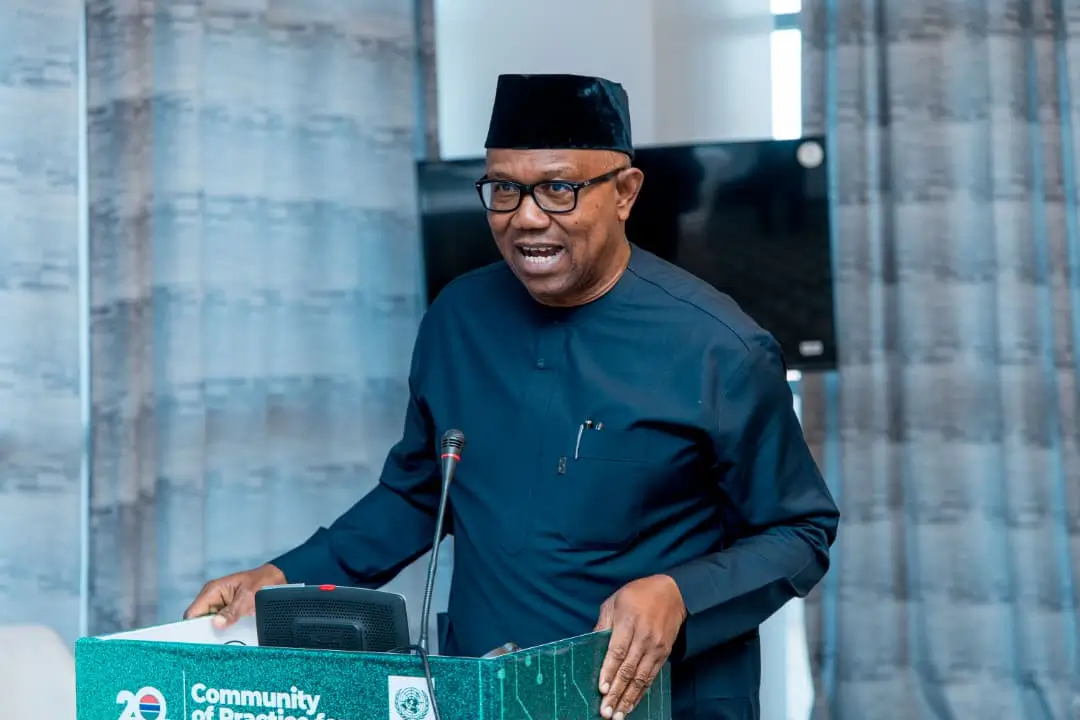
Former Labour Party presidential candidate, Peter Obi, has raised fresh concerns over the Federal Government’s latest ₦3.3 trillion approval to settle legacy debts in the power sector, questioning why previous multi-trillion naira interventions have failed to translate into improved electricity supply.
Obi, in a statement posted on Tuesday, said the new approval announced by President Bola Ahmed Tinubu raises serious questions about transparency, accountability, and execution, noting that similar approvals were issued in 2024 for the same purpose.
According to him, ₦3.3 trillion was approved on May 17, 2024, while another ₦4 trillion bond was approved on July 25 of the same year to address similar liabilities in the power sector.



“This raises a fundamental question: were the previous approvals mere announcements without execution?” Obi said.
The former Anambra State governor said Nigerians are yet to see measurable progress in electricity supply despite repeated government interventions, warning that the country risks remaining trapped in a cycle of debt and darkness.
“Today, the reality is that power supply has worsened,” he said.
The remarks come days after the Presidency confirmed a fresh ₦3.3 trillion payment plan aimed at clearing debts accumulated between 2015 and 2025 under the Presidential Power Sector Financial Reforms Programme.
Obi also questioned why government institutions, including the Presidential Villa, were reportedly part of the debt profile despite yearly budgetary allocations for electricity obligations.

“Year after year, budgets were made and funds appropriated. Why then were these obligations not settled when due?” he asked.
He further demanded clarity on how the debt accumulated, the total outstanding liabilities in the sector, and whether parts of the debt should be borne by operators due to inefficiency.
“How did the debt accrue? What is the actual total debt in the power sector? Who are the real beneficiaries of these repeated payments?” he queried.
Obi said Nigeria must move beyond what he described as recycled policy announcements and focus on transparent reforms capable of delivering a stable electricity supply.
“Until we do so, we will remain trapped in a cycle of debt and darkness,” he said.