The Nigeria Centre for Disease Control (NCDC) and Prevention has approved an emergency payment of N100,000 per person weekly for individuals placed in isolation or quarantine as authorities intensify efforts to contain the Ebola outbreak in the Federal Capital Territory.
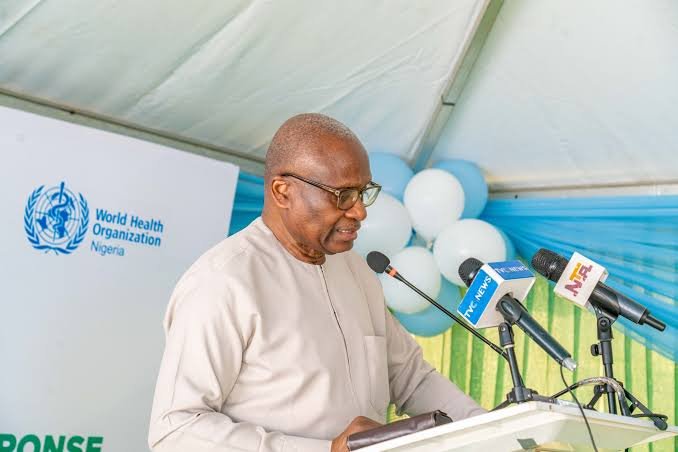
The NCDC Director-General, Dr Jide Idris, announced the intervention during a press briefing in Abuja on Sunday, October 25, explaining that the financial support followed complaints from people identified as contacts about the cost of feeding, accommodation and maintaining their families while undergoing public health monitoring.
Idris said the payment was intended to ease the financial burden on affected individuals and encourage cooperation with health officials responsible for contact tracing and surveillance.
READ ALSO




“We are paying for their accommodation; we are paying for their feeding. Some of them are asking for a stipend to maintain their families,” he said.
He added, “We are providing N100,000 per person per week just to maintain their comfort and feeding, because they were complaining.”

The NCDC chief described the arrangement as an emergency measure that was not included in the original response plan but had become necessary because of the circumstances surrounding the outbreak.
“This was not planned for, but it is an emergency. We will continue to review it as we go along,” he said.
Idris also warned that the responsibility for financing emergency public health interventions should not rest solely on the FCT, urging state governments to prepare for similar situations.
“This is not the responsibility of the FCT alone. What we have to do for the FCT, we have to do for any other state, just in case,” he said.
The announcement comes as Nigeria strengthens its response to an imported case of Ebola disease caused by the Bundibugyo virus, confirmed in Abuja on October 20.
According to the NCDC’s latest briefing, 53 primary contacts had been identified for monitoring as of Sunday. They include healthcare workers, household members, domestic staff and personnel involved in collecting samples from the patient.
The contacts are being categorised according to their exposure levels, with public health teams monitoring their health for 21 days after their last possible exposure. Anyone who develops symptoms is expected to undergo further assessment and testing.
The number of identified contacts has increased from the 44 initially reported by the World Health Organisation following confirmation of the case. The ongoing contact-tracing exercise is intended to identify people who may have been exposed and prevent further transmission.
The confirmed case involves a woman who travelled to Nigeria from Uganda. She developed symptoms on October 7, sought medical attention at a private health facility in Abuja on October 11 and tested positive for the virus on October 20. She is receiving medical care in isolation, while investigations continue to establish the likely source of infection.
The NCDC has activated its incident management system and is working with the Federal Ministry of Health and Social Welfare, FCT health authorities and technical partners to coordinate surveillance, infection prevention and control.
The WHO has called for sustained regional preparedness, including stronger disease surveillance, laboratory capacity, infection prevention measures and monitoring at points of entry. Kenya has reported nine cases linked to an imported infection, while the Democratic Republic of the Congo remains at the centre of the wider outbreak.
Nigeria is drawing on lessons from its successful containment of the 2014 Ebola outbreak, when coordinated case identification, contact tracing and isolation helped prevent widespread transmission.
The NCDC has urged Nigerians contacted by public health officials to cooperate fully and provide accurate information about their movements, possible exposures and symptoms. The agency stressed that being identified as a contact does not mean a person has Ebola, but indicates the need for monitoring.
The emergency payment also highlights the financial responsibilities governments may face during public health crises, particularly when individuals must comply with isolation or monitoring arrangements that affect their ability to work and support their households.
As surveillance continues, the NCDC is calling for cooperation from affected contacts, healthcare workers, state governments and the public to support containment efforts.