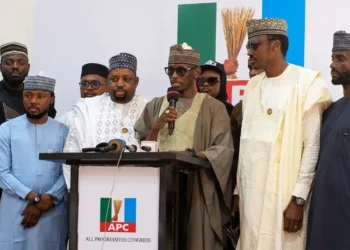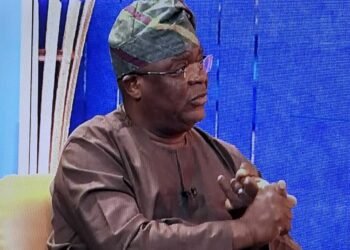



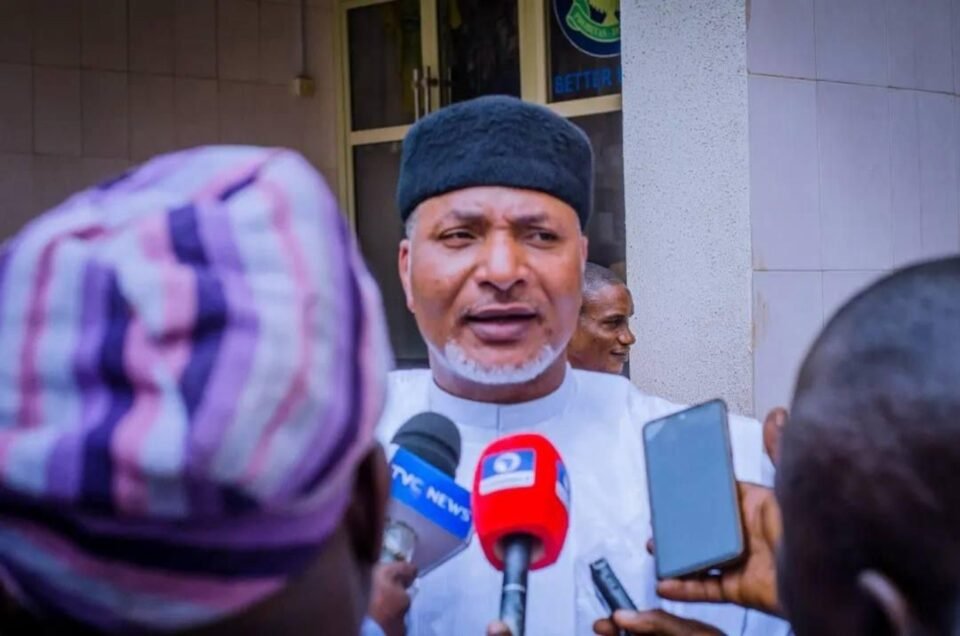
The convener of the G-100 political pressure group, Salihu Lukman, has expressed confidence that opposition parties seeking to challenge the ruling All Progressives Congress in the 2027 general election will eventually agree on a consensus presidential candidate, even if the decision comes only days before the poll.
Lukman, a former Director-General of the Progressives Governors Forum and former national vice-chairman of the APC, made the disclosure during an appearance on Channels Television’s Hard Copy programme on Saturday.

He said opposition leaders were committed to the negotiations and were taking responsibility for the process, despite disagreements and a lack of trust among some parties and their presidential candidates.



“I can tell you categorically, and my confidence about that comes from what I see in the leadership of the parties: they are committed and they are working, taking all the steps necessary,” Lukman said.
He added that the parties could announce their preferred candidate weeks or months before the election or wait until a few days to the poll before asking supporters to rally behind one contender.
According to him, the coalition-building effort has expanded beyond the six political parties initially involved, with consultations ongoing to bring additional opposition groups into the arrangement.
The G-100 emerged from efforts to unite opposition forces following a national opposition summit in Ibadan, Oyo State, on April 25, 2026. Participants at the meeting resolved to work towards fielding a single presidential candidate for the 2027 election, although subsequent political developments have complicated the push for unity.
Lukman said the initiative had since moved beyond the pressure group, with party leaders and presidential candidates taking charge of negotiations to establish the trust required for a workable alliance.
He identified mutual suspicion among the parties and their candidates as the biggest obstacle to reaching an agreement.
At a subsequent summit in Abuja on August 31, participating parties agreed to establish five working groups to develop proposals for cooperation, including a framework for opposition unity and a roadmap towards a common presidential candidate.
Lukman said one of the groups would focus specifically on selecting a consensus candidate, with representatives nominated by the participating parties or their presidential candidates.
He stressed that decisions must be taken by authorised party representatives rather than individuals outside the political structures.
Addressing concerns that supporters of former Labour Party presidential candidate Peter Obi, former Vice-President Atiku Abubakar and the Kwankwasiyya movement might resist supporting another contender, Lukman warned against rigid political positions.
“Taking a hardline position, a rigid position, is almost like working for the APC and the Tinubu government at this point,” he said.
He argued that opposition politicians must prioritise the country over individual ambitions, insisting that dividing the opposition vote among multiple candidates could weaken their collective chances of defeating President Bola Tinubu.
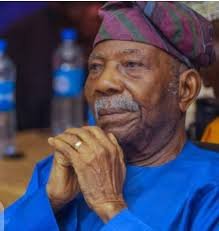
“The arithmetic is simple: you can’t split votes five ways and expect victory in one of you,” Lukman said, citing a similar argument made by Catholic cleric John Cardinal Onaiyekan.
On policy differences among the parties, including the Social Democratic Party candidate’s proposal for a starting petrol pump price of N300 per litre, Lukman said the objective was not to merge their manifestos but to agree on a common minimum programme of action.
He explained that the programme would identify priority policies that any candidate emerging from the arrangement would commit to implementing if elected.
According to him, the participating candidates would endorse the framework before the selection process was concluded, reducing the possibility of disagreements over policy after the emergence of a consensus candidate.
Lukman said the eventual candidate could emerge from the African Democratic Congress, another participating party or a new platform created through an alliance.
He also dismissed suggestions that he was pursuing personal political ambitions through the initiative, saying he had no intention of contesting an election or seeking an appointive position.
Lukman further explained that his earlier withdrawal from the ADC stemmed from internal issues in Kaduna State. He said he had since resumed membership of the party but remained concerned that it could reproduce the internal problems associated with established political parties.
The opposition’s ability to translate negotiations into a binding agreement remains a key question ahead of the 2027 election. Although parties agreed in Ibadan to pursue a common candidate, subsequent disagreements and competing political ambitions have raised questions about whether they can reach a final arrangement.