


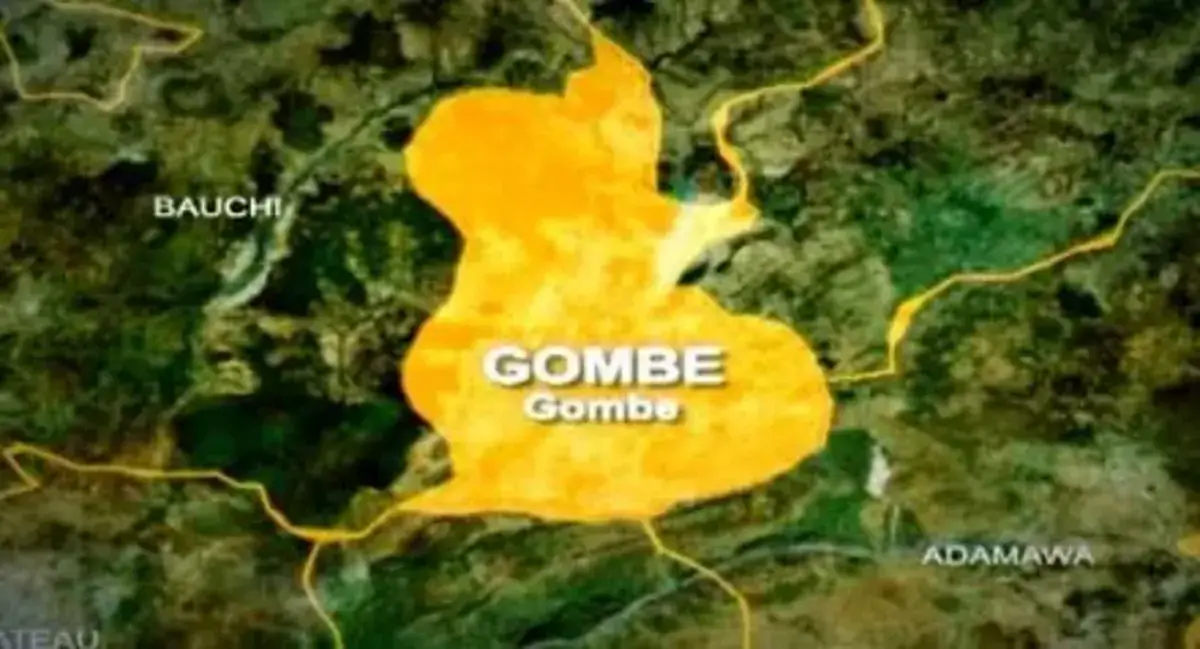
Residents of Talasse in Balanga Local Government Area of Gombe State are set to benefit from improved electricity access following the commissioning of a one-megawatt solar mini-grid designed to serve more than 6,000 households and businesses.
The Federal Government commissioned the facility on Saturday, October 17, 2026, alongside the groundbreaking for four additional interconnected mini-grid projects with a combined planned capacity of 16 megawatts in Dukku, Bajoga, Kumo and Kaltungo.
The Talasse installation includes a 2.4-megawatt-hour battery energy storage system intended to improve power reliability. It also incorporates productive-use equipment, including an electric groundnut oil processing plant, a modular rice mill, flour-grinding machines and electric tricycles.




The intervention comes after years of limited access to public electricity in the community. Residents had previously been reported to have lived without connection to the national grid for more than 15 years, although the 17-year figure cited in accounts of Saturday’s commissioning has not been independently established in the sources reviewed.
Speaking at the ceremony, Minister of Power Joseph Tegbe described the project as part of the Federal Government’s effort to expand electricity access and bring energy investment to underserved communities.

He said the initiative reflected President Bola Tinubu’s agenda to extend economic opportunities beyond major urban centres, adding that similar renewable energy interventions were being developed in other parts of the country.
Tegbe said the value of the projects would ultimately be measured by their effects on farmers, traders, artisans and young people, particularly through improved production, food processing and business opportunities.
Gombe State Governor Muhammadu Inuwa Yahaya said the commissioning fulfilled a commitment he made when construction of the Talasse project was launched in November 2025.
He described the facility as an investment in rural development, arguing that access to electricity would help businesses operate more efficiently, improve productivity and create opportunities for local entrepreneurs.
Yahaya also said electricity could improve conditions in schools and healthcare facilities while providing households with greater comfort and security.
The governor said his administration had established a regulatory framework for the state’s electricity sector through the Gombe State Electricity Law, the Gombe State Electricity Regulatory Commission and Gombe Electricity Company Limited. The measures, he said, were intended to attract investment and strengthen private-sector participation.
He also announced plans for another four-megawatt solar mini-grid intervention across communities in Akko, Dukku, Funakaye and Kaltungo, while saying other projects under construction were nearing completion.
To increase the economic benefits of the Talasse facility, the state government plans to support productive activities through equipment such as rice mills, flour-grinding machines, oil-processing facilities and electric motorcycles.
Yahaya urged residents to protect the infrastructure against vandalism, electricity theft and illegal connections, stressing that its long-term sustainability would depend on responsible use and management.
The Managing Director of the Rural Electrification Agency, Abba Aliyu, said the Talasse project recorded 6,028 connections, comprising 5,929 residential units, 84 commercial connections and 15 dedicated connections for productive economic activities.
Aliyu said the approach marked a shift towards assessing rural electrification not only by the number of connections installed but also by the economic activities those connections enable.
The project developer, Mids Dynamics Limited, said the facility was designed to generate more than 950 megawatt-hours annually over a projected design life of 25 years.
The company also said the project was implemented through the Nigeria Electrification Project under the Rural Electrification Agency, with support from the Federal Government and the World Bank.
The Talasse project forms part of wider efforts to expand off-grid electricity supply in communities that remain underserved by Nigeria’s national grid. Its impact will depend on the reliability of supply, the affordability of electricity for residents and businesses, and the ability of local enterprises to use the new infrastructure productively.