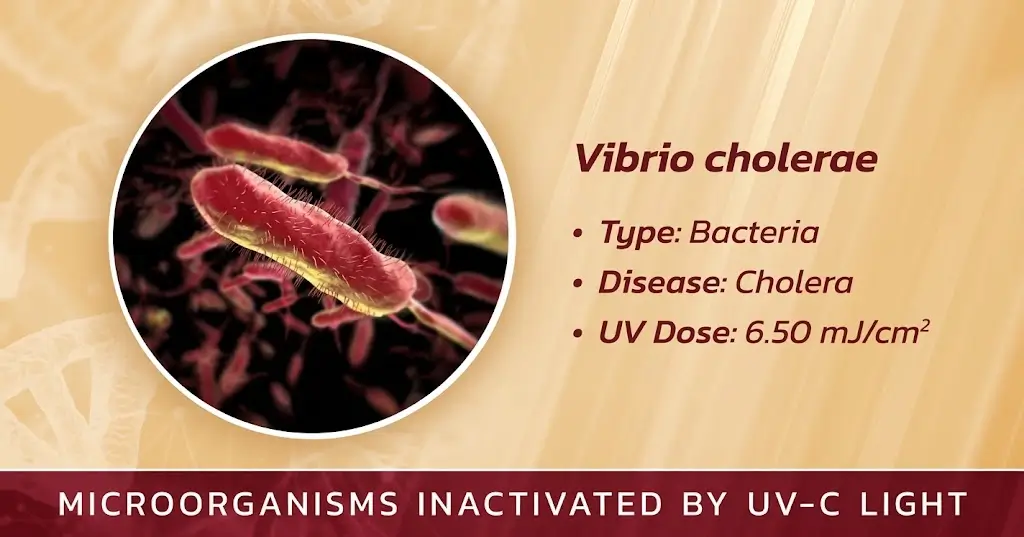
Two inmates have died following a confirmed cholera outbreak at the Kurmawa Medium Security Custodial Centre in Kano State, the Nigerian Correctional Service has said.
The Service said laboratory tests conducted on September 23 by its medical team in collaboration with Kano State public health authorities confirmed the outbreak.
According to a statement issued on Saturday by the NCoS spokesman, Chief Superintendent of Corrections JN Osuji, the incident was first detected on September 17 after an inmate developed vomiting and diarrhoea.




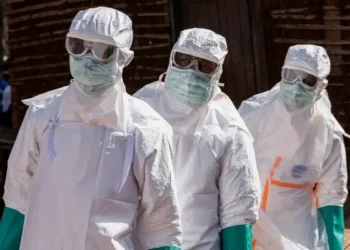
“The inmate was immediately admitted and treated at the facility’s medical centre, while emergency medical protocols were activated the following morning as health workers intensified medical intervention and monitoring,” Osuji said.
The NCoS said one of the two deaths occurred at the custodial centre, while the second was recorded at the Kano State Infectious Diseases Hospital.
Controller-General of Corrections Sylvester Ndidi Nwakuche expressed condolences to the families of the deceased and directed the Service to sustain measures aimed at protecting inmates and personnel.
The Service said its coordinated response had brought the outbreak under control and that no additional deaths had been recorded since the diagnosis.
It added that further preventive measures were being implemented with the Kano State Government to reduce the possibility of renewed transmission.

The NCoS also said disease surveillance, early detection and prompt medical intervention were being strengthened across custodial facilities.
Nwakuche has directed a team of senior medical personnel from the Service’s national headquarters to proceed to Kurmawa for sustained monitoring.
The reported outbreak comes against the backdrop of a wider cholera burden in Nigeria. The Nigeria Centre for Disease Control and Prevention’s week 30 epidemiological report recorded 2,764 suspected cholera cases, 1,943 confirmed cases and 55 deaths between weeks one and 30 of 2026.
The World Health Organisation says cholera can become fatal rapidly because of severe dehydration. It also identifies overcrowded settings, including prisons, as environments where inadequate water, sanitation and hygiene can increase the risk of transmission.
The WHO recommends rapid treatment, including oral rehydration, while severe cases require urgent medical care.
The NCoS did not disclose the number of inmates currently receiving treatment or provide details of the suspected source of the outbreak.
The Service reassured the public that healthcare remained available to inmates through qualified medical personnel and urged Nigerians to rely on verified information from official channels.
The development places renewed attention on health and sanitation conditions within custodial facilities, where adequate water, hygiene and medical surveillance are essential to containing infectious disease outbreaks.