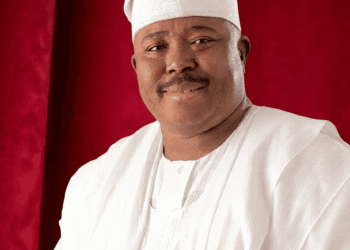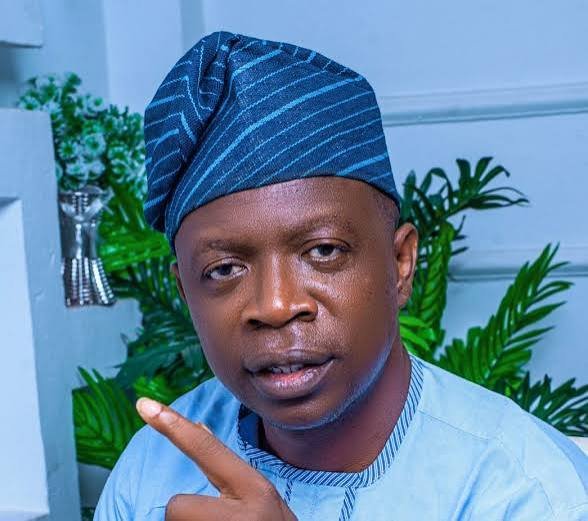
A former member of the Osun State House of Assembly, Olatunbosun Oyintiloye, has warned opposition presidential candidates Atiku Abubakar and Peter Obi against making campaign promises he considers unrealistic ahead of the 2027 general election.
Oyintiloye, in a statement issued in Osogbo on Sunday, criticised their proposals to restore fuel subsidy, arguing that the policy could create financial challenges for governments already operating under the post-subsidy system.
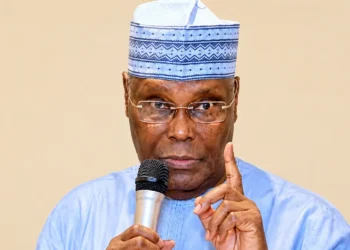
Atiku, the presidential candidate of the African Democratic Congress, has promised to restore fuel subsidy if elected, arguing that Nigerians have not benefited sufficiently from the savings generated by its removal.



Obi, who is contesting under the Nigeria Democratic Congress, has also proposed a more transparent subsidy arrangement, with stronger monitoring of crude oil production, petroleum transactions and government revenue.
Reacting to the proposals, Oyintiloye said federal and state governments had adjusted their spending and financial obligations to reflect the current revenue framework.

“It is practically impossible to return Nigeria to the era of fuel subsidy. Alhaji Atiku and Mr Obi should be mindful of the implications of whatever promises they are making to get the attention of Nigerians,” he said.
Oyintiloye questions funding for subsidy restoration
The former lawmaker questioned how a return to fuel subsidy would affect government revenue, workers’ salaries, pensions and ongoing infrastructure projects.
He argued that the current financial arrangements of federal and state governments were built around the revenue framework introduced following the removal of petrol subsidy.
Oyintiloye also questioned a campaign promise attributed to Peoples Redemption Party presidential candidate Donald Duke to peg petrol at ₦300 per litre, asking how such a price would be sustained.
He urged opposition candidates to explain how their proposals would be funded and implemented rather than make promises that might prove difficult to fulfil.
The debate over fuel subsidy has become a major issue ahead of the 2027 election, with candidates offering different approaches to reducing petrol costs and addressing the pressure on household budgets.
Subsidy removal puts pressure on households
President Bola Tinubu’s administration removed petrol subsidy in May 2023 as part of its economic reform programme. The policy has contributed to higher transport and operating costs, placing pressure on households and businesses.
Oyintiloye acknowledged that the reforms had imposed considerable hardship on Nigerians but maintained that increased monthly allocations from the Federation Account had given state governments greater financial flexibility.
He said the additional resources could help governments meet their obligations, execute development projects and address infrastructure and social-service deficits.
However, he stressed that governors must demonstrate accountability by translating public revenue into practical improvements in people’s lives.
He called on state governments to prioritise better roads, improved healthcare, stronger food production, regular payment of salaries and pensions, and more employment opportunities.
According to him, citizens expect visible benefits from government spending rather than increased revenue without improvements at the grassroots.
Call for relief measures
Oyintiloye also urged the Federal Government to sustain efforts to ease the economic burden on vulnerable households, curb inflationary pressures, expand employment opportunities and improve purchasing power.
He appealed to opposition candidates to support efforts to reposition the economy or present alternative strategies with clear implementation plans.
The former lawmaker expressed optimism that the current economic reforms could eventually yield positive results but urged Nigerians to assess their effects objectively.
As the 2027 campaign progresses, the competing subsidy proposals are likely to remain central to debates about petrol prices, public revenue and the cost of living.