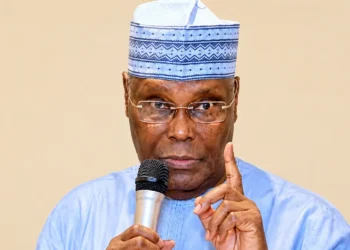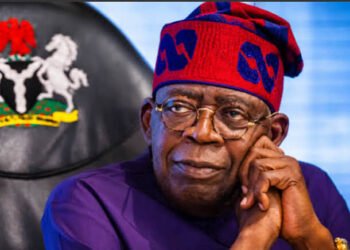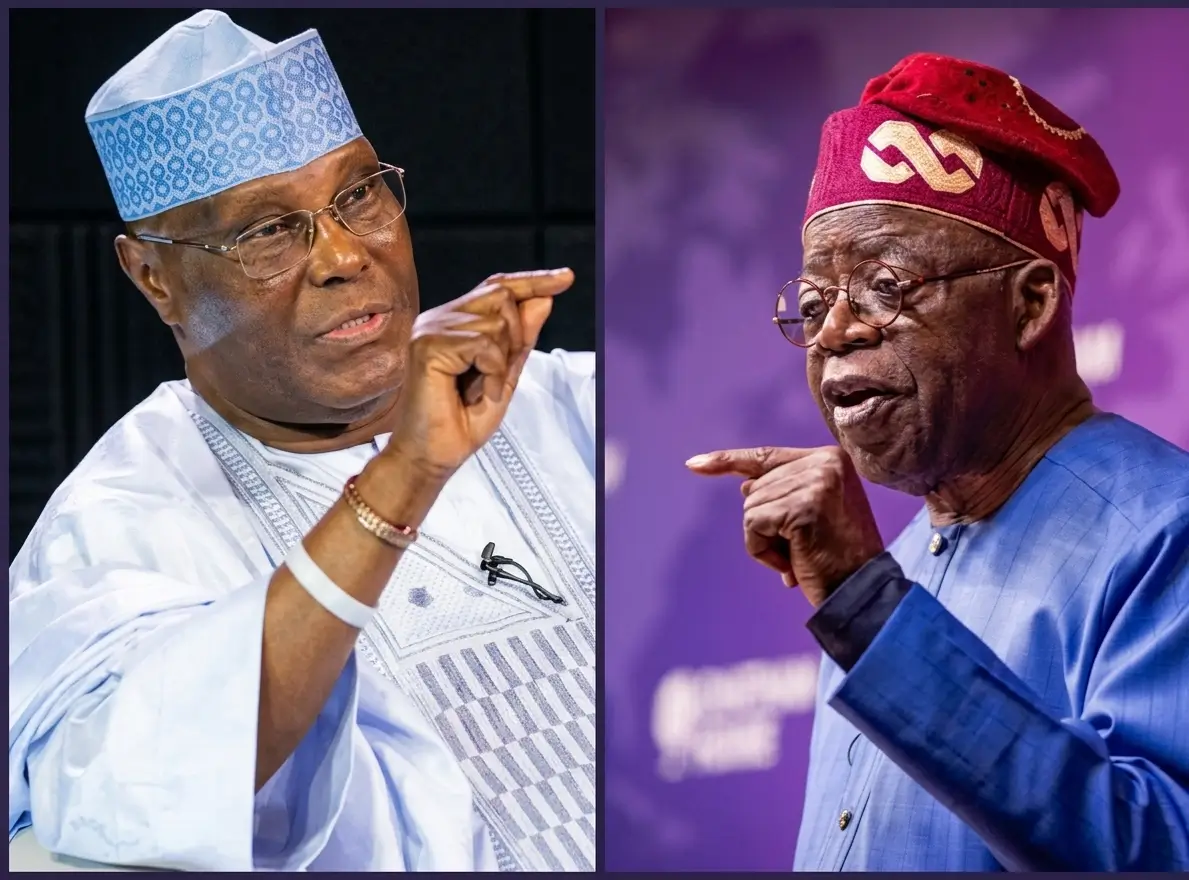
Former Vice-President Atiku Abubakar has criticised President Bola Tinubu for blaming opposition parties for Nigeria’s hunger and poverty, arguing that the administration must take responsibility for the country’s economic difficulties.
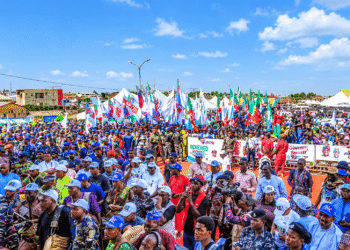
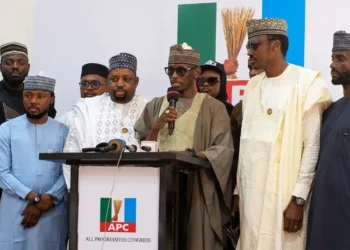
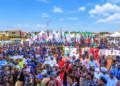
Atiku, the presidential candidate of the African Democratic Congress (ADC), reacted after Tinubu accused opposition politicians of creating hunger and poverty during the All Progressives Congress presidential campaign flag-off in Kaduna on Saturday.
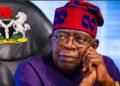
“I hear my opponents talking about hunger, poverty. Who created it? They did! They created the hunger, they created the poverty. We are trying to eradicate it,” Tinubu said at the rally.
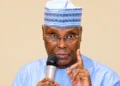
In a statement issued by Phrank Shaibu, Director of Strategic Communication of the ADC Presidential Campaign Council, Atiku described the President’s remarks as “either delusion or a staggering case of political amnesia.”
He argued that the APC’s years in power made it difficult for the ruling party to attribute the country’s economic problems solely to opposition politicians.
“The APC governed Nigeria for eight years before you took office. You have added another three and a half years,” Atiku said, insisting that Nigerians knew which party had controlled the Federal Government during the period.
He maintained that the hardship facing households and businesses could not be dismissed by blaming political opponents.
Atiku questions economic policies
The former Vice-President criticised the removal of the petrol subsidy and the depreciation of the naira, arguing that the administration should explain the impact of its economic decisions on living standards.
He also challenged Tinubu over the planned commissioning of the Abuja–Kaduna Expressway, alleging that the ceremony did not reflect the condition of the road.
“A road cannot be completed with a speech or a ribbon-cutting ceremony,” he said.

Atiku further questioned the government’s handling of public finances, citing figures he attributed to energy-security expenditure and spending related to NNPC pipelines. He demanded explanations about the amounts involved, the recipients and the results achieved.
He also questioned the extension of the 2024 budget into 2025 alongside a separate 2025 budget, arguing that Nigerians deserved greater transparency in public expenditure.
The allegations about specific expenditure figures were made by Atiku and should not be treated as independently established evidence of wrongdoing without supporting budgetary, audit or procurement records.
Dispute over $12.4bn figure
Atiku also demanded an explanation for a reported $12.4bn discrepancy in Nigeria’s external accounts for the first half of 2026.
However, the Federal Ministry of Finance has disputed descriptions of the figure as missing money. In a statement published on October 20, the ministry said the World Bank had identified net errors and omissions of minus $12.4bn in the balance of payments, a statistical balancing item that can arise when data from different sources do not reconcile.
The ministry said the World Bank had not identified a specific amount, company or oil shipment responsible for the residual. It also said the report suggested unrepatriated oil proceeds might account for part of the figure, while acknowledging that data gaps could have contributed.
Atiku separately questioned what he described as $22.5m in “other charges” associated with an Abu Dhabi financing facility, calling for an explanation of the payment.
He also accused the administration of failing to adequately address killings, kidnappings and displacement in parts of the country.
The former Vice-President said the 2027 presidential election would provide voters with an opportunity to assess Tinubu’s performance, arguing that their experiences with food prices, transport costs, household expenses and security would shape their judgment.
“The people will judge your government by the lives they are living, not by the excuses you offer at campaign rallies,” he said.
Tinubu, meanwhile, has defended his administration’s economic programme, saying the government is working to eradicate hunger and poverty while promising prosperity, growth and continued development.
The exchange highlights the economy’s central place in the emerging 2027 election campaign, with the President defending his record and the opposition demanding greater accountability for the consequences of government policy.