



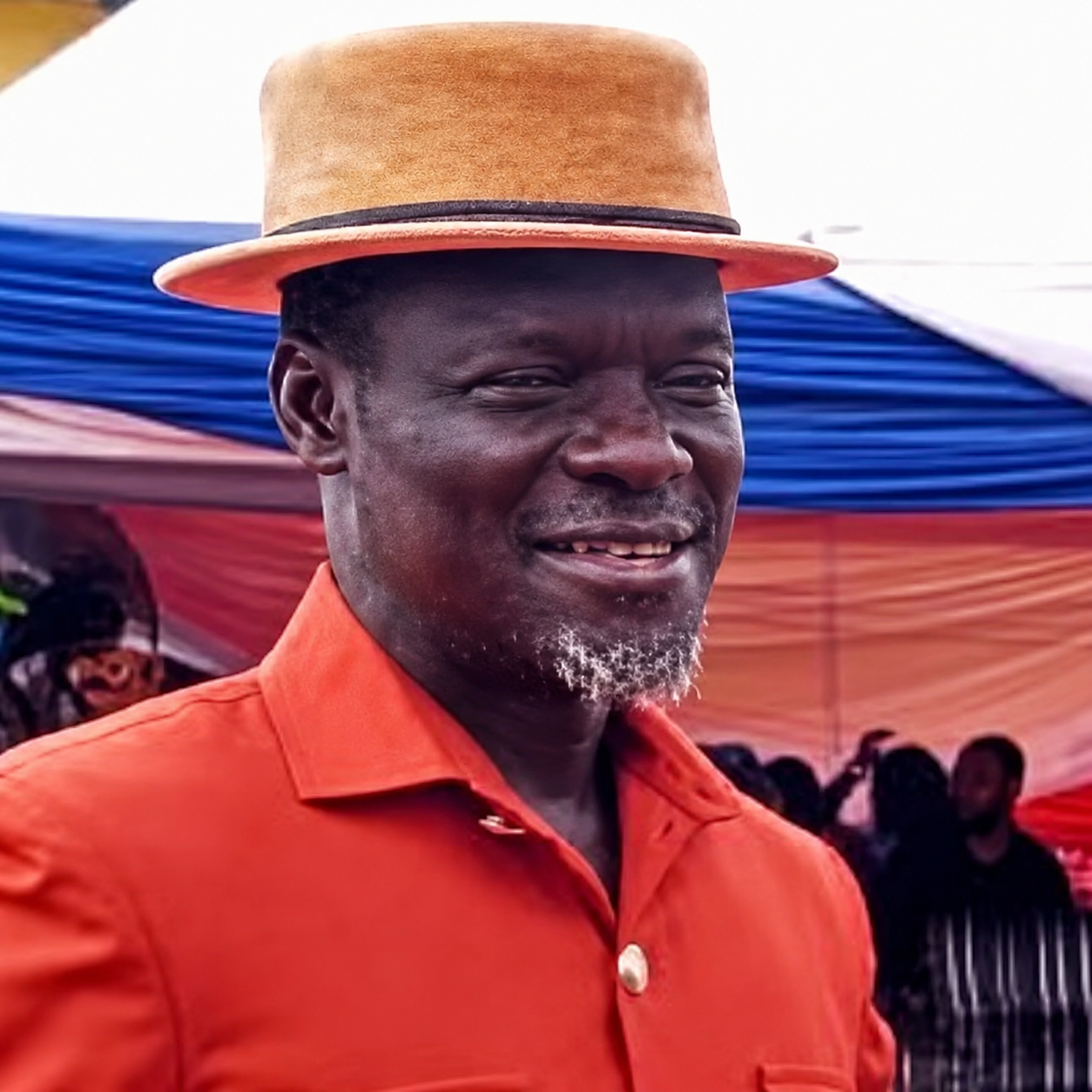
Popular Niger Delta environmental rights activist, Sheriff Mulade, has called on governors in the oil-rich region to urgently implement flood prevention and emergency response measures following fresh flood forecasts by the Nigerian Meteorological Agency.
Mulade warned that delays in preparing for the expected flooding could expose thousands of residents to another round of humanitarian and environmental disasters, particularly in communities that have historically borne the brunt of seasonal floods.
The National Coordinator of the Centre for Peace and Environmental Justice made the appeal in a statement issued on Monday in Warri, Delta State, against the backdrop of repeated warnings that many states across Nigeria face heightened flood risks as the rainy season reaches its peak.




Expressing concern over what he described as the recurring neglect of citizens’ welfare, Mulade accused many political office holders of placing personal political interests above their constitutional responsibility to protect lives and property.
He said communities across the Niger Delta continue to suffer the consequences of inadequate flood management, noting that many residents affected by the devastating 2012 floods and subsequent flooding incidents have yet to fully recover from the destruction of homes, farms and livelihoods.
“The failure of governments at various levels to implement sustainable flood prevention and disaster management measures has left vulnerable communities exposed to repeated environmental disasters,” Mulade said.
He cautioned that without immediate and coordinated interventions, the region could once again experience widespread destruction as rainfall intensifies in the coming weeks.
“If urgent collaborative and coordinated interventions are not undertaken ahead of the anticipated flooding as we approach the peak heavy rainfall, the region could once again witness widespread destruction of homes, farmlands, infrastructure, and livelihoods,” he warned.
Mulade urged governors in the Niger Delta to work closely with relevant federal agencies, emergency management institutions, local government councils and community leaders to develop comprehensive flood mitigation strategies.

According to him, priority actions should include immediate evacuation plans for flood-prone communities, desilting waterways and drainage channels, strengthening emergency response systems, providing relief materials and healthcare services, and sustaining public awareness campaigns.
He stressed that proactive planning, intergovernmental collaboration and a genuine commitment to citizens’ welfare remain the most effective ways to prevent another large-scale flood disaster.
Mulade identified Bayelsa, Delta and Rivers as states that should take the lead in implementing preventive measures because of their long history of severe seasonal flooding.
Nigeria experiences annual flooding driven by heavy rainfall, overflowing rivers and poor drainage infrastructure, with coastal states in the Niger Delta among the most vulnerable due to their low-lying terrain. The devastating 2012 floods remain one of the country’s worst natural disasters, highlighting the need for sustained investment in flood control infrastructure and disaster preparedness.