Global oil prices have eased sharply to around $97 per barrel as diplomatic signals from United States-Iran peace negotiations fuel expectations of improved supply stability and reduced geopolitical risk in the energy market.
Benchmark Brent crude, which had hovered above $100 in recent weeks, slipped to about $97.48 on Monday morning amid reports of progress in talks aimed at de-escalating tensions in the Middle East and reopening key maritime routes affecting global crude flows.
The decline marks a notable reversal from earlier spikes when crude prices surged above $110–$115 following heightened conflict risks involving Iran and disruptions around strategic oil transit corridors.




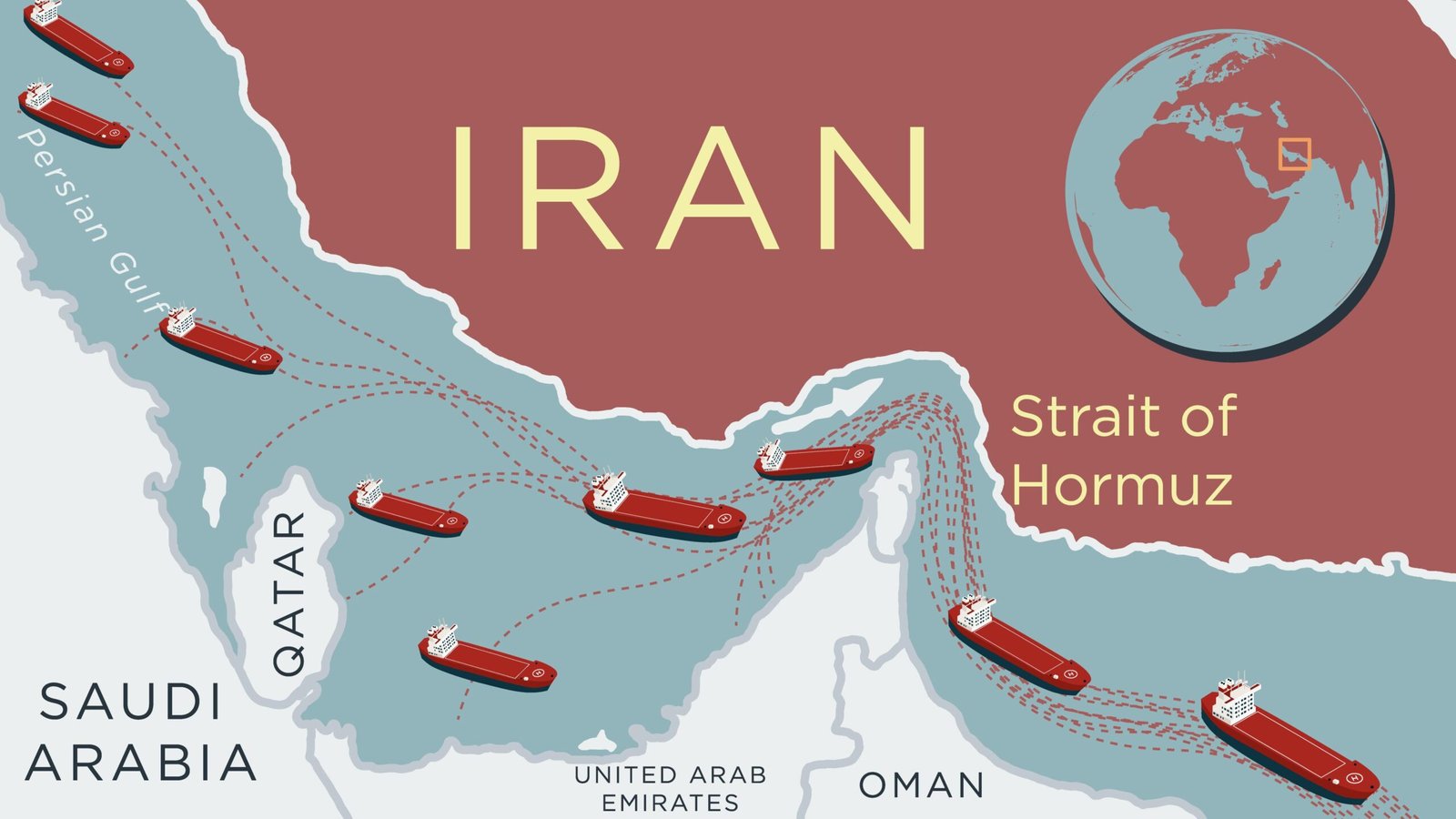
The Strait of Hormuz — a critical shipping route responsible for a significant share of global oil movement — has remained central to market anxieties, with traders closely monitoring diplomatic developments for signs of reopening or reduced military tension.
Reports from international diplomatic channels suggest that discussions between Washington and Tehran have centered on a possible framework involving a temporary ceasefire extension, easing of regional tensions, and broader negotiations over Iran’s nuclear program.
Former U.S. President Donald Trump, speaking on social media, claimed that discussions involving multiple Middle Eastern stakeholders were progressing, with expectations of further announcements as negotiations advance.
Iranian officials, however, have maintained that while progress has been made in discussions, a formal agreement is not imminent, underscoring the fragile and uncertain nature of the talks.
The easing crude prices have already triggered speculation across global energy markets about a possible downward adjustment in refined petroleum product prices if stability is sustained.
In Nigeria, where fuel pricing remains closely tied to global crude benchmarks and exchange rate pressures, petrol prices have climbed significantly in recent months amid supply constraints.

Analysts say a sustained drop in crude prices could ease landing costs for importers and refiners, potentially influencing pump prices if market conditions remain stable.
However, energy experts caution that local pricing dynamics, including refining capacity, logistics, and foreign exchange volatility, could moderate or delay any immediate relief for consumers.
Market watchers will now be tracking whether diplomatic momentum between the United States and Iran translates into a durable agreement capable of stabilizing crude supply routes and sustaining downward pressure on global oil prices.