




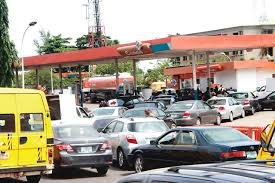
The Dangote petrol price has surged again, reaching N1,275 per litre, as Nigeria’s fuel market continues to experience sharp fluctuations. The latest adjustment highlights the growing instability in the downstream sector, despite expectations that local refining would bring price stability.
Dangote Petroleum Refinery has implemented another increase in its ex-depot price of Premium Motor Spirit (PMS), pushing it to N1,275 per litre.
This latest adjustment represents a notable jump from earlier prices within the same month. It also replaces a previously announced rate issued just hours earlier, signaling rapid and frequent changes in pricing.




In addition to the gantry price, the refinery raised its coastal pricing for bulk supply, reflecting broader cost pressures affecting both domestic and international markets.
The trajectory of the Dangote petrol price throughout March has been steep and continuous. At the start of the month, petrol was sold at N774 per litre. Since then, multiple increases have been recorded in quick succession:

- Early March: Price moved from N774 to N874
- Mid-March: Increased further to N1,050
- Subsequent rise: Climbed to N1,175
- Late March: Adjusted to N1,245
- Latest update: Now at N1,275 per litre
Overall, this represents an increase of over 60% within a few weeks.
Similarly, coastal prices rose significantly, reflecting increases in international product costs and shipping expenses.
Several factors are driving the upward movement in the Dangote petrol price.
Fluctuations in global crude oil prices have had a direct impact on refined product pricing. As international oil markets remain unstable, local prices are influenced accordingly.
Ongoing geopolitical tensions, including disruptions linked to conflicts in oil-producing regions, have affected supply chains. This has increased the cost of sourcing and transporting petroleum products.
Nigeria’s downstream sector now operates under a deregulated framework, meaning prices are largely determined by market forces rather than government control. As a result, refiners adjust prices based on prevailing economic conditions.
The continued rise in petrol prices is expected to have wide-ranging consequences.
An increase in fuel prices typically leads to higher transportation fares. This affects both public and private transport, placing additional financial pressure on citizens.
Fuel is a critical input in the supply chain. As petrol prices increase, the cost of moving goods also rises, leading to higher prices for essential commodities.
Frequent adjustments in fuel pricing contribute to inflation, as businesses pass increased operational costs on to consumers.
The latest Dangote petrol price hike is therefore likely to trigger a ripple effect across multiple sectors of the economy.
Despite rising prices, the refinery is attracting significant interest from other African countries. Nations such as South Africa, Ghana, and Kenya have reportedly made enquiries about sourcing fuel from the facility.
This surge in demand is partly due to disruptions in traditional supply routes, especially from the Middle East. As global supply chains tighten, the Dangote refinery is emerging as a key alternative source of refined petroleum products in Africa.
The rising Dangote petrol price underscores the challenges facing Nigeria’s energy market. While the refinery was expected to stabilize supply and reduce dependence on imports, external factors continue to influence pricing.
However, the development also highlights the country’s growing role in regional energy supply. Increased export potential could position Nigeria as a major fuel hub in Africa.
Looking ahead, fuel prices are likely to remain sensitive to global market conditions. Unless there is a significant stabilization in crude oil prices and supply chains, further adjustments cannot be ruled out.
Stakeholders in the sector may need to adopt strategies to manage volatility, including improving local production efficiency and diversifying supply sources.
For consumers, the focus will remain on how these price changes affect daily living costs and economic stability.