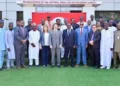
Nigeria has been elected to the United Nations Human Rights Council for the 2027–2029 term after securing 172 votes in a secret ballot at the UN General Assembly, giving the country a new three-year mandate on the international body responsible for promoting and protecting human rights.
The election was conducted on Tuesday, October 13, 2026, with Nigeria receiving 172 of the 181 votes recorded, according to a statement issued by the Federal Government on Wednesday.
The Ministry of Foreign Affairs announced the result in a statement signed by its spokesperson, Oluwafemi Adeniyi, describing the election as a reflection of international confidence in Nigeria’s commitment to advancing human rights globally.



Nigeria was elected alongside 14 other countries to serve on the 47-member council from January 1, 2027, to December 31, 2029.
The other successful candidates are Brazil, Burundi, the Dominican Republic, Germany, Ghana, Ireland, Japan, Jordan, Kuwait, Nepal, the Republic of Moldova, Ukraine, Uruguay and Zambia.
In its reaction, the Federal Government thanked UN member states for supporting Nigeria’s candidature and pledged to work with other council members to advance the body’s mandate.
“Nigeria reaffirms its commitment to sustaining dialogue, cooperation and mutual respect with Member States, and looks forward to working closely with Council Members in advancing the mandate of the Council and strengthening international efforts towards the promotion and protection of human rights,” the statement said.
The government also reiterated its commitment to multilateral engagement and initiatives that uphold human dignity, justice and fundamental freedoms.

Established in 2006, the UN Human Rights Council is responsible for promoting universal respect for human rights and addressing violations wherever they occur. Its work includes reviewing countries’ human rights records, examining alleged abuses and making recommendations to governments.
The council has 47 member states elected by the General Assembly through secret ballots, with seats allocated among five regional groups to reflect geographical representation. Members serve three-year terms.
Nigeria’s election comes as the country continues to face scrutiny over human rights concerns, including allegations of abuses by security personnel, accountability for violations and the protection of civil liberties.
The country’s membership will therefore carry responsibilities beyond diplomatic representation. As a council member, Nigeria will participate in deliberations on international human rights issues while being expected to demonstrate commitment to the principles the body promotes.
The election process has also attracted criticism from human rights advocates. Rights organisations have raised concerns about the competitiveness of the election, noting that regional groups nominated exactly as many candidates as there were available seats. The arrangement meant the candidates faced no competition for the positions allocated to their respective regions.
For Nigeria, the new mandate offers an opportunity to participate more directly in international discussions on human rights protection, accountability and cooperation among governments.
The Ministry of Foreign Affairs said Nigeria looked forward to working with other members to strengthen international efforts to protect fundamental freedoms.
Nigeria’s three-year term is scheduled to begin on January 1, 2027, when the newly elected members assume their positions on the council.