Nigerian parents living in the United Kingdom risk losing custody of their Children parenting in british practices that violate British child protection regulations, social work professionals have warned.
The professionals, operating under the Association of Nigerian Social Workers in the UK, called for increased awareness, early intervention and support for Nigerian families struggling to understand the country’s child safeguarding framework.
They also urged the Nigeria High Commission in the UK to collaborate with the association to protect Nigerian children and help parents navigate the British child protection system.

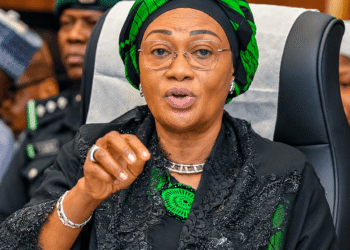
The association’s President, Barizoge Neenwi, made the appeal in an interview with Diaspora Tales, saying many Nigerian families needed professional guidance to understand cultural differences and parenting expectations in the UK.
Neenwi explained that some Nigerian parents, particularly those working multiple jobs to meet financial demands, might not understand how social care services could support families facing difficulties.
According to her, social workers can provide guidance, empowerment and advocacy before family challenges escalate into situations that could threaten parental custody.
“They need to be educated, enlightened, and supported, and early intervention is the key. We have different Nigerians with different backgrounds, knowledge, expertise that can really work with our Nigerian High Commission to support our people,” she said.
She urged the Nigerian diplomatic mission to work with qualified social workers to provide assistance to citizens facing child protection concerns.
“They need the support of the Nigerian High Commission to step in to protect, safeguard or intervene for their citizens,” Neenwi added.
The association’s Secretary-General, Kemi Aare, identified corporal punishment as one of the practices that could expose Nigerian parents and guardians to intervention by British authorities.
She explained that physical punishment resulting in injury or raising safeguarding concerns could be treated as physical abuse under the UK’s child protection framework.
“In the United Kingdom, physical punishment that causes injury or raises safeguarding concerns can be regarded as physical abuse and may lead to intervention from children’s services,” Aare said.
She noted that many Nigerian families who migrated to Britain were still adjusting to differences in cultural expectations, parenting practices and child protection regulations.
“What may be considered normal parenting practice in one country can sometimes be interpreted differently under UK legislation and safeguarding expectations,” she stated.
Aare also identified domestic conflicts, parental stress, mental health challenges, housing difficulties and inadequate family or community support networks as factors that could contribute to child protection concerns.
However, she stressed that the UK’s child protection system was primarily designed to safeguard children while providing support to families.
According to her, removing children from their parents is generally considered a last resort when authorities believe there is a significant risk of harm and other intervention options have been exhausted.
“The removal of a child is generally considered a last resort when professionals believe there is a significant risk of harm and all other options have been explored,” she added.
Cases involving Nigerian families and British child protection authorities have previously attracted public attention.
In January 2025, a Nigerian mother living in Durham, England, appealed to the Nigerian government after social services took her children into care following allegations reportedly made by her daughter against her husband.

The woman claimed that her husband was arrested on December 3, 2024, after their daughter made a disclosure to school authorities.
She said that although the girl subsequently withdrew the allegation, social services removed the children on December 12.
The mother subsequently appealed to the Nigerian High Commission and the Federal Government for intervention.
The Association of Nigerian Social Workers in the UK comprises qualified professionals committed to supporting Nigerians in Britain while promoting professional standards, family welfare and child safeguarding.
The association said stronger collaboration with Nigerian diplomatic authorities and community organisations would help families understand their responsibilities, access available support services and prevent avoidable family separations.