




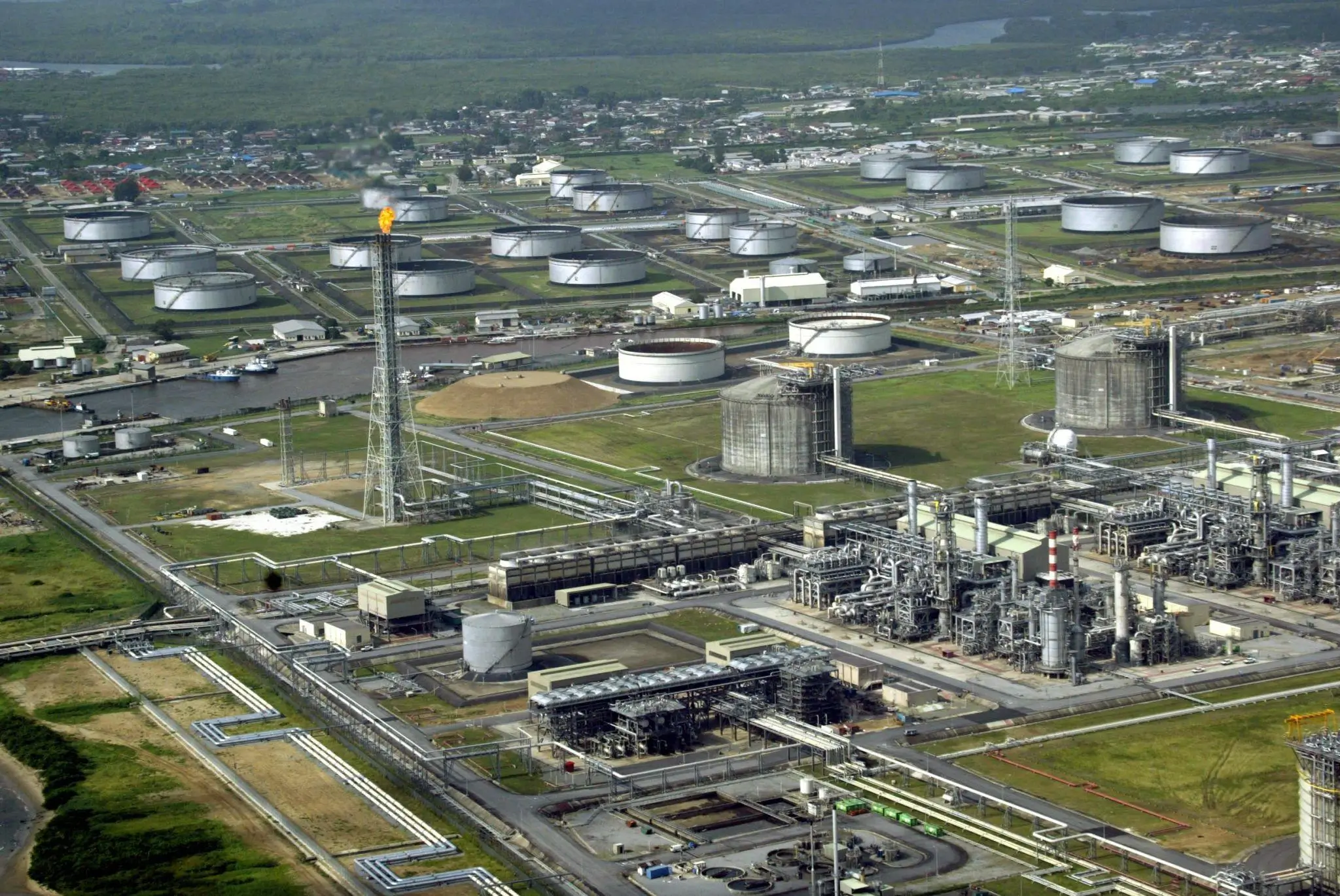
The Nigerian National Petroleum Company (NNPC) recorded ₦2.68 trillion in revenue from its February 2026 operations despite a drop in crude oil output, underscoring the state oil firm’s continued importance to government finances amid persistent production challenges.
According to the company’s latest monthly operational report, revenue rose by 4.2 per cent from ₦2.57 trillion posted in January to ₦2.68 trillion in February.
However, profit after tax fell sharply by 64.67 per cent to ₦136 billion, down from ₦385 billion in the previous month, reflecting the impact of lower production volumes and increased statutory remittances to the Federation.




The report showed that statutory payments to the Federal Government surged to ₦1.804 trillion in February from ₦726 billion in January following the presidential directive removing the 30 per cent retention on oil and gas profits.
This pushed remittances up by 148.48 per cent and significantly weighed on the company’s bottom line.
Operationally, crude oil and condensate production declined from 1.64 million barrels per day in January to 1.51 million barrels per day in February, a development linked to outages on key evacuation infrastructure and upstream operational setbacks.
A breakdown of the figures showed that crude oil output accounted for 1.27 million barrels per day, while condensate production contributed 0.24 million barrels per day.
NNPC attributed the decline to the outage of the Trans Forcados Pipeline caused by integrity issues, start-up constraints at the Agbami field after maintenance, delays at the Sterling Oguali flow station, and production ramp-up challenges at the Enyie wells.

Despite the oil output decline, gas production remained resilient, rising to 7,458 million standard cubic feet per day, one of the strongest performances recorded in recent months.
On infrastructure delivery, the company said the Ajaokuta-Kaduna-Kano gas pipeline project had reached 93 per cent completion, while the Obiafu-Obrikom-Oben pipeline stood at 96 per cent.
Industry analysts say the strong revenue performance, despite lower production, highlights NNPC’s critical fiscal role at a time when the Federal Government continues to rely heavily on oil receipts to support budgetary obligations and foreign exchange stability.
The latest figures also reinforce concerns over Nigeria’s struggle to consistently meet production targets due to pipeline vandalism, crude theft, ageing infrastructure, and delayed upstream investments.